The storied country that is Egypt is looking to forge a path for itself into the world of clean energy. Egypt has spent years struggling with power shortages, and so now it’s looking to a resource that is abundant in this part of the world.
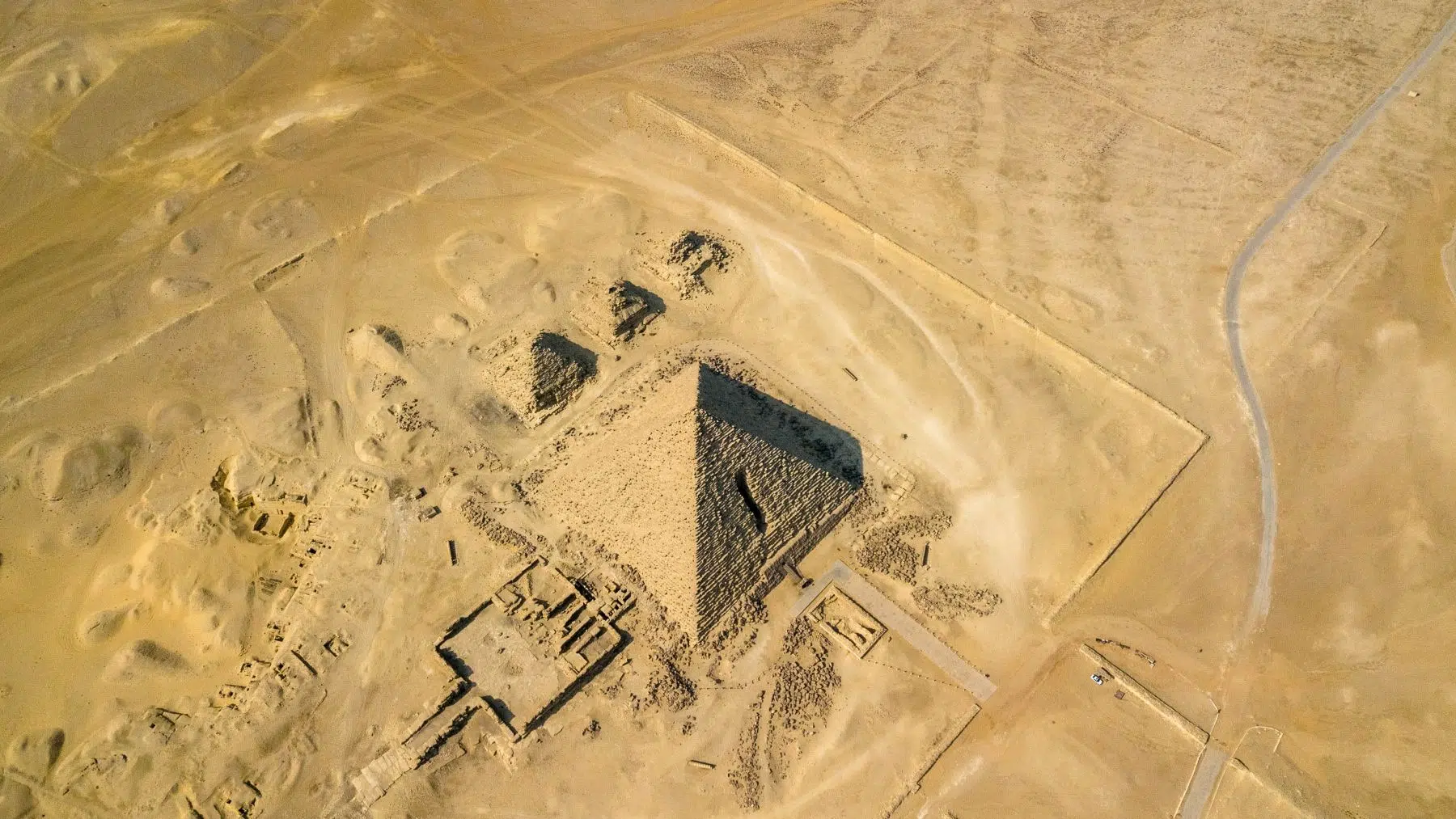
Egypt might be best known for its pyramids, but developments in clean energy could change that
Fuel costs and a troubled infrastructure have plagued Egypt for some time and something has to be done. This country has grown tired of relying on imported energy. So, the conversation has turned to renewable energy, and fortunately, Egypt has a source right under its nose.
It’s unclear why the move to solar energy has taken so long to achieve in a place as rife with sunlight as Egypt, but the discussion is now in full swing. Several solar energy factories are expected to enter service in the first quarter of 2026, with construction of the first major complex having begun this month. Solar panels will be built in Egypt, which is a big move.
What Egypt’s turn to solar power could mean for this country
The country normally imports solar panels, so this is a step in the right direction. The costs of doing so have been exorbitant. Building panels at home chops a big slice out of that expense and gives Egypt control over its own supply instead of waiting for someone else’s production cycle.
This will also help address the gaping holes in Egypt’s national grid. The rising demand and growing population have put a lot of strain on the grid. Alternative sources of power would do well in helping to alleviate that problem.
Egypt received a major cash injection to help bring its solar energy dream to life
This momentum has been established thanks to a large cash injection. A multinational consortium is putting down around $220 million to build a solar PV and an energy-storage line inside the country. That is a large amount of money, which would only have been invested if there was something profitable to be gained.
Egypt’s desert provides this, as the sunlight and heat it has are free. The land offers a lot of space, which sees a solar energy project make a lot of sense to establish there. If there’s any place where a massive solar energy project could flourish, it’s Egypt.
Using the sun for solar power is one thing, but Egypt will also have to consider storage
Catching sunlight is important, but storage matters just as much. Storage makes solar power more reliable and loses that reliability without it. These capabilities help provide the grid with power even when the sun is down or hidden. Egypt is in desperate need of that kind of stability. If these factories do what officials expect them to, Egypt will become one of the few African nations producing both solar panels and storage solutions at a real industrial scale.
That’s not only an energy breakthrough. It’s a jobs boost, a skills pipeline, and an economic lifeline. Workers get trained and local companies get pulled into the supply chain. The money generated circulates inside the country instead of leaking out to foreign suppliers. The idea that developing countries need coal because it’s cheap and simple can then also start to be done away with.
Egypt will show that a developing nation with a strained grid and growing population can still opt for the clean road, and this solar power energy outlook is sure to help in doing that. Solar costs more up front, but the pollution is done away with. Egypt has made the sensible choice, and this should pay off as time goes by.
Disclaimer: Our coverage of events affecting companies is purely informative and descriptive. Under no circumstances does it seek to promote an opinion or create a trend, nor can it be taken as investment advice or a recommendation of any kind.
Read the whole thing?
Get the week's signal, not the noise
Our sharpest reporting on energy, climate and nature — free, once a week.