Europe is one of the global continents that recognises the importance of executing renewable energy and this time around it has come up with a groundbreaking development of placing tidal turbines under the ocean. Additionally, because Europe has been in a position to develop various renewable energy sources, it understands this assignment as one that could be a step ahead into reducing fossil fuels and perhaps set an example to other nations and continents to follow suit. France is a country with a good coastline and one of its commercial-scale tidal projects, NH1, is set to supply consistent energy to locals.
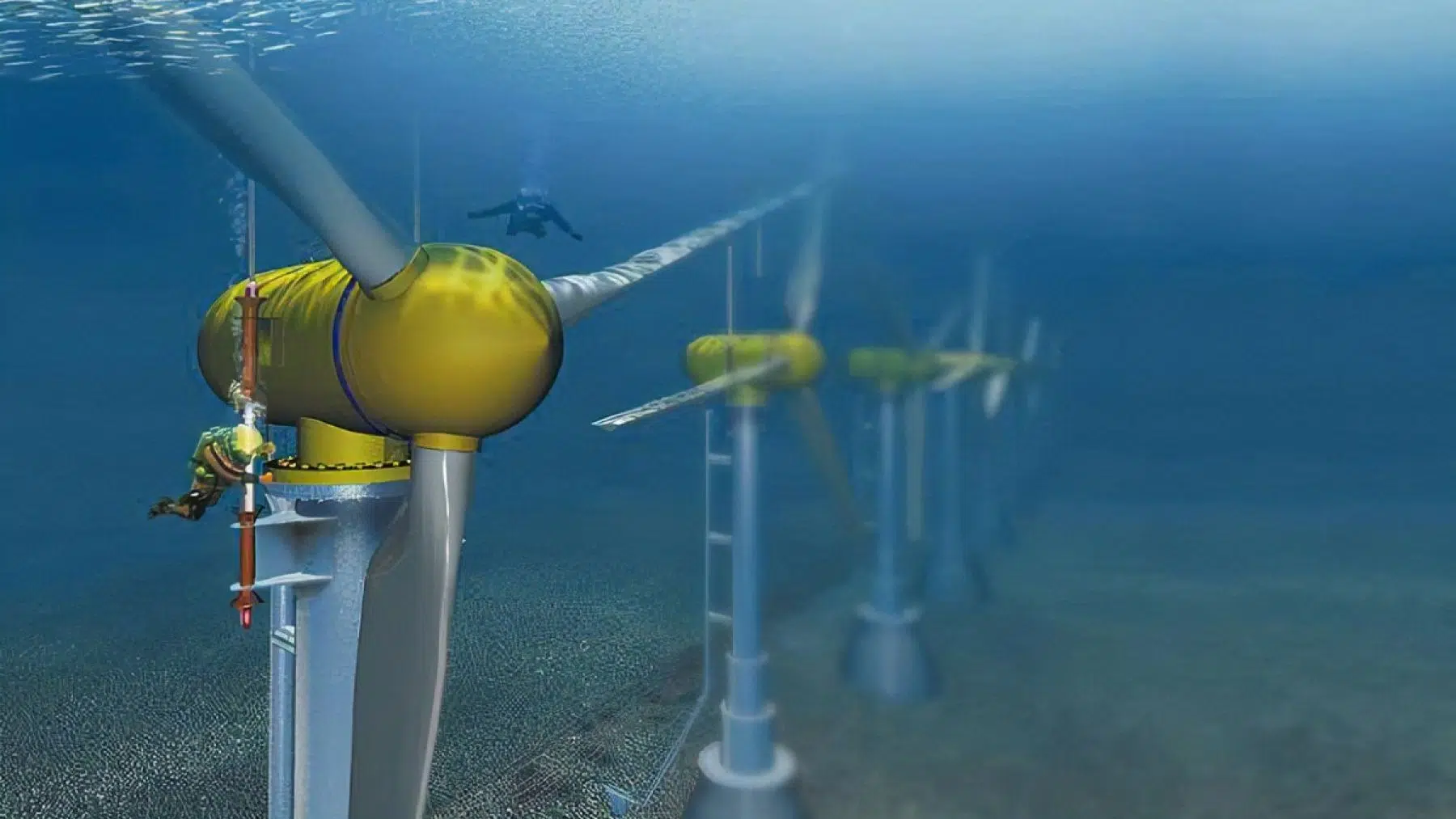
The NH1 tidal project is designed by engineers in a way that it has four turbines that operate in a consistent circular motion to generate power. This tidal energy project in the English Channel is meant to reduce negative environmental impacts for local communities. Although concerns about marine life have been raised, the steering committee of the project has promised that marine life is not in danger.
Europe’s tidal energy performance has exceeded expectations and predictions
When Normandie Hydroliennes, a French company that focuses on developing renewable resources, came up with this idea, there were challenges to consider, such as the implications this project would have on the marine ecosystems and the durability of the tidal turbines, considering that water does play a role in depreciating things, causing decay and rust, which is also unhealthy for marine life.
However, after much observation and analysis, experts found out that the turbines are efficient, the materials used will not depreciate quickly, and they generate efficient power too. If we are to compare the power generated by wind and water, water carries a magnitude of power that effortlessly allows the tidal turbines to continuously operate.
The potential energy generation by the Normandy tidal farm
According to Euronews, NH states that the Raz Blanchard Channel sea current is among the strongest in the world. It could generate 15 to 18 terawatt hours (TWh) with a development potential of roughly 5 to 6 gigawatts (GW), providing electricity to 8 million people. It is so powerful that it has stimulated regions in coastal areas to evaluate whether or not they can utilise the same method.
The inevitable concerns regarding the environmental impact of underwater turbines
The marine ecosystem is the main concern, and according to Euronews, NH installed the tidal turbines 38 meters in-depth and experts confirmed that they ensured nothing happens to marine life. That is also another unexpected result because it was a pleasant surprise to see the installation operate to its fullest potential and not harm the inhabitants underwater.
Studies have shown that fish and other marine creatures have returned to the project infrastructure and locations. The MeyGen project off the coast of Scotland expressed that these structures serve as a space for settlement for some of these marine creatures. There are long-term effects still associated with this project, such as vibrations and noise affecting the marine ecosystem; there is no doubt about that.
Can we settle on underwater tidal power to bring the future of renewable energy?
Despite the challenges mentioned, this project has stimulated some interest in Europe and beyond it, especially regions close to coastlines. Several nations are now placing this idea in their renewable energy plans for the future. Due to the unexpected positive results that have been perceived by these tidal turbines to generate efficient electricity, to answer if we can settle on underwater tidal power, I think it is very possible and effective. Additionally, it is anticipated that the project will reduce greenhouse gas emissions by 57,878 tonnes of CO2 equivalent, as reported by Euronews.
Read the whole thing?
Get the week's signal, not the noise
Our sharpest reporting on energy, climate and nature — free, once a week.