We’ve always assumed one thing about our cars: if we have the keys, we decide when they start. Now, we may have to give up on that.
Federal regulators are pushing new rules that would require vehicles to check you before turning on using a built-in sensor.
It’s part of a broader crackdown on dangerous driving across the United States. If approved, your next car could make decisions you didn’t expect.
NHTSA takes over: That may or may not be good
When it comes to traffic safety in the U.S. right now, the National Highway Traffic Safety Administration (NHTSA) isn’t just talking, it’s acting. Some of those actions are stirring mixed reactions among both us drivers and automakers.
This year, the NHTSA has stepped up its oversight in several areas that hit real people on the road.
For starters, the agency opened a high-profile investigation into nearly 2.9 million vehicles equipped with self-driving tech. Reports of crashes and dangerous behavior tied to automated systems involved things like running red lights and unsafe lane changes. Hence, federal scrutiny.
At the same time, the NHTSA is demanding recalls and safety probes into vehicles with defective parts like airbags and transmissions, putting pressure on manufacturers to fix issues.
Some new rules are lagging. An example is the advanced safety tech in the 5-Star vehicle ratings program, which is being pushed back to give automakers more time to comply. The message is clear: regulators are forcing changes that we as drivers will feel in real life.
The authorities’ patience has run out: No alcohol, no speeding
Authorities’ patience with risky behavior on U.S. roads is wearing thin, and the message is that dangerous driving will be cracked down on with cutting-edge technology.
There’s a growing push to clamp down on some forms of dangerous driving by integrating detection tech into vehicles. Sensors will prevent a car from starting if the driver is detected as contravening a broader safety effort mandated by the 2021 Infrastructure Investment and Jobs Act.
The trend is unmistakable: regulators are pushing drivers harder than ever. And with new measures on the table, such as the integration of AI, authorities are signaling that the era of lax enforcement may soon be over.
You will no longer decide whether to drive. A sensor will
This is the moment where the car stops trusting you. If you are detected as being intoxicated under alcohol impairment, your car simply won’t let you start it.
Under the Bipartisan Infrastructure Law, Congress directed the NHTSA (NHTSA) to establish a federal safety standard requiring new vehicles to include advanced, passive anti–drunk driving technology.
Not an optional add-on. Not a voluntary feature. A requirement.
The idea is simple — and controversial.
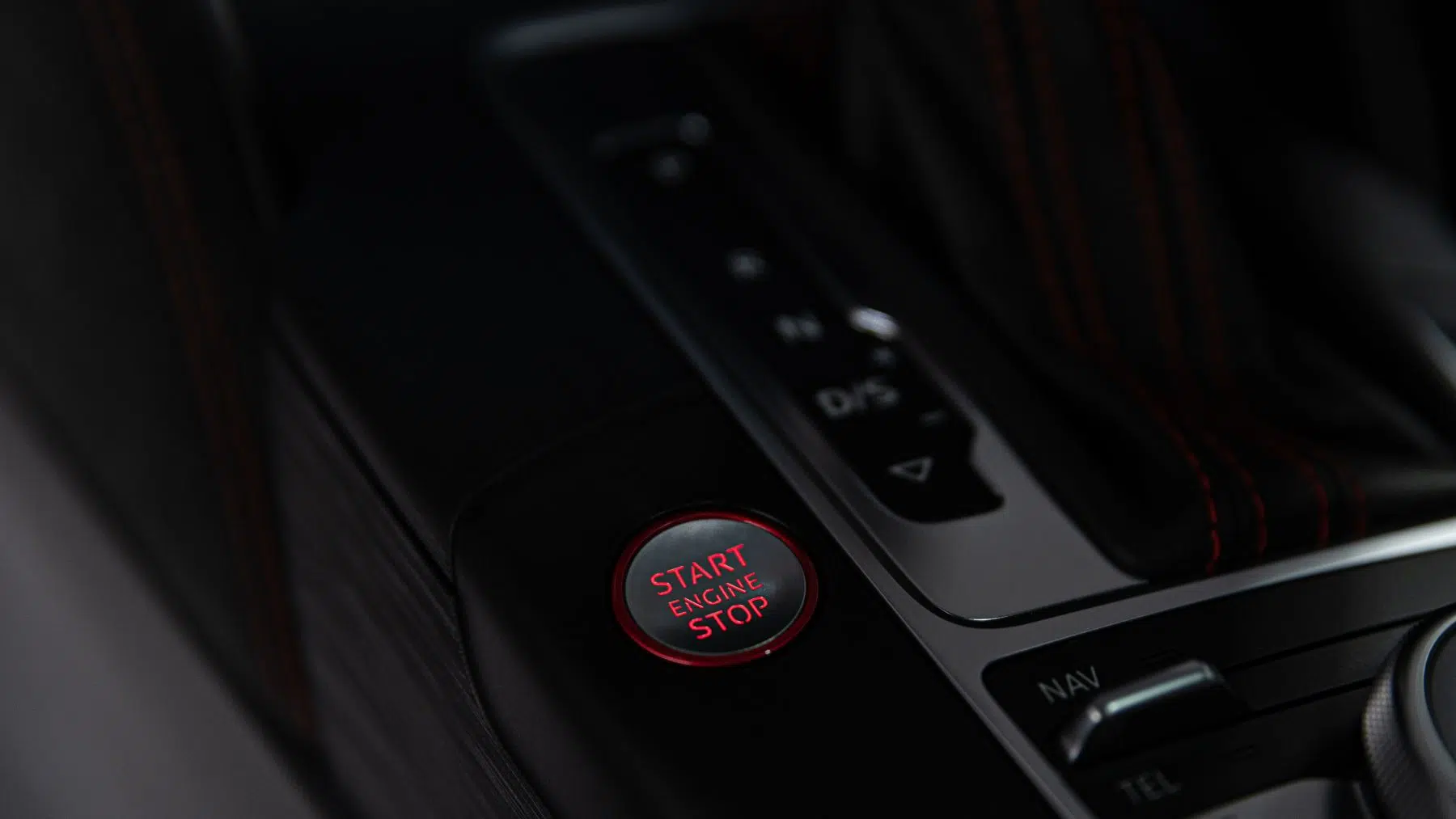
Before your car fully starts, it could automatically assess whether you’re impaired. The technology under development is designed to detect alcohol levels without requiring you to blow into a device. Researchers are testing systems that use breath-based sensors embedded in the cabin or touch-based sensors in the steering wheel or start button.
You sit down, you press start, and the car checks you
You need to be clear about something. If impairment is detected above the legal limit, you’re not going anywhere.
The goal? Reduce the thousands of alcohol-related traffic deaths recorded each year in the United States.
If implemented, the requirement could begin appearing in new vehicles later this decade.
It’s being framed as a public safety breakthrough, but it also marks a shift in control, because soon, starting your car might not be entirely your decision anymore.
If these rules move forward, that moment could include a silent check you never asked for. The goal is clear — more safety. But the shift is bigger than enforcement. It’s about redefining who controls the ignition.
Safety may increase, but autonomy may feel different. The next time you want to control your vehicle, the decision might not be yours alone.
Read the whole thing?
Get the week's signal, not the noise
Our sharpest reporting on energy, climate and nature — free, once a week.