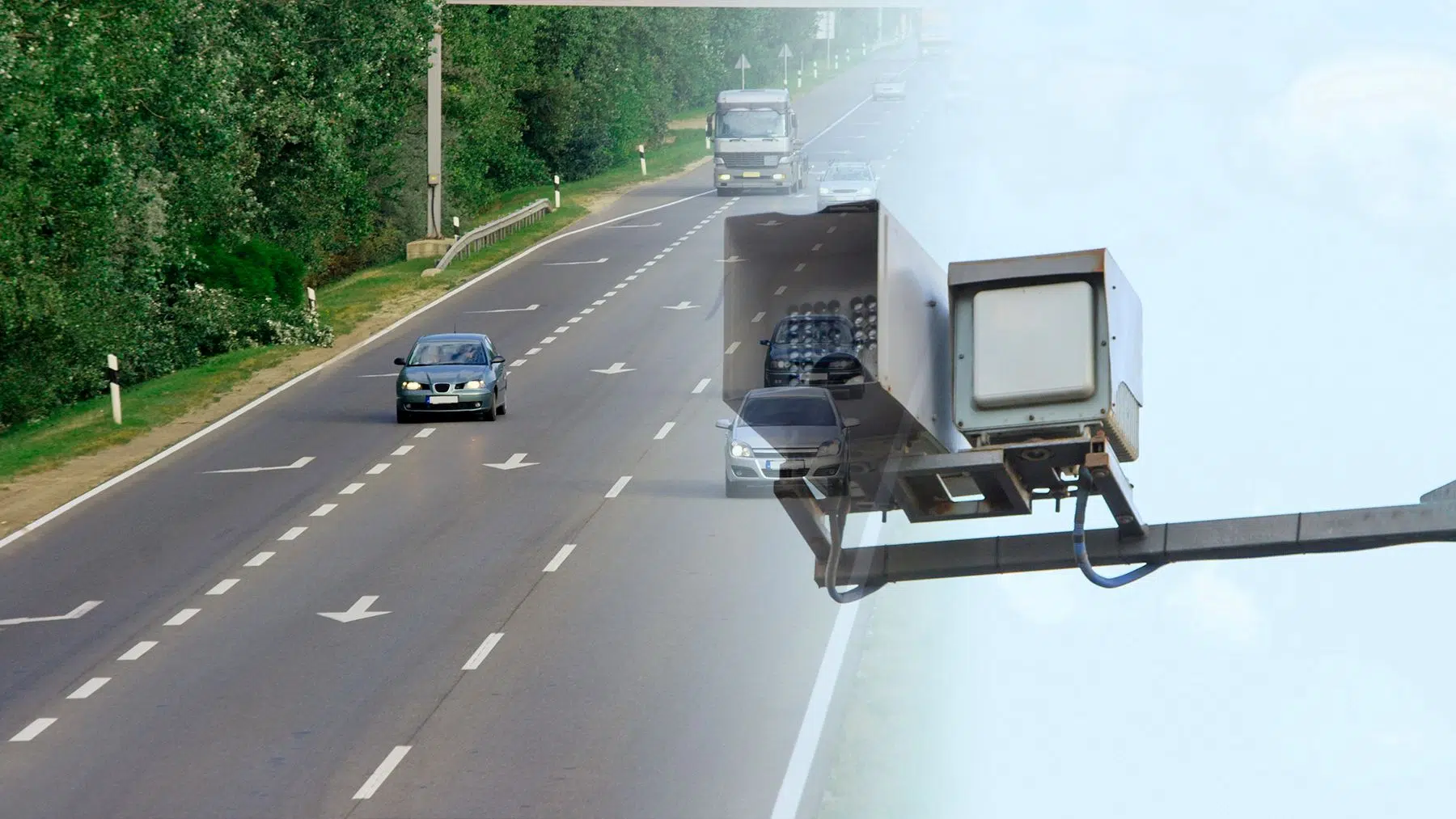
Highway speeding has always walked a fine line between enforcement and efficiency — until now. For years, states have debated whether radar guns and patrol units are sufficient to deter dangerous driving. But with construction zones growing and work crews increasingly vulnerable, some states are turning to automation. The idea isn’t new, but the deployment on major highways marks a significant shift in strategy. Technology will assist more in the future, but for now, cameras will do the work.
Cameras help with traffic management
Traditional enforcement often struggles to keep pace with fast-moving traffic, especially in zones where reduced speed limits are temporary but critical. That’s where cameras come in — not just to catch speeders, but to create a culture of accountability through visibility. Proponents argue that it’s not about ticket quotas — it’s about protecting workers who stand just feet away from vehicles traveling at speeds of up to 70 mph through active work areas.
Now, one state is putting that approach into motion — quite literally. With new cameras rolling across interstates and construction corridors, the goal is clear: slow drivers down, save lives, and do it without flashing lights or traffic stops.
Colorado highways won’t be the same anymore
Beginning in 2025, Colorado will activate speed enforcement cameras across its highways and interstates, a move made possible by legislation passed in 2023. The first cameras have been installed along Highway 119—known locally as the “Diagonal Highway”—between Boulder and Longmont, where road construction is currently underway.
The Colorado Department of Transportation (CDOT) and Colorado State Patrol (CSP) began deploying a mix of fixed and mobile speed cameras along the stretch as part of an initial test phase, announced Monday. Drivers will go through a 30-day warning period before actual fines are enforced.
Sally Chafee, CDOT’s acting director and chief of staff, explained that the move comes in response to a troubling increase in speeding and collisions within construction zones—areas where conventional enforcement is often impractical. She reiterated that speed limits are legally binding, not mere suggestions.
Drivers will see an alert before entering a speed limit zone
The new system is part of the Colorado Speed Enforcement Program. The law permits the use of automated enforcement technology, provided that drivers are alerted with a sign placed at least 300 feet before the monitored area. This allows cameras and connected systems to identify and ticket vehicles exceeding the speed limit, especially in work zones.
The system along Highway 119 uses two sets of cameras. When a vehicle passes the first set, a timer starts; the second set records when the vehicle exits the monitored segment. This method calculates the driver’s average speed. Any vehicle found traveling at 10 miles per hour or more above the posted limit will receive a ticket once the 30-day warning period ends.
CDOT and CSP emphasized that construction areas are the primary focus for enforcement. Given that some of these zones lack proper shoulders, they are unsafe for officers to patrol directly. Installing automated cameras with night visibility helps maintain law enforcement presence without putting troopers at risk.
Professional insights
According to CSP’s Capt. Shane Scovel, internal data indicates that more than 60% of drivers are speeding in construction zones, with around 11% going at least 10 miles per hour over the speed limit. Heather Paddock, CDOT’s Region 4 director, added that construction workers are on-site daily, delivering critical infrastructure improvements, and speeding drivers endanger not only themselves but everyone else on the road. During the 30-day warning window, drivers will receive one warning if caught speeding over the threshold. A second violation during that period will trigger a formal $75 citation- it will not affect driver’s license points.
Read the whole thing?
Get the week's signal, not the noise
Our sharpest reporting on energy, climate and nature — free, once a week.