America usually worries about things you can point at. Prices going up, conflicts on TV, numbers on a screen. If something is dangerous, it normally comes with noise, experts arguing, and endless headlines.
This time, it’s different. The threat doesn’t shout. It doesn’t trend. Most people don’t even realize it’s there. You can walk right into it, breathe it in, and still think everything is fine. And that’s exactly why it works so well.
A problem hiding behind normal days
Nothing feels unusual at first. Life goes on. People leave their homes, follow their routines, and trust that things will behave the way they always do.
That’s when small assumptions become dangerous. When we believe normal equals safe, we stop paying attention. The biggest risks often appear when everything feels ordinary.
By the time something feels wrong, it’s usually already happening.
When danger doesn’t look like danger
There’s no explosion. No sudden warning. No dramatic moment that tells you to stop. The environment looks calm, almost boring.
But under the surface, something is changing. Surfaces become unreliable. Grip disappears. Control slowly fades, not because of speed or recklessness, but because the rules quietly changed without notice.
This is the kind of danger that tricks even careful people.
Why the smallest changes matter most
Some threats don’t need chaos to cause damage. They only need a small shift in conditions. A few degrees. A bit of moisture. A short moment of inattention.
Once that balance is lost, consequences spread fast. One mistake turns into many. And because no one saw it coming, everyone reacts too late.
The most frustrating part is that it all looks avoidable—after the fact.
What’s actually happening in parts of Pennsylvania
Only now does the full picture appear. In parts of Pennsylvania, officials have issued warnings about freezing fog, a rare and often misunderstood phenomenon.
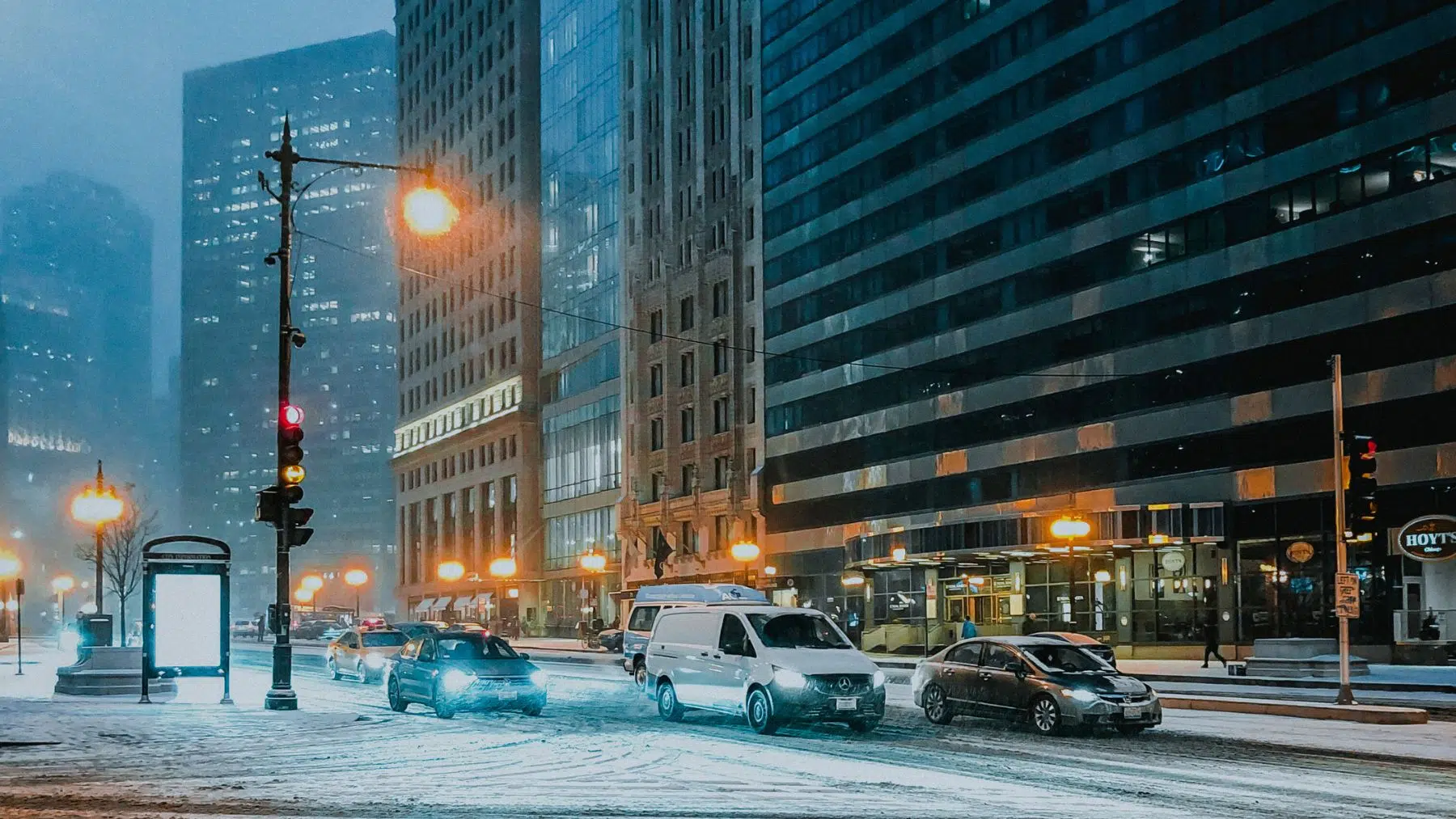
This isn’t normal fog. Tiny water droplets in the air freeze instantly when they touch cold surfaces. Roads can look wet but behave like ice. Bridges and overpasses become silent traps. Cars suddenly slide without warning.
It’s happening during winter, and it’s putting drivers in serious danger—even those doing everything right.
More than just a driving issue
The danger doesn’t stop at roads. When freezing fog lingers, trees, power lines, and buildings slowly collect ice. The weight adds up. Branches break. Power lines fall. Power outages follow.
Even air travel isn’t immune. Thin layers of ice can form on planes, forcing delays or cancellations.
All of this starts with something that feels harmless. Just air. Just fog.
The risk people don’t see coming
Freezing fog doesn’t scare people because they don’t know it exists. And you can’t prepare for a danger you don’t recognize.
The warning in Pennsylvania is a reminder that the most serious threats aren’t always loud or obvious. Sometimes they don’t come from politics or economics.
Sometimes, the biggest danger is simply in the air.
Read the whole thing?
Get the week's signal, not the noise
Our sharpest reporting on energy, climate and nature — free, once a week.