Social Media as a platform for ordinary individuals to share practical DIY (Do It Yourself) projects is growing rapidly. Ordinary DIY, home renovation, energy upgrade, and other types of DIY projects now have millions of views, making ordinary DIY projects go viral. Short-form videos, in particular, have been successful in creating interest in how things are made and how people can save money in the long term by reducing their energy consumption.
Energy independence has been one of the biggest topics that has resonated online
With increasing concern about the environment, combined with rising electricity prices, many homeowners are seeking alternative ways to generate their own electricity. TikTok has helped to de-mystify some of the alternatives by providing examples of people installing energy-generating equipment on their own homes.
One of the most successful videos in this area is those that start with something that may look like a risky situation. For example, a person could be seen drilling into the roof of their house. To someone who is familiar with roofs, there is likely to be an immediate thought that the roof is going to leak. However, these situations very rarely represent a problem; instead, they are the beginning of an explanation of a longer-term benefit of the decision to install the equipment.
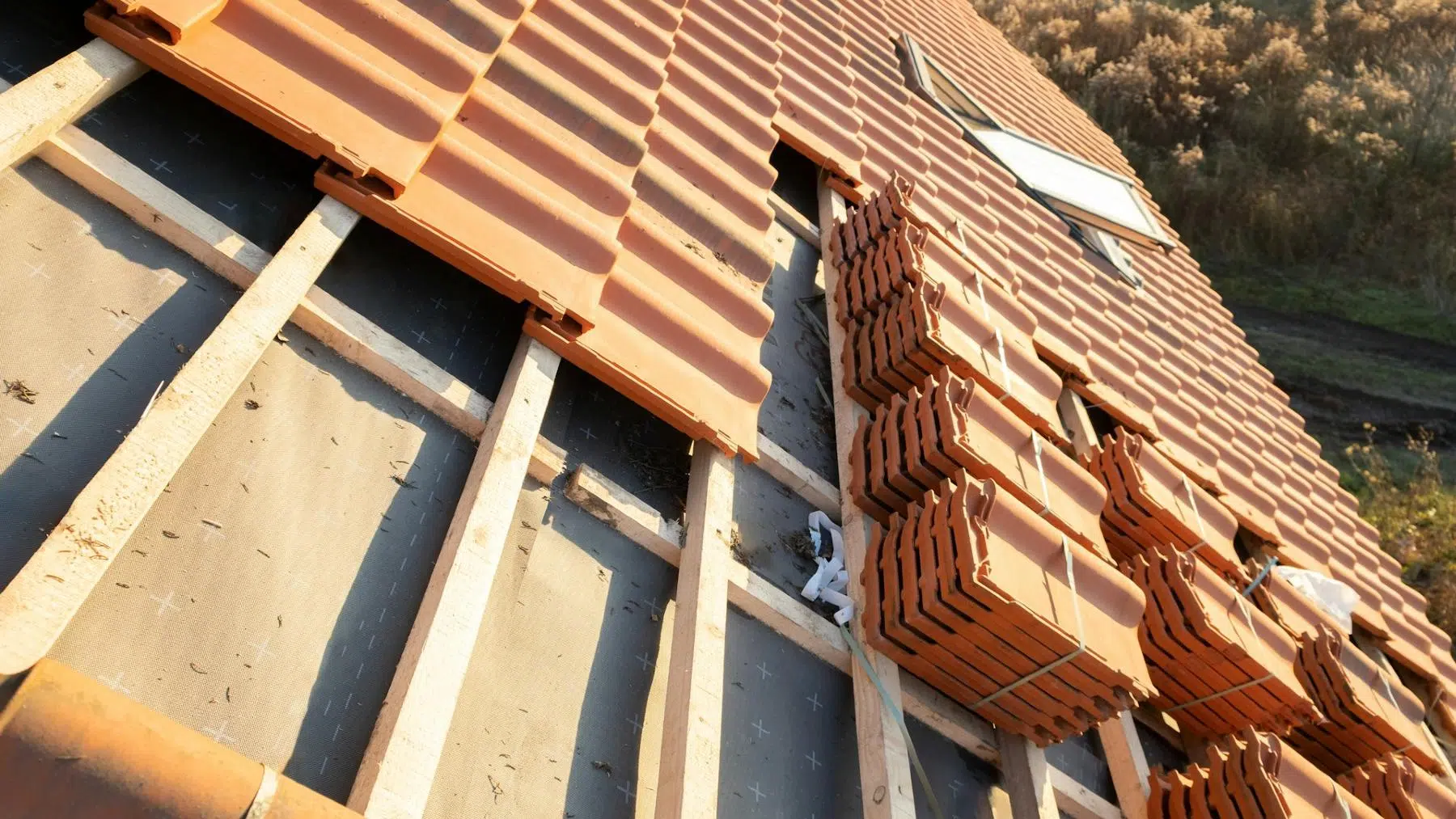
This was the case when TikTok user (@kaloos101) posted a short-form video of himself drilling into a roof tile as part of a DIY home improvement project. The video quickly went viral, with many users expressing shock at why anyone would intentionally drill into their own roof. However, after watching the entire video, it became apparent that the video showed the homeowner drilling into his roof to secure a rooftop solar installation. This would produce electricity for decades.
What does “free 30-year energy” really mean?
@kaloos101 is described on his TikTok account as a “hands-on” content creator who shares DIY home improvement and energy-related projects. Unlike many DIY creators, he shares videos of real DIY projects, as opposed to polished demonstrations.
He also shows every single step of the process from planning to completion. When he drills into the roof tile, he is doing so to ensure that his solar panel brackets are securely mounted to the roof structure, which is a common practice when installing a rooftop solar system.
When @kaloos101 refers to “free 30-year energy” in the video, he does not mean to say that he will receive free electricity forever. Instead, he is referring to the estimated length of time that his solar panels will last. Modern solar panels are generally rated to last between 25 and 30 years. Most solar panels come with a warranty that covers their performance for approximately 25 years, during which time the manufacturer estimates that the panel should retain approximately 80% of its original power production.
Many panels continue to produce electricity well past this time frame
In practical terms, once the upfront installation cost is recouped, the electricity generated by the panels for the remainder of their lifespan can feel “free” to the homeowner. Therefore, the drilling shown in the video is an investment to allow for decades of energy generation, as opposed to an act of destruction.
Precision is a requirement to get the best out of your system
By documenting the unfiltered reality of the installation, @kaloos101 provides a detailed explanation of the importance of precision in performing an installation such as this and how this work ultimately results in long-term savings and energy independence.
As more content creators provide documentation of DIY projects similar to the one documented by @kaloos101, the concept of producing household electricity for 30 years is no longer an abstract idea. What begins with a drill and a roof tile ends with decades of lower utility bills and reduced dependence upon the electrical grid. This, in turn, gives us a greater understanding of how renewable energy works within our homes.
Disclaimer: Our coverage of events affecting companies is purely informative and descriptive. Under no circumstances does it seek to promote an opinion or create a trend, nor can it be taken as investment advice or a recommendation of any kind.
Read the whole thing?
Get the week's signal, not the noise
Our sharpest reporting on energy, climate and nature — free, once a week.