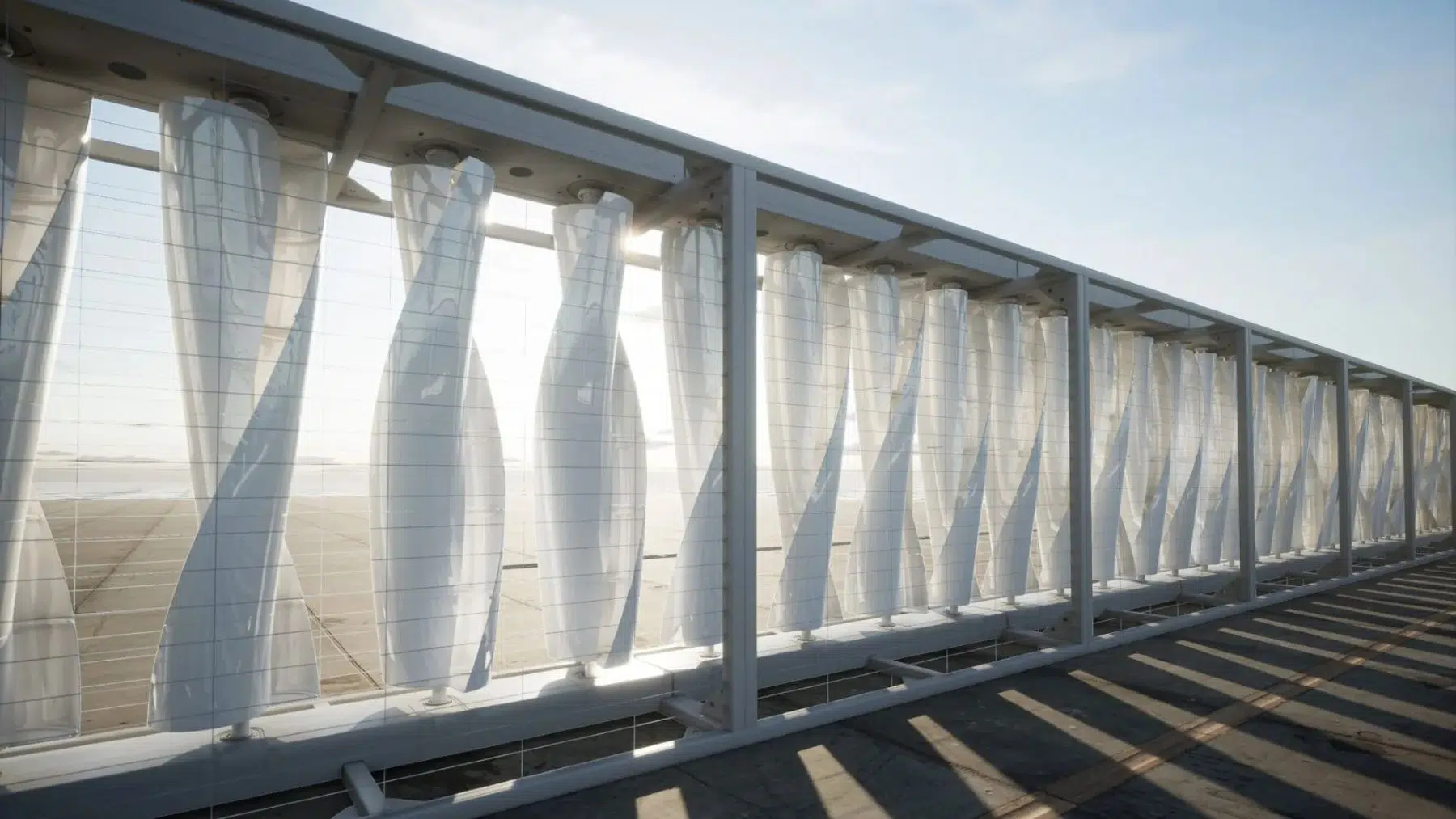
The wind is one of the best sources of energy nowadays, and you can have a couple of turbines just outside your house with the creation of a wind fence. Renewable energy sources are more evident than ever. The need to find new ways to power our houses, buildings, and electric cars is growing, but the technology is also helping with this. Energy cannot only be extracted from oil, solar panels, hydroelectric facilities, but also from the air we breathe – not oxygen, but the power in which it travels through the Earth and covers the whole planet.
Wind as a source of energy
Wind turbines might look simple at a glance, with their tall frames and slow-spinning blades, but a lot is going on behind the scenes. These machines take the wind’s natural movement — its kinetic energy — and turn it into electricity that powers everything from homes to entire neighborhoods. The steadier and powerful the wind, the more energy a turbine can generate.
In an hour, a single large wind turbine can generate enough electricity to power an average home for an entire day. Data from the NRDC in 2024 reveals that one commercial wind turbine can supply electricity to nearly 1,000 homes, each consuming around 893 kilowatt-hours a month. Now, the power of the wind doesn’t have to be only in the turbine, as this company unveiled its wind fence.
Wind fence
Helical wind turbines aren’t new, but Airiva brings a fresh twist to the design. Joe Doucet, the company’s co-founder and lead designer, explains that the team spent a lot of time perfecting the spacing between each helix. This careful arrangement helps multiple turbines work together efficiently, boosting their combined energy output when placed side by side. When arranged correctly, a single unit — consisting of one frame with eight helical turbines — can generate approximately 2,200 kilowatt-hours per year.
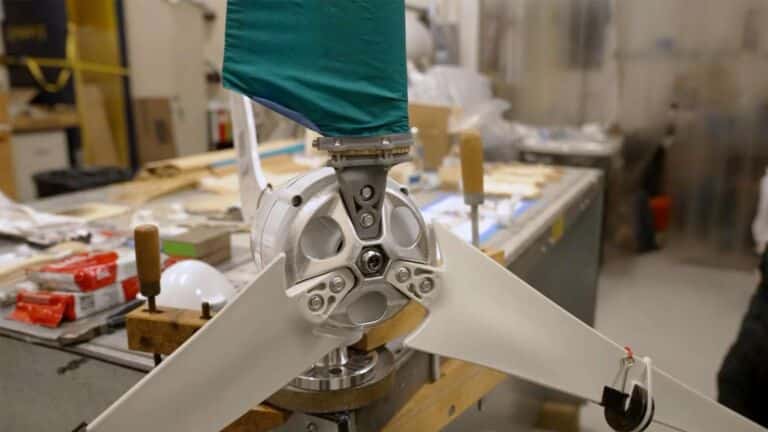
A wind turbine must be more than attractive — efficiency is essential. To find the perfect balance between performance and design, the team started by experimenting with 16 different blade setups.
After the first round of tests, the team narrowed it down to four designs, which were then put through their paces at a testing facility near Seattle. From those, two stood out and were sent for additional analysis in wind tunnels — first at the University of Washington and later at a larger testing site on the East Coast. In the end, the twisted shape of the helical blade stood out as the most effective design.
The difficulties of creating the product
A standard onshore wind turbine can churn out more than 6 million kilowatt-hours each year. But the wind fence isn’t trying to compete with these massive wind farms. Their goal is a bit different — they focus on distributed wind power, meaning electricity is generated close to where it’s used, like homes, businesses, farms, or factories.
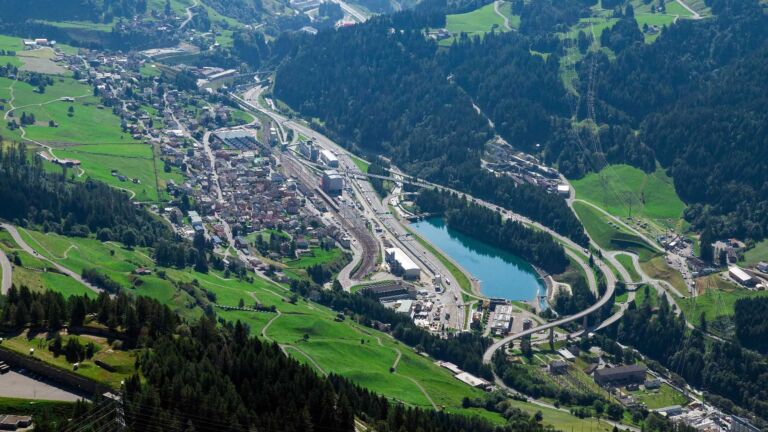
On the other side, the founder doesn’t see the residential sector as the market focus for the product. When the first concept was unveiled, it received many inquiries from the private and public sectors for the wind fence. As more clients approached the company, the market presented itself to Airiva: corporate campuses, railways, highways, harbors.
The wind fence will be available to order in 2025
While larger wind turbines generally offer greater efficiency, Doucet sees value in the tradeoff provided by the wind fence units like Airiva’s design. Installing an array of these turbines can support businesses in reaching net-zero goals more quickly without compromising the appearance of their campuses. In fact, such installations may enhance the visibility and appeal of a company’s commitment to sustainability. The company website states that they should start creating customer pilots from summer 2024 and accepting orders for commercial units as early as 2025.
Read the whole thing?
Get the week's signal, not the noise
Our sharpest reporting on energy, climate and nature — free, once a week.