
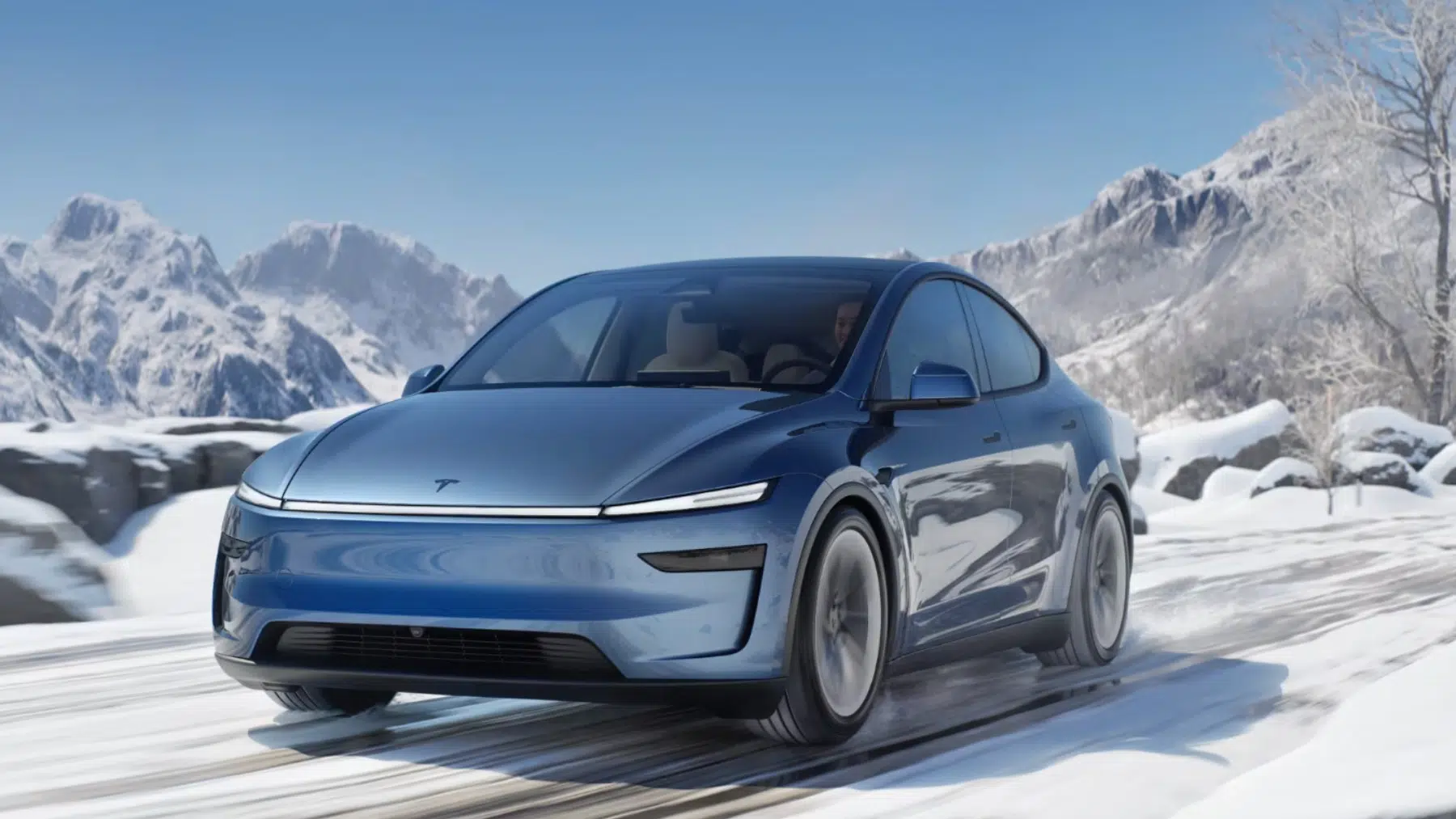
We hope everyone is still indulging in their Thanksgiving leftovers. For those who enjoy ‘spilling the tea’ with their leftover pumpkin pie, we have intel on Germany’s most defective car. It is, unfortunately, from America, and it’s one of the worst results in a decade. While negative reviews are some of the hardest things to hear, they at least provide the building blocks to produce something better, and perhaps even the best! Discover more about the bestselling model that received one of the worst ratings ever.
The love-hate relationships with EVs across the world
Cars in the modern age are very different from the bulky, vintage cars from 50 years ago. Millions of people have transitioned from internal combustion engine (ICE) cars to battery-electric cars (EVs). What was once an upper-class feature has become basic, with the majority of people seeking cars with the latest technology, including driver-assistance and infotainment systems.
Globally, EVs have become increasingly popular, and according to data from the International Energy Agency, global EV sales surpassed 17 million in 2024, up by a quarter compared to 2023. Furthermore, of all new car sales globally, 20% were attributed to EVs. However, nothing and no one in this world is perfect. A German organisation recently announced its lower-ranked EVs in the country, and an American brand’s model topped the list.
Germany’s most defective car is from America
An independent German organisation called TÜV, which translates to ‘Technical Inspection Association,’ has spoken more than a thousand words in its latest reliability report for 2025. The TÜV Report is responsible for ensuring compliance with safety and environmental standards by conducting compulsory periodic roadworthiness inspections, and it is one of the most rigorous in the world.
Now, one of the most well-known bigshot companies in the world with an impressive EV market share is Tesla. Not too long ago, Tesla confirmed a new model with unseen performance. However, one of its bestselling models, unfortunately, made the top of an unreliability list compiled by the TÜV Report. According to the report, it was one of the worst results in a decade.
The bestselling model with the worst result
The Tesla Model Y had the worst result in this year’s TÜV Report, with a serious defect rate of 17.3% among cars aged two to three years old. It was reportedly one of the worst results in a decade. According to the 2025 TÜV Report, the Model Y showcased a series of problem areas, but the main ones include:
- Braking systems
- Suspension
- Lighting equipment
Its Model 3 also had some bad luck, scoring a defect rate of 13.1%. This indicates that roughly 1 in every 7.6 cars in the specific age groups failed the safety inspections. The TÜV Report reviewed nearly 9.5 million car inspections from July 2024 to June 2025. Another well-known brand model, the Mini Cooper SE, scored a 3.5% defect rate, highlighting once again that nobody is perfect.
Some of the brands that fared a little better in the report, among their respective age groups, include Volkswagen in the four-year-old and older group, Mazda, Mercedes, and BMW in the two to three-year-old group, and Fiat reaching the top in the small electric group.
What is more concerning is that the total amount of significant defects has increased by nearly 1% compared to the year before, which paints a worrying picture for Germany’s vehicle quality. Furthermore, if these defects are not addressed soon, road safety may become an increasingly worrisome issue in Germany, and perhaps in other countries as well. Fortunately, several cities are making it a priority to enhance road safety, as evidenced by these cities that have embraced slower roads with 20 mph speed limits.
Disclaimer: Our coverage of events affecting companies is purely informative and descriptive. Under no circumstances does it seek to promote an opinion or create a trend, nor can it be taken as investment advice or a recommendation of any kind.
Read the whole thing?
Get the week's signal, not the noise
Our sharpest reporting on energy, climate and nature — free, once a week.


