Offshore wind farms run on strict order. Precise schedules. Heavy steel. Predictable plans.
Then, a “ghost” vessel appeared out of nowhere with no radio calls and no signs of slowing down.
It drifted aimlessly through a North Sea wind farm for hours before slamming into a massive turbine foundation.
How could a massive commercial ship completely lose control and trespass into a secure green energy zone? When will the next one hit?
How the unexpected arrival caused ripples in the middle of a major project
The collision struck Hollandse Kust Zuid, a massive 1.5 GW offshore wind farm under construction off the Dutch coast.
Dozens of foundations were already set.
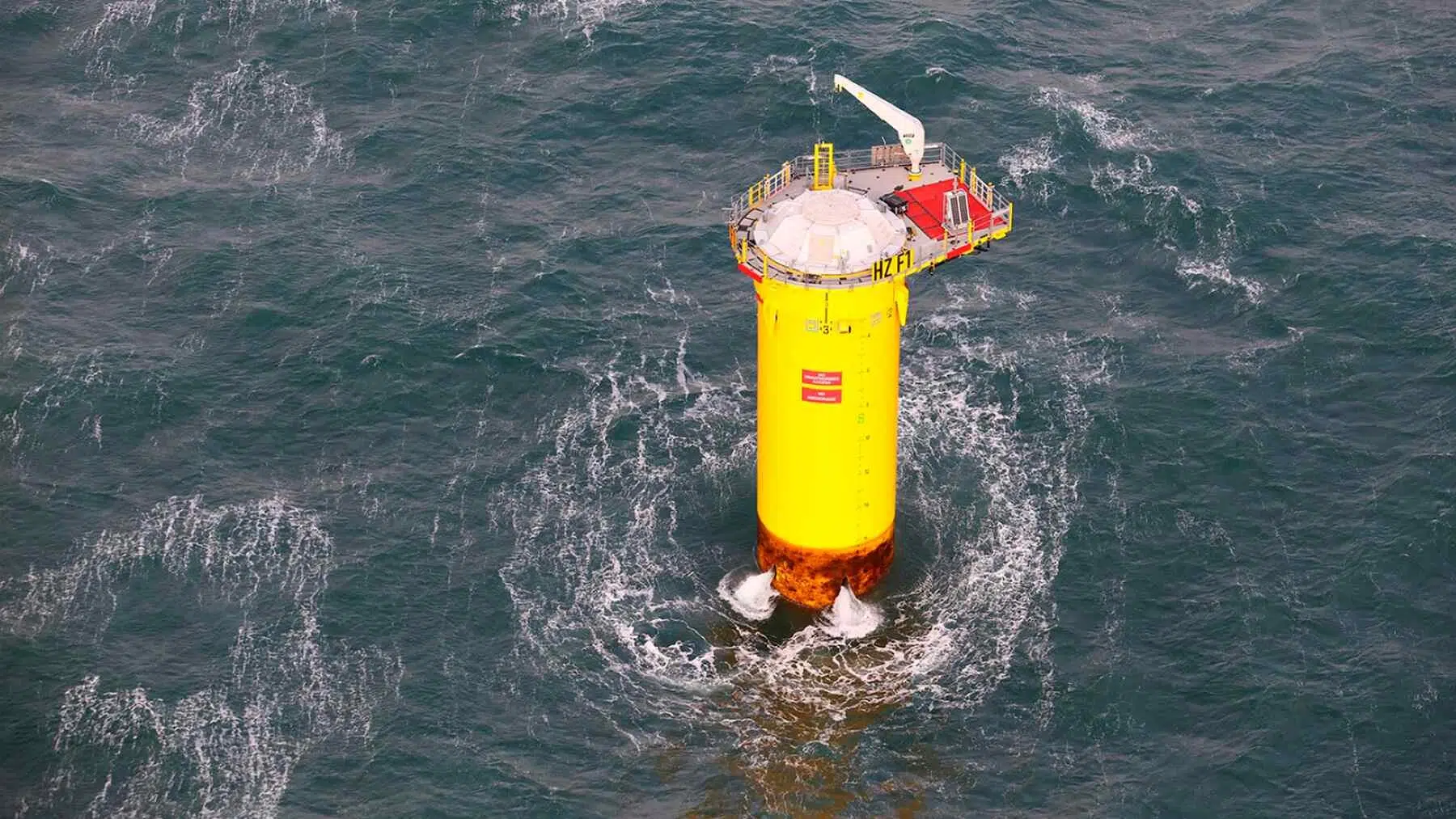
These aren’t small pillars. They are colossal steel monopiles built to withstand decades of ocean fury.
The rogue ship battered one specific foundation, known as Platform Alpha.
It also narrowly missed a vital TenneT offshore transformer platform. This device serves as the electrical heart of the grid.
Developer Vattenfall immediately launched aerial inspections.
Flights showed visible scars on the structure. However, engineers feared severe, hidden underwater damage.
Specialized dive teams and sonar vessels had to be deployed to assess the foundation’s structural integrity below the waterline.
This halted construction schedules. It forced expensive safety reassessments across the entire project site.
A single drifting vessel threatened to derail a multi-billion-dollar green energy timeline.
A multi-million dollar threat
The runaway ship didn’t just hit a turbine.
It scraped against the substation platform—the electrical heart of the entire wind farm.
Offshore energy grids are hyper-interconnected.
One broken link can derail a billion-dollar project.
Though no workers were on-site during the crash, the incident exposed a glaring vulnerability in offshore security.
A wake-up call for green energy
Booming offshore wind zones are being built directly inside some of the world’s busiest commercial shipping lanes.
The North Sea is a prime example. It is crowded with massive container ships, oil tankers, and bulk carriers.
When a sudden storm hits, a massive cargo ship can become a runaway, multi-ton wrecking ball.
Once a vessel loses power and anchors fail, there are few immediate means to stop it.
Coast guards and tugboats cannot always reach a drifting vessel in time during extreme weather.
The ship will tear through green infrastructure meant to power millions of homes.
The ocean ignores human schedules, occasionally dealing the ultimate wildcard.
It provides what you least expect: a drifting ship that becomes a silent impact.
What was that unexpected visit from a “ghost ship”?
In January 2022, Storm Corrie battered the North Sea with 75 mph winds.
The Julietta D, a 37,000-ton bulk carrier, snapped its anchor chains off the coast of IJmuiden.
The whole system failed. It collided with the oil tanker Pechora Star, taking on massive amounts of water in its engine room through a breach in the hull.
Fearing the ship would sink, the captain ordered a helicopter evacuation. All 18 crew members were flown to safety by Dutch and Belgian coast guard helicopters.
This left the dead, unpowered vessel completely abandoned.
For hours, the unmanned behemoth drifted blindly toward the Hollandse Kust Zuid wind farm.
It slammed into a vital turbine foundation and a high-voltage substation jacket, damaging equipment meant to last for decades.
Heroic salvage crews from Sovereign Global and Multraship finally secured towlines in treacherous seas, dragging it to Rotterdam.
The maritime police later launched a criminal investigation. They detained the master and chief officer under suspicion of premature vessel abandonment.
Did the crew abandon a salvageable ship too early, or was it a necessary choice to save 18 lives?
As green energy expands, we must protect vulnerable offshore power grids. The probability of more rogue vessels cannot be ignored.
Can human engineering ever out-plan the unpredictable chaos of a severe ocean storm?
Read the whole thing?
Get the week's signal, not the noise
Our sharpest reporting on energy, climate and nature — free, once a week.