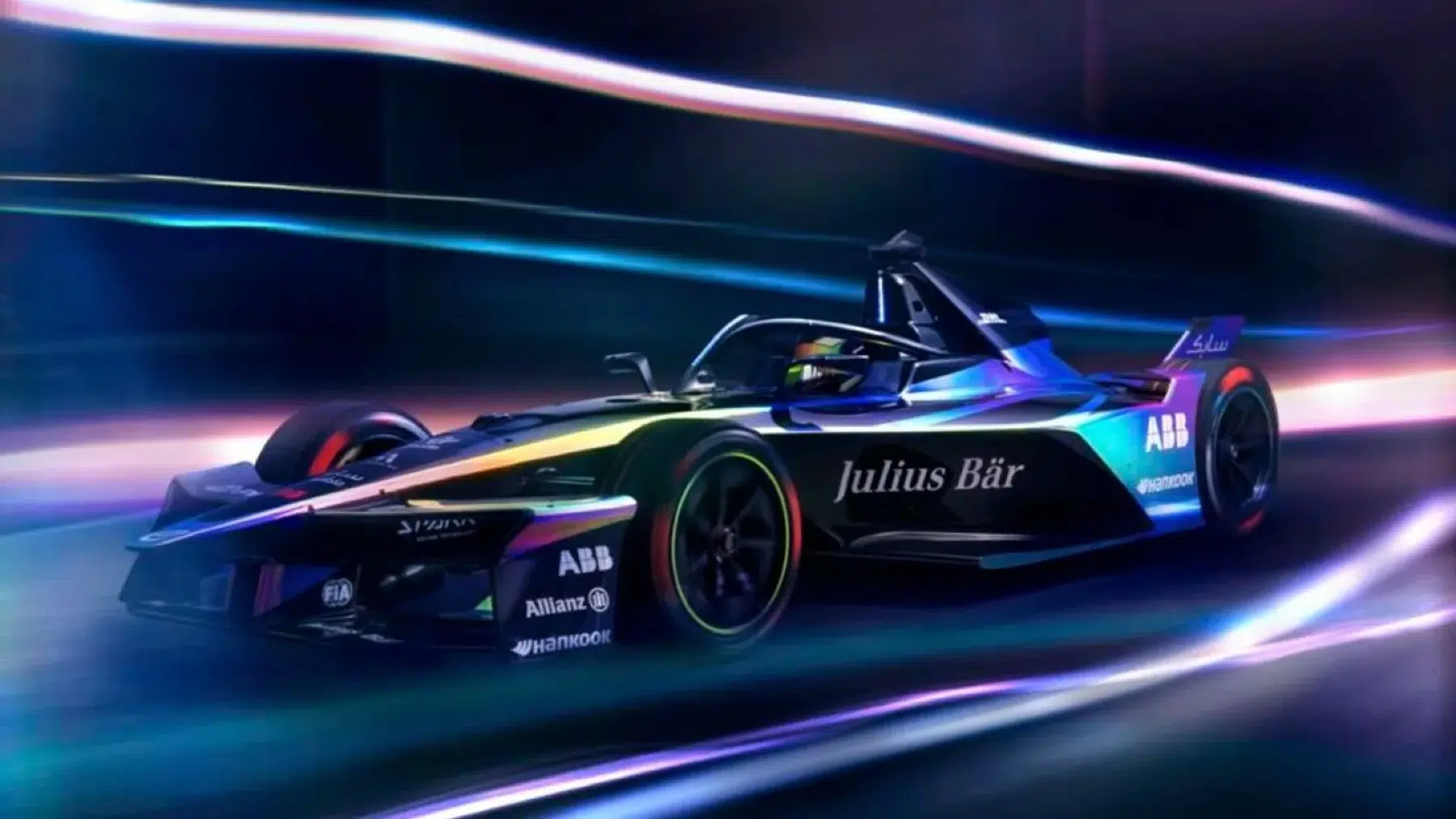
In a not-so-distant future, the majority of cars on the streets and racing tracks may be powered by electric engines. However, in the Formula 1 world, where the combustion engine has an iconic sound – one of the biggest reasons why fans still love the sport – things are different. The distinctive roar coming from the engine remains one of the biggest reasons fans stay loyal to F1. On the other hand, the electrical engine division of Formula already exists, but fails to attract the same level of attention in comparison to the main motorsport division.
Formula 1 combustion engines are in danger
The difference between Formula 1 and Formula E is not only in the engine. The design of the cars is different as well, with the ones with electric engines being smaller, with different aerodynamics and racing tracks, for most of the season. While Formula E races are usually held on street tracks, Formula 1 has its roots on the racing track, and only a handful of races in the current calendar take place on some city streets, such as Monaco, Singapore, Bahrain, Miami, and Las Vegas.
Since 2014, the F1 engines have been hybrid. The power unit works along with the internal combustion engines. There is also the Energy Recovery System with two main components: – the MGU-K (Motor Generator Unit-Kinetic), which recovers energy from braking and stores it in the battery to later be redistributed to provide extra power when pilots need to get out of a turn fast; and the MGU-H (Motor Generator Unit – Heat). This one recovers the heat energy from the turbocharger and uses it to reduce the turbo lag, or sends it to the battery to also provide extra power.
The FIA director, Jean Todt, expressed his skepticism about Formula 1 eventually adopting electric powertrains in the future. The current limitations of electric vehicles can’t cover the competitive speed or race span that the current cars have without having to recharge (305 kilometers). The bad news for the fans is that Todt suggested that in 20–30 years, electric engines might be able to meet the criteria to join F1.
The CEO does not want electric engines in the division
Meanwhile, the CEO of Formula 1, Stefano Domenicali, is highly against the category making the transition to electric powertrains, and stated that F1 “will never go electric.” He also stood against innovation and leaving behind vehicles that already exist in order to have zero emissions.
The most recent focus is to achieve carbon neutrality through the adoption of sustainable synthetic fuels. Currently, the F1 does not use normal gasoline. The cars are designed to run with high-octane fuel to extract the maximum capacity of the engine. Other types of fossil-based fuel are not able to sustain the demands of the system.
Honda left to focus on the future
The carbon neutrality technology is not new for Formula 1, nor for road vehicles. In 2020, one of the most traditional brands in the motorsport category, Honda, left the sport to focus on building the next generation of car technology to achieve carbon neutrality. Honda partnered with Red Bull for years and concluded their activities at the end of the 2021 season, when Max Verstappen won the championship using their engine. They continue to support the sport by providing power units for the RB Racing
The teams’ withdrawal didn’t last long, as Honda is coming back to F1 in 2026 in a partnership with Aston Martin. The brand was famous for producing the same engines Ayrton Senna used in all three world championships. Most recently, they offered billions of dollars to Nissan to buy the company, but the sale didn’t end well.
Read the whole thing?
Get the week's signal, not the noise
Our sharpest reporting on energy, climate and nature — free, once a week.