
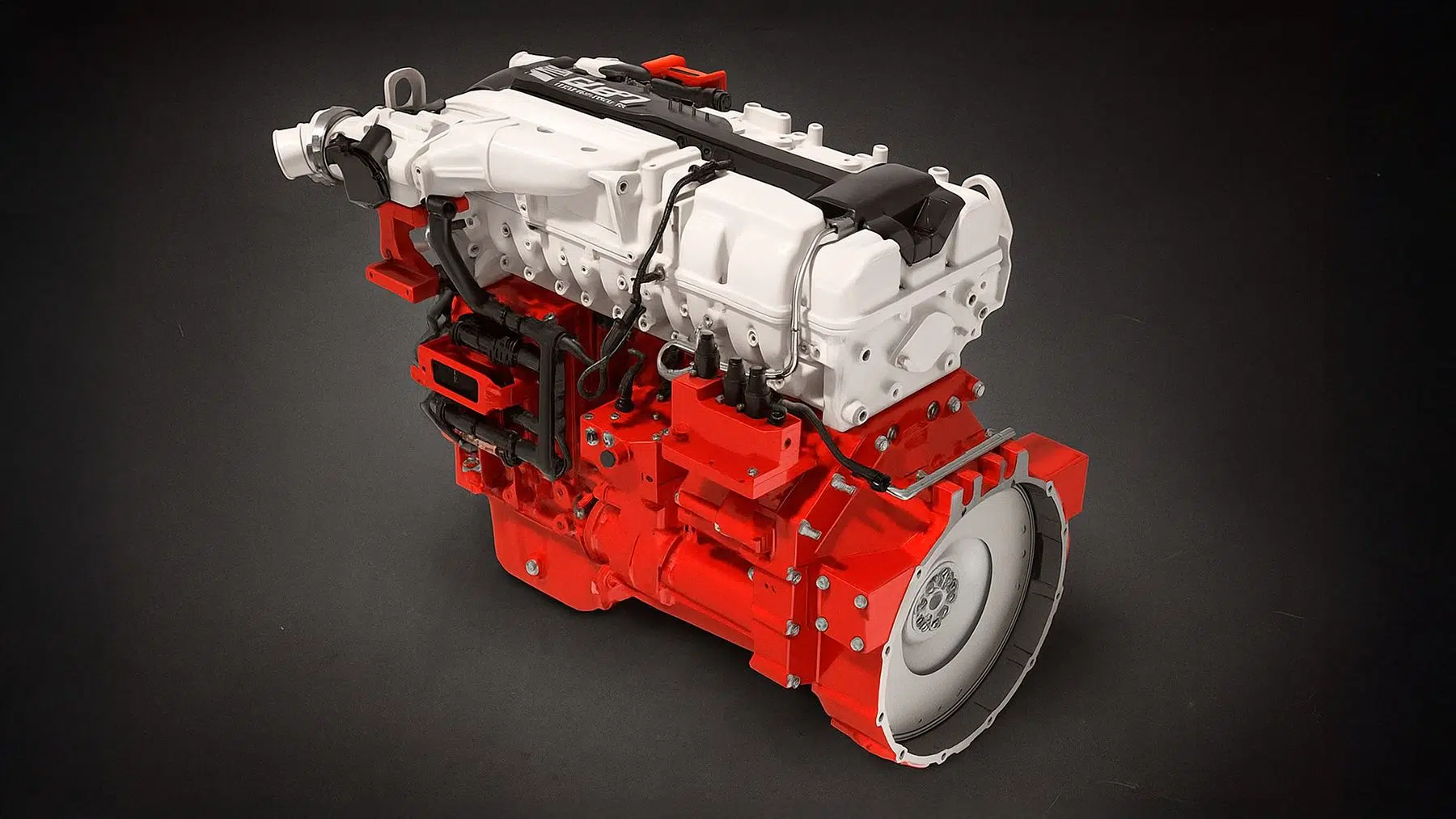
Hydrogen is no longer the frontrunner. Europe’s most iconic carmakers have spent generations refining combustion engines. Even though the visceral noise from combustion engines are still a thing, the environment can’t take much more. The industry is adapting and developing hybrid and full electric cars, trucks, trains and more. But one U.K. based company is leading the change with an engine that delivers a 99% drop on emissions – something never seen in the market until now.
Everything starts in Europe
Europe is now at the center of the push to decide what fast, clean driving will look like in the future. With governments pushing to move quickly away from fossil fuels, and competition growing from tech-driven companies in places like Silicon Valley and Asia, carmakers across the continent are facing a big decision.
Things are changing fast, and electric power isn’t just an option anymore — it’s becoming the main focus. Hydrogen, once seen as a strong choice for clean transport, is starting to fall behind as electric vehicles get better and easier to use. A recent major move might have sealed the deal, showing a clear shift in the direction Europe’s car industry is taking.
U.K. company Cummins developed new hydrogen engine
Cummins Inc. (NYSE:CMI) and a group of top tech partners have just finished Project Brunel — a joint effort to push hydrogen internal combustion engine (H2-ICE) tech forward for trucks and buses.
Backed by the UK Government and the Advanced Propulsion Centre UK (APC), the project brought together Cummins, Johnson Matthey, PHINIA, and Zircotec. They worked on a 6.7-litre engine based on Cummins’ current spark-ignition design. PHINIA added new injection systems, Johnson Matthey contributed emissions treatment and materials expertise, and Zircotec handled thermal coatings.
The result? Over 99% fewer carbon emissions from the tailpipe compared to today’s Euro VI diesel engines — plus ultra-low nitrogen oxide levels. It’s a strong sign that H2-ICE could work well in medium-duty commercial vehicles that need cleaner fuel without major design changes.
Zero emission future for Cummins
Jonathan Atkinson, Cummins’ Executive Director of Product Strategy, said the project’s success shows how teamwork can bring real decarbonization solutions to today’s vehicle fleets. He also pointed out that this approach could help traditional engine makers stay in the game as the world shifts to zero-emission transport — as long as regulations match those in other key markets.
The final phase of the project took place at Cummins’ Darlington site, where the team shared what they learned and made the case for H2-ICE as a strong option for cutting emissions in sectors like long-haul trucking and heavy-duty vehicles — areas where battery-electric might fall short.
Tauseef Salma, Chief Technology Officer for Clean Air at Johnson Matthey, added that hydrogen ICE engines are a ready-to-go solution for lowering emissions in larger vehicles. She also noted Johnson Matthey’s long history in emissions control and its ongoing work to shrink the environmental footprint. Their role in Project Brunel shows how industry partnerships can help bring hydrogen engines closer to widespread use.
Engine specifications
The 6.7-litre hydrogen engine was originally built for medium-duty trucks and buses, but its flexible design makes it suitable for bigger machines too — like those used in construction and agriculture. Cummins is already taking the next step by developing a larger 15-litre version aimed at heavy-duty vehicles.
To support this push, Cummins recently invested more than £13 million in a new Powertrain Test Facility at its Darlington campus. This new setup boosts their ability to test full powertrain systems across several fuel types — from diesel and natural gas to hydrogen and electric — for use in different industries, such as maritime transport or heavy-duty machinery.
Our coverage of events affecting companies is purely informative and descriptive. Under no circumstances does it seek to promote an opinion or create a trend, nor can it be taken as investment advice or a recommendation of any kind.
Read the whole thing?
Get the week's signal, not the noise
Our sharpest reporting on energy, climate and nature — free, once a week.


