
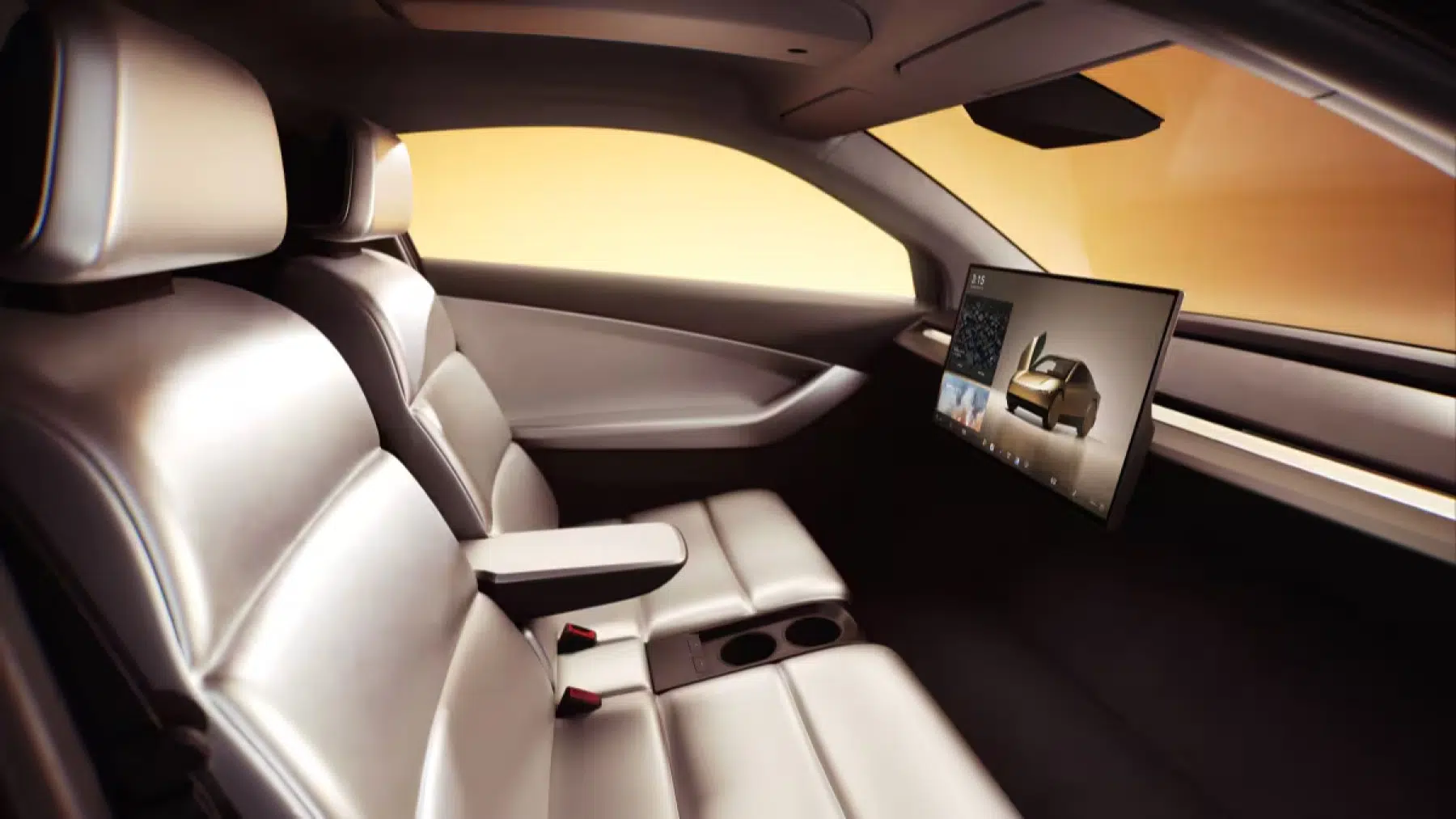
Elon Musk’s Tesla is dominating the electric vehicles market, and now it’s time for the next step. One of the most impactful features in the cars is the self-driving option. The driver can take both hands off the wheel and the feet from the gas and let the AI drive for a long period of time. For a while, Tesla has been dreaming of creating a taxi with this feature, but the dream was postponed because of the issues highlighted by the NHTSA.
Tesla has to delay the launch of its driverless cab
Tesla has been intensifying its efforts to showcase a driverless robotaxi service in Austin in June. The company has been testing FSD (Full Self-Driving) ride-hailing under supervision, using its employees in Austin and San Francisco to test the product, and it completed over 1,500 trips and 15,000 miles, announced on X official page.
Ferrying employees before launching a service is not a new procedure in the industry of autonomous ride-hailing. Another famous company for using driverless taxis, Waymo, uses the same approach to test its own version of the service. The testing phase aims to validate features such as the mobile app, driver-assistance software, and vehicle allocation. The big difference between these two products is that Tesla relies on a camera-based vision, while Waymo utilizes lidar and radar.
While both companies are close to the final product for the launch, the regulatory challenges are mounting. The U.S. National Highway Traffic Safety Administration (NHTSA) requested detailed safety plans for the taxi service in Austin, focusing on performance in adverse weather conditions, as highlighted in the PE24031-02 information request from the National Highway Traffic Safety Administration.
Tesla initially planned to launch the robotaxi in June, but with the safety issues, the launch was delayed as the NHTSA gave the deadline on the 19th for the company to deliver a detailed explanation. In January, Elon Musk said that there would be no drivers in the cars for the launch.
A test-drive review by The Times went badly
Recent tests have highlighted safety concerns when its FSD made an error by running a red light. On the other hand, Waymo showed a more reliable performance using its standard employee-testing playbook before entering new markets. Additionally, a test drive of Tesla’s self-driving Model Y revealed issues such as delayed braking and erratic behavior in traffic. Still on X, a video uploaded by the page ‘Whole Mars Catalog’ showcased a Tesla navigating its way through the traffic near the Los Angeles Airport using Supervised FSD.
A journalist for The Times, Keiran Southern, tested the new self-driving Model Y, and the reviews were not good. Some key observations from the test drive are the inconsistent performance with delayed braking and hesitations during complex tasks – like taking a U-turn; the driver still needs to be aware of the driving as the system does not achieve full autonomy; Waymo’s system allows unsupervised operations in certain locations.
The levels of automation required for self-driving technology
The Model Y is currently on Level 2 of automation. The vehicle is able to handle some aspects of driving, like steering and acceleration, under specific situations, but the driver should be aware and prepared to take control of the car if needed. On the other hand, Waymo is at Level 4. This category is where high driving automation is present in the product, and the vehicle is capable of handling itself in all aspects under specific conditions – if it doesn’t meet criteria or shows any problems, a massive recall can happen.
The highest level of automation is at Level 5, where the vehicle presents full driving automation and should be able to handle all types of conditions without human intervention. Companies such as Waymo already operate commercially at Level 4 in multiple U.S. cities.
Read the whole thing?
Get the week's signal, not the noise
Our sharpest reporting on energy, climate and nature — free, once a week.


