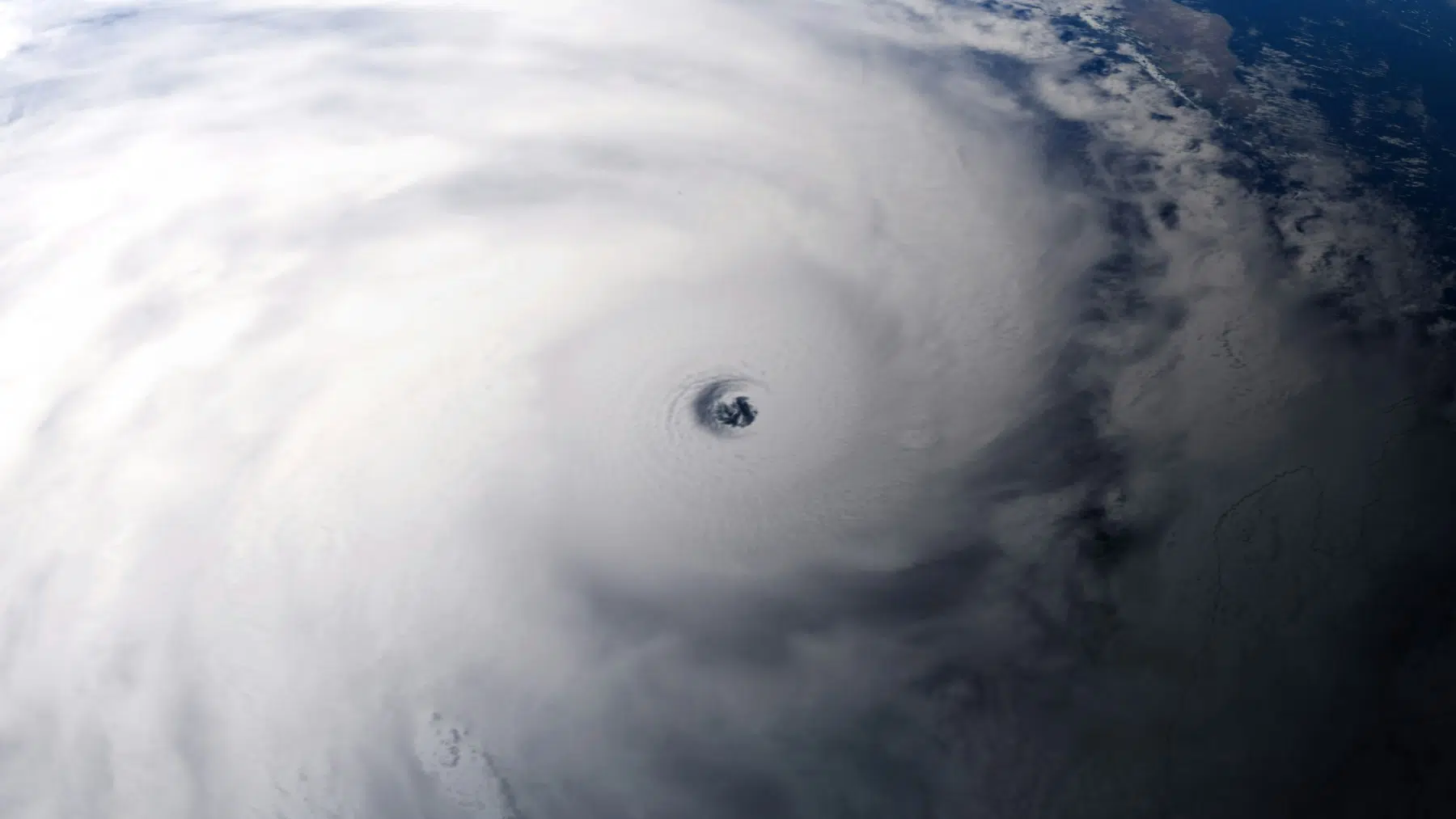
For the last half-century, we have rated hurricanes by an outdated, static, 5-tiered standard. Does this old framework give us fair warning of today’s record-breaking, super-charged cyclones?
The world is warmer, and the oceans boil with even more fuel.
Hurricanes are getting stronger than ever before, but they’re being trapped in the same old metric as always.
Scientists want to completely rewrite how we evaluate and report extreme risks.
Is it finally time to end this long history of failure?
Beyond the five-tiered limit
Saffir-Simpson was developed in the 1970s to identify what wind can destroy. It puts all wind damage into one of five ranks.
This works well because most people know exactly what each level means.

However, there is a major flaw in the way this scale rates wind speed.
It acts as a closed-ended protocol. It avoids words like “very high” or “extremely high.”
In reality, it acts as an open-ended mechanism. When you reach the top grade, a Tier 5, that is where your ratings stop.
A Tier 5 hurricane with 160mph winds is treated the same as one with 200mph. This doesn’t take into account the fact that wind power grows exponentially faster.
That growth causes catastrophic loss of human-made structures. Modern weather events are causing more damage than previously thought possible.
Many were originally classified using the same criteria the system uses. By placing a cap on how we perceive these tempests, we may be downplaying their danger.
A tale of two coasts: safety vs. growth
Florida views the use of a measurement system to inform their building code. If a developer believes that changing the way a hurricane is rated would cost him money, he will likely fight it.
He would resist regulations that require his company to make changes based upon that changed evaluation.
Developers often view regulatory costs as barriers to growth.
On the other hand, cities near the ocean, especially cities in flood zones, see things differently.
Florida fears wind-driven complacency if a new scale minimizes current dangers.
Low-lying cities like New Orleans need a better scale because Saffir-Simpson ignores storm surge. They must plan accordingly for both surge protection and evacuation procedures.
In addition, cities like New Orleans do not have the luxury to view updating their index as simply an academic exercise. It is potentially lifesaving.
The geographical features of a region play a significant role in determining how that region views risks.
Redefining the danger zone
Research indicates that warming caused by humans has increased the number of extremely intense systems over time. This is highlighted in the study “The growing inadequacy of an open-ended Saffir–Simpson hurricane wind scale in a warming world” published in Proceedings of the National Academy of Sciences.
Data also show that cyclones of the highest intensity have become increasingly common during this period.
The current gauge cannot convey the serious threats presented by these new types of gales.
Therefore, experts believe that effective communication of risks should include accurate representations of hazard, exposure, and human vulnerability.
A new tier for new threats
They propose this additional classification to represent storm intensities greater than 192 miles per hour. Adding a sixth tier would allow experts to express that our increasing global temperatures produce significantly stronger, deadly storms.
It would provide members of the general public with the language required to understand and respect extreme weather events.
While this change is primarily about terminology, it ultimately relates to saving lives in affected communities.
The world is moving faster than our old measurement tools can track. We must finally sharpen our focus to protect our future.
It is time to rewrite our story before the next storm arrives.
Read the whole thing?
Get the week's signal, not the noise
Our sharpest reporting on energy, climate and nature — free, once a week.