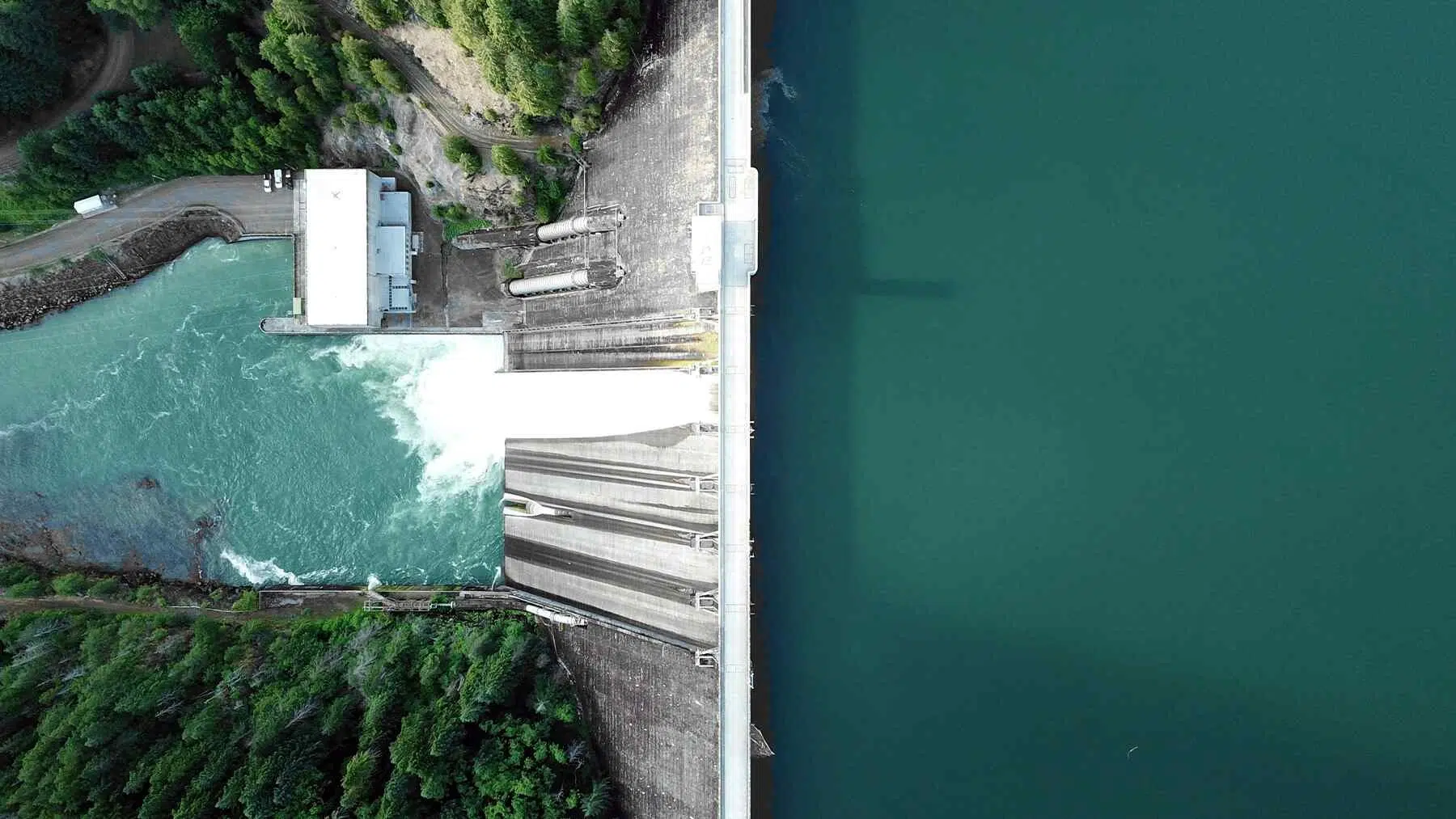
A hydroelectric dam is supposed to optimize water usage as well as generate power.
The need for energy has become a global issue that affects millions around the world. But when a massive hydroelectric dam was constructed to stop flooding in an iconic nation in South America, authorities quickly realized that water flow was not in fact being reduced.
What caused increased water flow at this iconic hydroelectric dam in South America?
How energy generation is directly linked to climate disasters
Over the past few decades, we have come to learn that the global energy industry is the primary driver of the greenhouse effect.
The burning of coal, oil, and gas for electricity purposes, as well as heating requirements, is the largest and most notable source of global emissions. It accounts for approximately 68% of global greenhouse gases and roughly 90% of all carbon dioxide emissions.
Fossil fuel energy generation fills the world with emissions, and the ocean absorbs the vast majority of the heat produced by emissions.
As the oceans become warmer every year, they provide more and more energy for huge hurricanes and storms. Recent research indicates that record-high ocean surface temperatures in the Gulf of Mexico have exacerbated climate change in the region over the past few decades.
Decarbonizing the global energy industry is paramount to our collective future
Al Gore brought the issue of climate change to the public’s attention with his 2006 documentary, An Inconvenient Truth.
At the time, most simply shrugged their shoulders at the warnings from the previous Presidential candidate; however, with this year being the 20th anniversary of the film, we are now seeing that Mr Gore’s warnings were a glimpse into our future.
As the international energy market is, without a doubt, the primary contributor to climate change, decarbonizing the sector is essential to saving the planet.
Recent developments in new energy-generating technology have given the world hope of averting a climate disaster. Such as a Dutch startup that has been experimenting with powdered iron as a powerful fuel source.
We have seen several iconic bodies of water that are simply evaporating before our eyes as global warming reaches unprecedented levels.
One of America’s most emblematic lakes, the Great Salt Lake in Utah, has lost two-thirds of its mass over the past few decades. And experts note that things are only going to get worse.
In Colombia, a massive hydroelectric dam has seen dramatic increases in water flow, as noted by the official statement from ANLA (available in Spanish).
The floodgates are open: Why modern infrastructure is failing
In March, the NOAA warned of supercells with the potential to produce strong tornadoes. This led to significant flooding across several states.
More and more nations around the world are seeing their infrastructure face a significant risk of damage as flooding becomes a major concern. But when the issue affects their ability to generate energy for the population, the problem becomes a national emergency.
A significant development in Colombia has raised alarm bells
South America overall has relied on the oil industry for the majority of its power.
However, as Colombian authorities have been monitoring the water flow from the Urrá I Hydroelectric Plant, they made a worrying discovery. The risk of localized flooding is one that this nation knows all too well.
The National Environmental Licensing Authority (ANLA) has reported a 69% increase in water inflow at the Urrá I Hydroelectric Plant.
The surge of water has pushed reservoir levels far beyond their safety limit. The influx of water threatens areas along the Sinú River with floods, but investigations are underway to determine the cause of this strange increase in water inflow.
Some nations have opted to turn to the wind power sector as a primary energy resource; however, Colombia relies heavily on the massive hydroelectric dam for its energy, and this development has raised alarm bells as to the future of the facility.
Disclaimer: Our coverage of events affecting companies is purely informative and descriptive. Under no circumstances does it seek to promote an opinion or create a trend, nor can it be taken as investment advice or a recommendation of any kind.
Read the whole thing?
Get the week's signal, not the noise
Our sharpest reporting on energy, climate and nature — free, once a week.