Finland has uncovered a “treasure hunt” that could change their future almost forever. A massive geothermal reserve has been discovered and it is said it can supply energy for 20 million years. Reports state that this is Finland’s largest treasure in its history, offering a limitless energy supply. The geothermal heating system and the “energy mine” are changing the course of events.
Underneath the Finnish soil, the geothermal energy source provides an almost limitless supply of heat from the Earth’s crust. Utilising heat from deep beneath, geothermal energy produces both heating and electricity. Finland’s discovery expands on Iceland’s successful geothermal uses, but it also has the potential to be scaled throughout Europe.
How Finland’s energy landscape will change due to this geothermal treasure
For many years, Finland has relied on nuclear power and imported renewable energy, that is, wind and hydropower. However, tables have turned, and the nation is now tapping into the dynamics of geothermal and being independent. This geothermal discovery has changed everything about Finland’s energy perspective. Another thing is that geothermal is consistent and different from energy and resources such as solar.
The idea of using geothermal energy is not new in Finland, but its finding represents a significant step towards the country’s goal of having clean, sustainable, and long-lasting energy. Finland serves as an example to other countries that harnessing the earth’s heat can lead to sustainable and worldwide economic growth through the use of geothermal energy.
Another thing that will change Finland because of this discovery is that it will reduce energy costs for consumers. Businesses and households will potentially see a decline in electricity costs, making it an economic improvement. Additionally, renewable resources such as geothermal are also sustainable for the environment and reduce carbon emissions.
The first geothermal plant has already begun operations
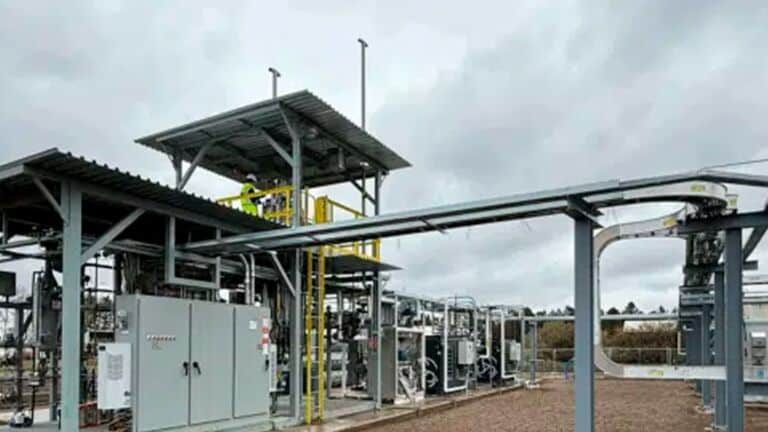
EuroWeekly News reports that the first geothermal heating plant, located in Vantaa, has already started up. It can heat about 130 dwellings with an annual output of 2,600 MWh. The facility is the first of its kind to incorporate geothermal heat into Finland’s district heating networks, making this a noteworthy milestone. In comparison to fossil fuel options, the plant decreases emissions by 95%, which is in line with Finland’s 2030 carbon neutrality target.
Is geothermal really good for the environment, though?
Renewable resources such as geothermal are also sustainable for the environment and reduce carbon emissions. However, there are certain activities that transpire to extract energy from the earth’s crust beneath the surface. Engineers have to dig deep and drill the earth, which can harm the ecosystem and weaken the crust and the living creatures around; therefore, it is something Finland needs to pay attention to.
Despite its enormous potential, geothermal energy has drawbacks. Geothermal reservoir access requires deep drilling technology, which is still in its infancy. Limitations in production and drilling technology may prevent geothermal projects from being implemented more widely, as IVIS News pointed out. Additional research is also needed in the areas of long-term sustainability, economic analysis, and environmental effects.
Finland’s energy future enters a new era
The future is, however, looking good. 20 million years is a very long time and perhaps a good investment for the country. With this discovery, Finland is now one of the world’s foremost leaders in the field of renewable energy and may offer valuable insights to other countries hoping to reduce the impact of carbon emissions and promote the switch to cleaner energy sources.
Geothermal energy is a vital component in the battle against climate change because of its dependability and minimal environmental impact. In contrast to solar or wind power, which are contingent on the weather, geothermal energy is accessible all year long. The research from Finland shows how this resource may drastically cut carbon emissions while producing dependable, renewable electricity.
Read the whole thing?
Get the week's signal, not the noise
Our sharpest reporting on energy, climate and nature — free, once a week.