The clean energy craze was nothing like what it is today back in 2008. A weird-looking machine started to pop up around this time. It was a clunky-looking bit of machinery, nothing like the turbines we see in the countryside these days. This odd machine garnered interest, and some people questioned the design.
What is the wind machine we are talking about?
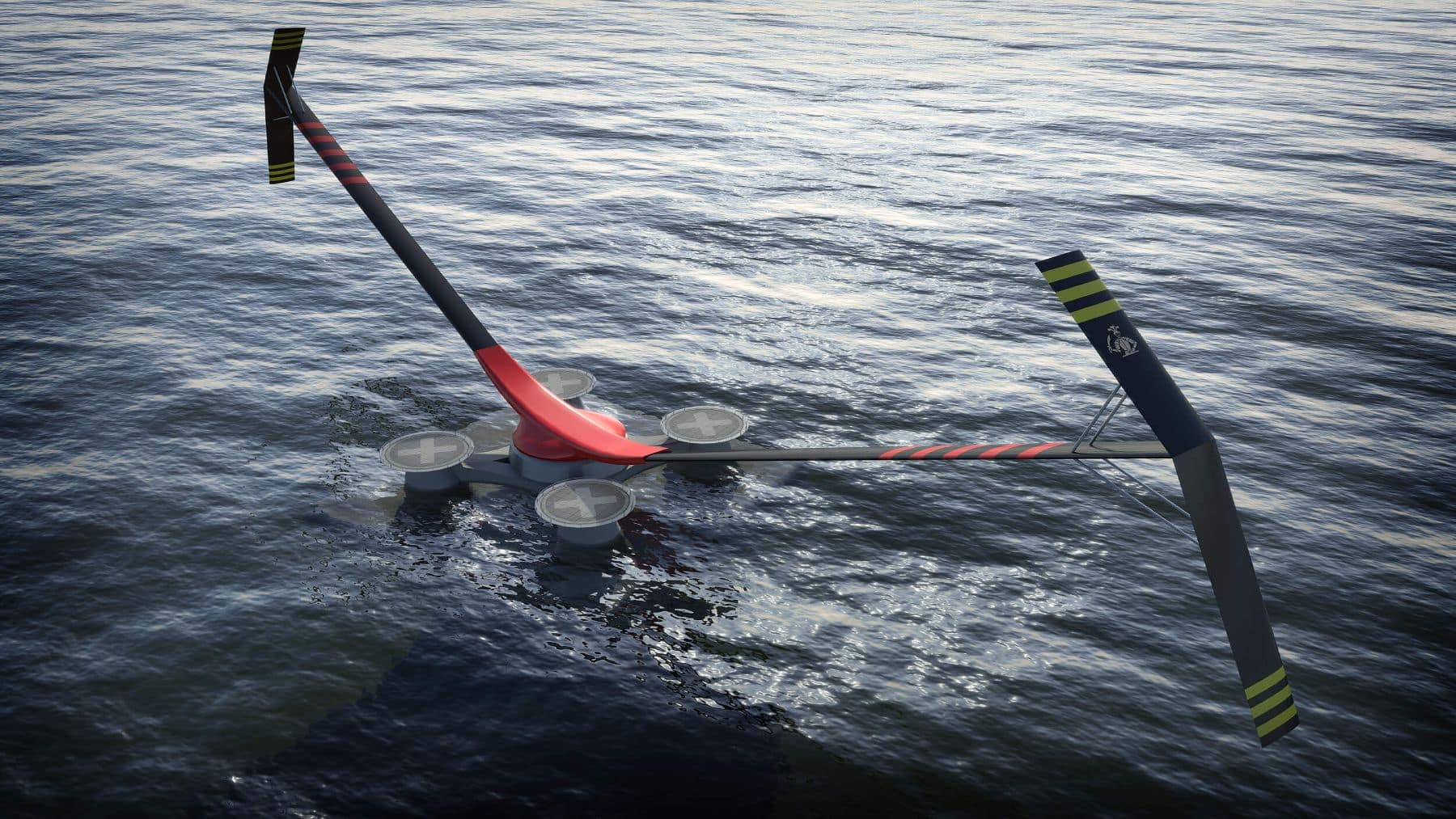
This machine was a turbine, a vertical-axis wind turbine that was supposed to shake things up in the world of energy. It’s called the Aerogenerator X, and its potential is still as impressive today as it was when it was first engineered.
It flies in the face of what you might see on wind farms, the three-bladed, horizontal turbines. The Aerogenerator X has far more aesthetic appeal than that.
The Aerogenerator X wind turbine is a sight to see
Instead of classic blades slicing the air, the Aerogenerator X has two long arms that sweep around a central spine. That odd shape isn’t just for looks. Wind Power Ltd and Grimshaw Architects, with engineering support from Arup, figured this design would stand up better against offshore wind.
The big idea is that this wind turbine doesn’t have to face the wind like classical wind turbines do. The Aerogenerator X takes in wind from all directions. The real excitement came from what the designers claimed it could pull off if it ever hit commercial scale.
What the Aerogenerator X wind turbine was said to be able to achieve
Circa 2008, a standard offshore wind turbine topped out around 3 megawatts. The Aerogenerator X was designed to aim for 10. That’s basically like running three wind turbines with one machine, which sounded too ambitious back then. This turbine was backed by solid thinking.
The structure is wider, which lowers its center of gravity. This was done to handle bigger and rougher winds than traditional wind turbines can. Bigger arms meant more wind to work with, and more wind meant more power. Offshore construction is always a costly enterprise, so a turbine that can yield more makes an undertaking like this make more sense.
What went wrong with the Aerogenerator X, and why did it never make it to the ocean?
As promising as all this sounds, the Aerogenerator X never made it to the ocean. Lofty ideas are all good and well, but building these is the real test. It was a test that the Aerogenerator X wind turbine failed to overcome. The hurdles this project had to surmount became too much to deal with, and so losses were tallied and cut before it ever really got to shine like its designers had hoped it would.
Offshore construction is already tough as it is, and Aerogenerator X wasn’t the kind of prototype you could just haul out to a field. It would’ve needed a giant foundation, new ways to manufacture the parts, and a lot of cash for something nobody had ever tried on that scale. Investors in 2008 had other worries, too, so the money was never made available to really see this through. This wind turbine is still spoken of fondly in the world of clean energy, with many wondering what could have been if it had made it out of early piloting.
Wind power is a prevalent form of clean energy in the world, and there are strides being made to further refine this technology every day. Vertical-axis wind turbines had been around, but none would’ve been quite as big as this one. It would’ve changed things, and it remains a moment that experts still look back on with a sense of what might have been.
Disclaimer: Our coverage of events affecting companies is purely informative and descriptive. Under no circumstances does it seek to promote an opinion or create a trend, nor can it be taken as investment advice or a recommendation of any kind.
Read the whole thing?
Get the week's signal, not the noise
Our sharpest reporting on energy, climate and nature — free, once a week.