Yamaha and Toyota are some of the most impactful Japanese manufacturers in the industry. Although Yamaha has products in many markets, such as guitars, stereos, and motorcycles, it doesn’t mean that sometimes it can’t join other manufacturers to help in research and build new engines. Collaborations in the auto industry are common, especially between Japan-based companies, but this new engine can change everything, and it’s not between two local brands – rather overseas collaboration.
New projects coming soon
Japan-based companies have impacted the industry with new engines, designs, and car culture over the years. From Mazda with its rotary engine, to Honda with its many different adaptations, as well as Toyota with the Supra, the car that can take the most of new features.
It’s a contribution on the engineering side; it’s even bigger, as renewable sources of energy are being introduced, as well as other fuel options. A couple of years ago, Honda left Formula 1 to try to focus on a neutral carbon-emissions project. Now, Japan has found a new way to continue to impact the auto industry.
Japan-based famous brand is creating a new engine
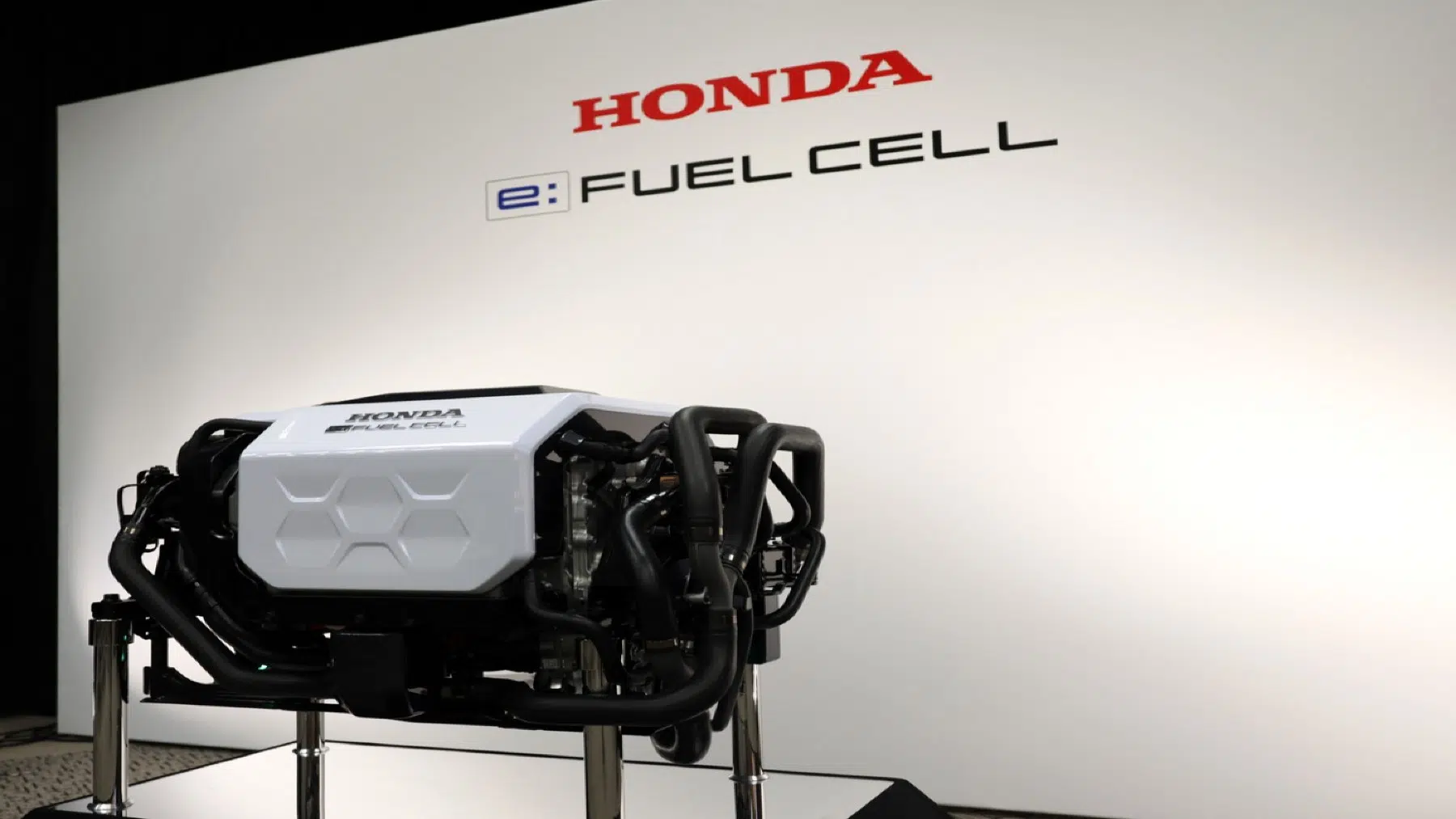
General Motors and Honda have officially started producing hydrogen fuel cell systems at their shared facility in Michigan, known as Fuel Cell System Manufacturing LLC (FCSM). The site, which was first launched in January 2017, represents a 50-50 partnership and is the first large-scale plant of its kind to focus entirely on fuel cell technology. With around 80 employees working inside its 70,000-square-foot space, the goal is to supply both automakers with fuel cell units for a variety of vehicles and other uses.
This isn’t a new collaboration. Engineers from both companies have been developing the system since 2013. The result is a new generation of hydrogen fuel cells that not only perform better but are also more durable than previous versions, especially when compared to models like the 2019 Honda Clarity Fuel Cell. That improvement came through better materials and smarter design, especially when operating in colder temperatures.
Money is not a problem with this new way of increasing production
One of the key achievements here is cost reduction. By streamlining parts, cutting down the need for precious metals, and sharing components and suppliers, they’ve managed to lower production costs significantly. This makes the technology more practical for broader use.
FCSM has also been focused on making the production line more efficient. The Michigan facility uses new, advanced processes to automate key steps like membrane-electrode assembly and fuel cell stacking—helping both scale and quality.
For Honda, this project ties directly into its larger vision of reaching net-zero environmental impact by 2050. That includes reducing emissions not just from its vehicles, but throughout the full lifecycle of its products and operations. The new fuel cells won’t just go into cars, either—they’re expected to be used across different areas, expanding the role of hydrogen in the shift to cleaner energy.
Japan is leading the way to a greener world
Honda sees hydrogen fuel cell technology as a key part of its larger plan to reduce its environmental footprint. The company’s long-term goal is to reach carbon neutrality across everything it does — not just in its vehicles, but in how it builds them and runs its operations — by 2050.
To get there, Honda is focusing on three major areas: cutting carbon emissions completely, building a circular system where all vehicle materials can be reused or recycled, and shifting fully to clean energy sources like electricity and hydrogen. It’s an ambitious strategy, but it reflects where the industry is heading — toward sustainability across the full life cycle of a product.
Read the whole thing?
Get the week's signal, not the noise
Our sharpest reporting on energy, climate and nature — free, once a week.