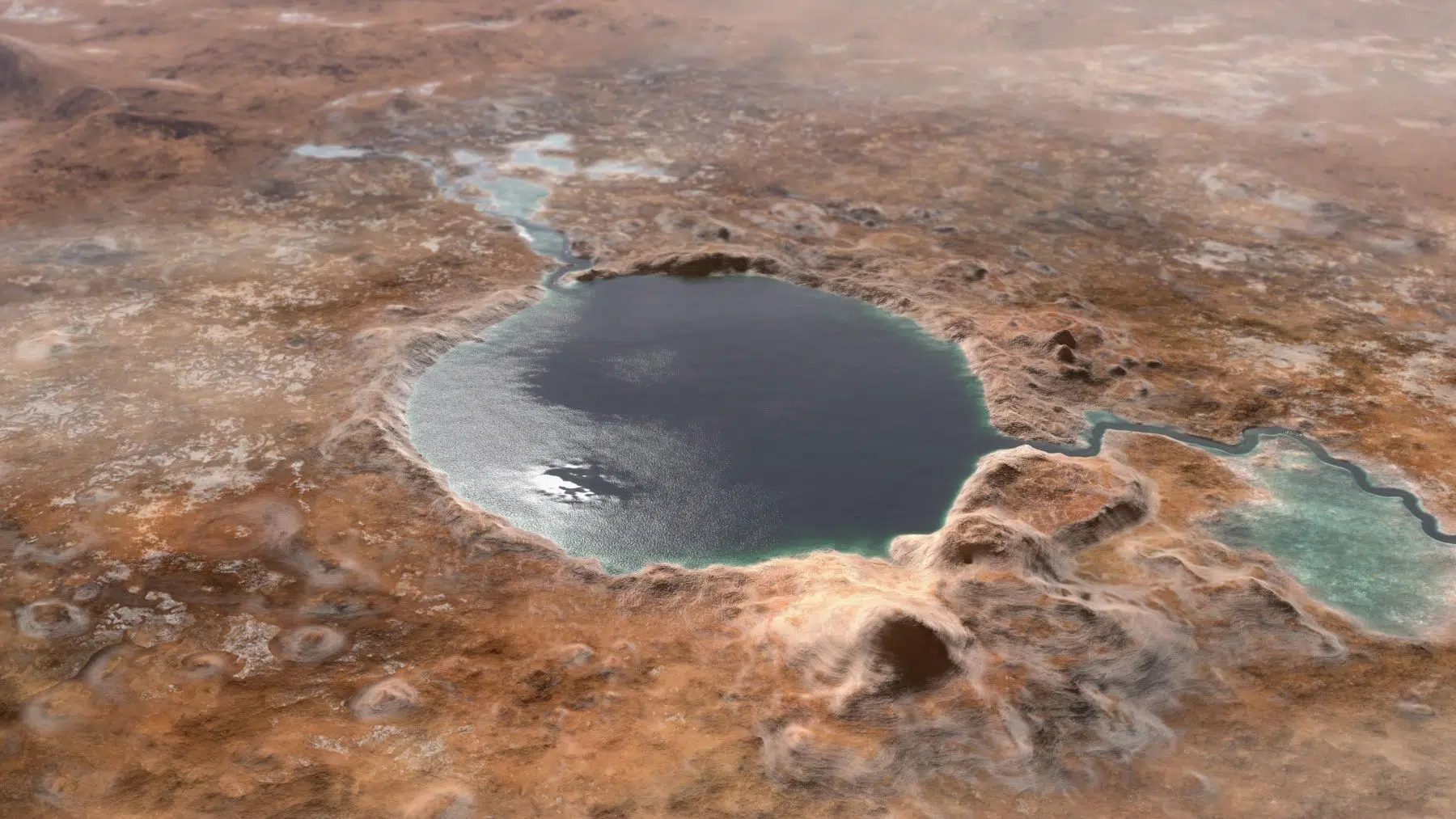
Mars, the red planet, may hide a secret beneath its crust. This is good news for those looking to set up colonies on Mars, as its dusty red plains and polar caps could hold a new source of energy, which would be vital in establishing living conditions on this arid planet.
The energy secret lurking below the surface of Mars
Mars has an environment that will be hard to contend with should humans decide to embark on a journey to set up a colony there. The conditions any energy source will have to withstand are demanding. Rampant dust storms and a thin atmosphere all pose concerning threats, along with the long nights on Mars.
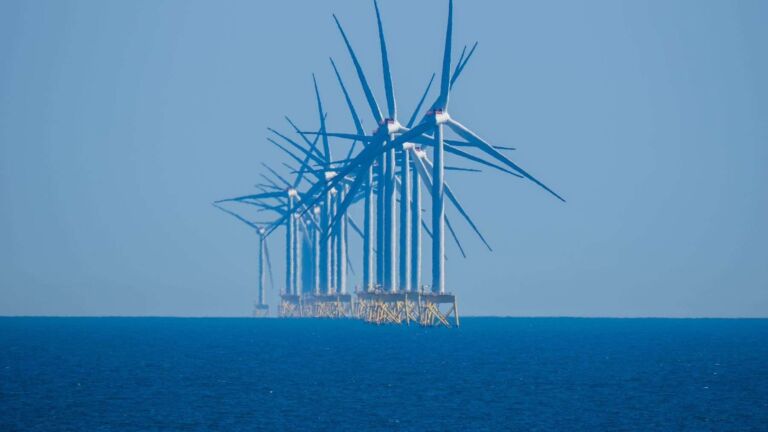
You would think that solar panels would make a lot of sense in this scenario. Mars is, however, not as close to the sun as Earth is, and the dust on this planet will also impact how well these might work there. Wind energy will also struggle because of the thin atmosphere, which will yield far less energy than wind farms on Earth. Both these trusted sources of clean energy would fail on Mars.
Researchers have had to delve deeper. Finding an energy source that will support life, provide heating, transportation, and manufacturing may very well be found in the depths of Mars.
What is this new source of energy on Mars, and how will it be captured?
The answer could be in geothermal energy. This refers to the heat already locked inside the crust of Mars. The idea would be to drill into Mars to reach warmer rock layers and pockets of subsurface fluids. The heat found at these depths could be converted into electricity or used directly for heating systems.
This approach would not be impeded by the weather or the thin atmosphere on Mars. Researchers are exploring the possibility of internal heat on Mars and residual volcanic or magmatic activity keeping subsurface layers warmer than the icy surface of this unforgiving planet.
There are also zones with traces of water and brine that could function as geothermal reservoirs. Drilling down could allow these to be accessed, and at which point heat exchangers, turbines, or thermoelectric systems could use the geothermal energy trapped there to make electricity.
The advantages and challenges of geothermal energy on Mars
Wind and solar energy have pitfalls on Mars, but geothermal energy circumvents these. It could work in the day or the night, and dust storms or changes in season would not impact it at all. Even in the cold and long nights on Mars, geothermal systems would continue to provide heat and life support.
This will not be achieved without some challenges. Drilling into Mars will be no easy feat. The machines that could be used will need to handle harsh dust, immense cold, and unpredictable layers beneath the surface. These machines will also have to be strong enough to withstand all that while being light enough to send into space from Earth. Finding the right zones to drill could also be an arduous task.
Mars is a cooler planet than Earth, and so only hot pockets will render the geothermal energy needed to make this a viable course of action. Repairing any damaged drilling equipment will not be as easy as it is on Earth. Most of the systems deployed on Mars will be untested, a baptism of fire that could swing either way.
The plan to go to Mars is still very much on the table, and efforts are intensifying. This geothermal approach to energy supply will be explored carefully, as so much would rest on its functionality or failure. Only time will tell if this is to be a viable option or not.
Read the whole thing?
Get the week's signal, not the noise
Our sharpest reporting on energy, climate and nature — free, once a week.