DMV approval is becoming a critical factor as self-driving cars hit the roads. Self-driving cars have moved out of science fiction and onto real roads, logging miles and making headlines. But as the technology spreads, questions around safety, accountability, and how cities manage these vehicles are growing. Across the U.S., reports of crashes involving autonomous vehicles have been increasing — nearly 4,000 incidents have been recorded by federal regulators since 2019, with almost 500 happening in 2024 alone. Now, new measures are going to be put in motion in order to prevent accidents from happening with these vehicles.
The issues with the automation
Most of these accidents didn’t result in injuries, but an increasing number did — and some were fatal. This spike in incidents is pushing lawmakers to catch up with the rapid rollout of autonomous vehicles, especially in states where testing happens out in the open. Texas stands out as a key player. With its wide-open roads and business-friendly climate, the state has become a magnet for companies testing driverless technology—many of which now require DMV approval before expanding operations.
Cities like Austin have quietly turned into testing grounds for robotaxis, delivery vehicles, and autonomous freight. But after years of limited oversight, Texas is now stepping in — and for the first time, setting real rules for how these vehicles can operate.
DMV approval for new requirements for driverless cars
Governor Greg Abbott recently signed Senate Bill 2807 into law, giving the Texas Department of Motor Vehicles the power to issue, monitor, and revoke permits for fully driverless vehicles operating without a human behind the wheel. The move comes amid rising safety concerns. From 2019 to 2024, Texas saw 370 crashes involving autonomous vehicles — the second-highest number in the U.S., behind only California.
Starting September 1, companies that want to put fully driverless vehicles on Texas roads will have to get DMV approval first. They’ll also need to share detailed emergency plans with local police and first responders — no surprises allowed. For a state that’s long been a playground for cutting-edge mobility experiments, this marks a clear shift toward dialing up the oversight.
At the heart of this change is safety. Most incidents didn’t cause harm, but about one in ten resulted in injuries. With more driverless cars rolling through cities like Austin, lawmakers are paying attention to a public that’s growing increasingly uneasy—especially when DMV approval isn’t always transparent.
Austin is ground zero for testing
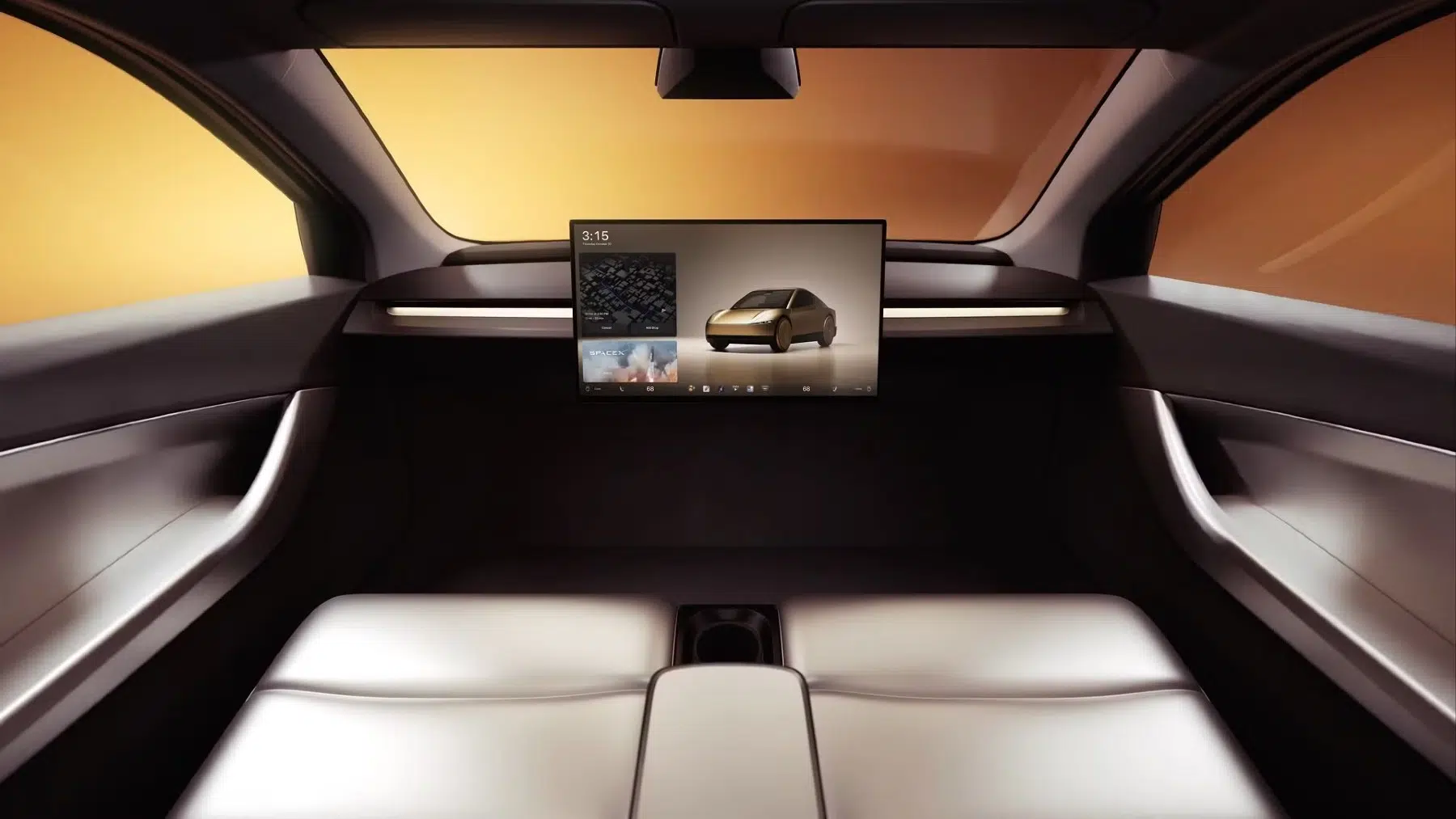
Austin has become a hotbed for driverless testing, with companies like Tesla and Waymo expanding operations. On June 22, Tesla launched a limited robotaxi service using its Model Y fleet. The cars operate without a human driver, meaning no one is physically present to take control — a model that falls squarely under the new law’s definition of fully driverless vehicles.
Waymo is also ramping up in Austin through its partnership with Uber. Unlike Tesla’s approach, which relies solely on cameras, Waymo uses a mix of Lidar, radar, and cameras—a more layered system built around redundancy. The difference reflects an ongoing industry divide: speed versus caution, minimalism versus backup—especially when securing DMV approval for broader deployment.
Competition tightens as oversight grows
Tesla’s push comes after years of missed deadlines. Elon Musk once promised a million robotaxis by 2020 and coast-to-coast trips without drivers by 2017. Tesla is entering a space where others are already ahead. Waymo, for example, is logging around 150,000 paid robotaxi rides per week in cities across the U.S. Cruise, despite being on pause following regulatory setbacks, had crossed 10 million driverless miles before hitting a wall. With stricter DMV approval processes now in place, the race for dominance in autonomous driving is getting more complicated.
Read the whole thing?
Get the week's signal, not the noise
Our sharpest reporting on energy, climate and nature — free, once a week.