A new country powered entirely by the sun sounds like a science fiction film.
However, as the world enters a new era of clean energy production, one fresh country may be about to change the way we think about energy. The recent climate disasters around the world have raised alarm bells as nations face increasing pressure from the public to address the issue.
Would you welcome a world powered by the sun?
How the world is turning to the green energy sector
The generational reliance on conventional energy production is coming to an end. That much can not be denied.
Oil and gas have served us well for the most part. Developing nations like this one into titans on the international stage comes at a cost. And not the kind of cost that can be easily recovered either.
Our impact on industrializing the world has not been an insignificant one.
In fact, the progress in advancing our society has led the world down a very dark road indeed. Wildfires, melting ice caps, and the earthquakes that have devastated parts of the world have been a direct result of our progress as a species.
The price of progress: A reality that can no longer be ignored
The realization that we are causing irreparable harm to our one and only home has led to a new era of clean energy production.
The expansion of the renewable energy sector has become a top priority as nations around the world aim to meet their self-imposed emission reduction targets. Most have made serious commitments to decarbonizing their energy industries by the end of the decade.
The question then becomes, what other options are available for large-scale power production?
Hydro power can certainly meet our energy needs, especially considering recent discoveries of freshwater reservoirs. However, the process is not a simple one and needs time to develop.
Other findings have pointed to the unexpected “dark side” of solar power.
Installing tidal turbines may seem like a solution, but they also impact the fish in the sea in unexpected ways. But one new country has been mulling over how to power its growth without the need to rely on the conventional oil and gas sector and instead soak up the sun for its energy needs.
An archipelago of new and clean power has become a possibility
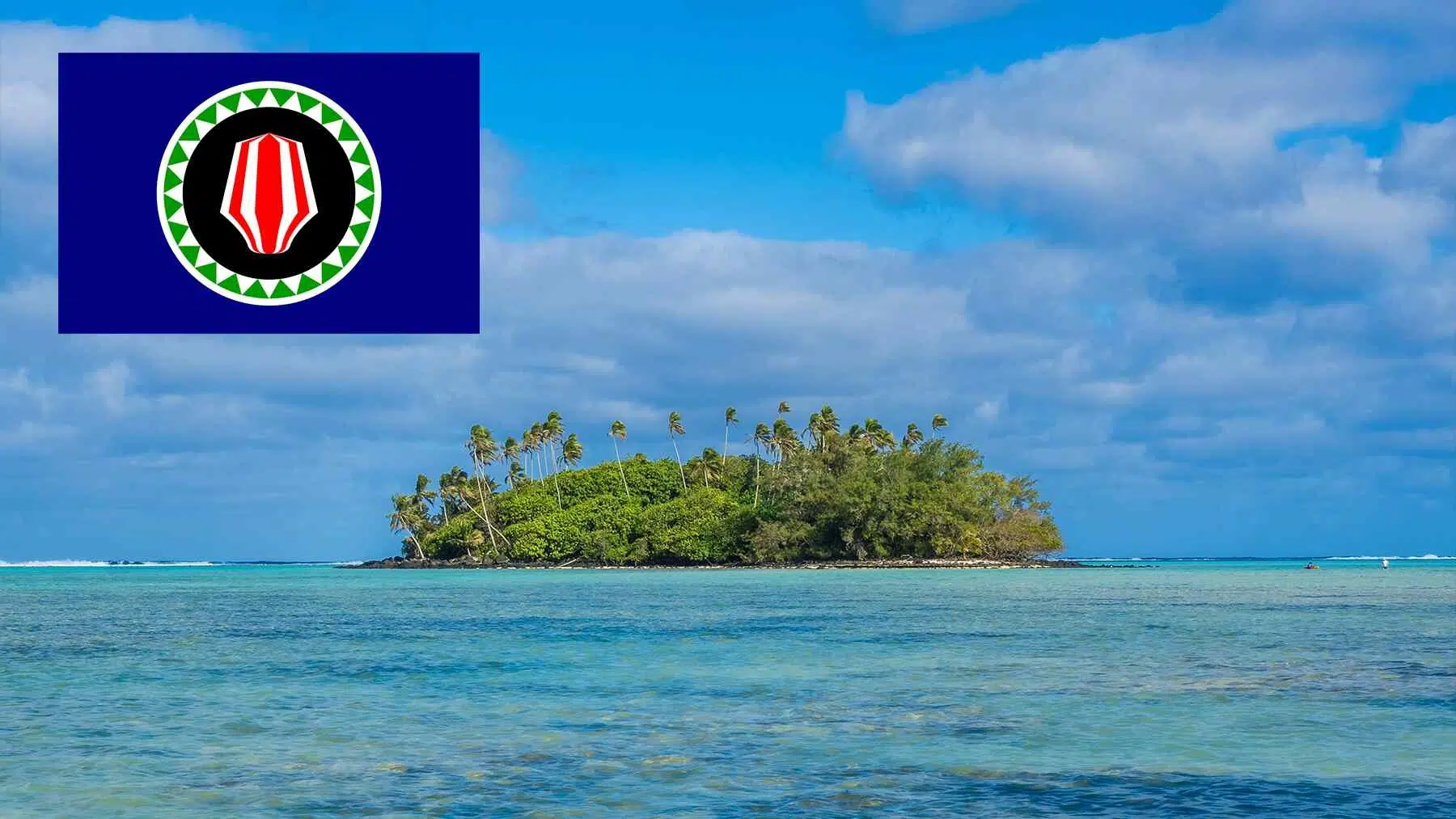
The tiny island of Bougainville recently held a referendum that saw it secede from Papua New Guinea.
In an overwhelming vote, roughly 98% of the island’s population voted in favor of independence. Now, the question for the newly minted nation is how to provide the power needed to advance as a nation.
In theory, it could take a lesson from another island nation in the South Pacific, Tokelau.
Tokelau has reached a significant landmark achievement as it recently became one of the first nations anywhere on the planet to produce 100 percent of its electricity from the sun.
A truly remarkable achievement for the New Zealand protectorate.
Can Bougainville take the initiative to follow the example of Tokelau?
The realization that both these islands would be the first to be submerged when sea levels rise to unprecedented heights means that Bougainville needs to at least consider the theory of getting all the power needed from the sun.
As advancements in solar power technology become more and more common, it would be foolish to ignore the potential of the sun. As the islands require significantly less power than that of our nation, the theory may carry some weight.
How would the world react if more and more nations turn to our star for energy?
Read the whole thing?
Get the week's signal, not the noise
Our sharpest reporting on energy, climate and nature — free, once a week.