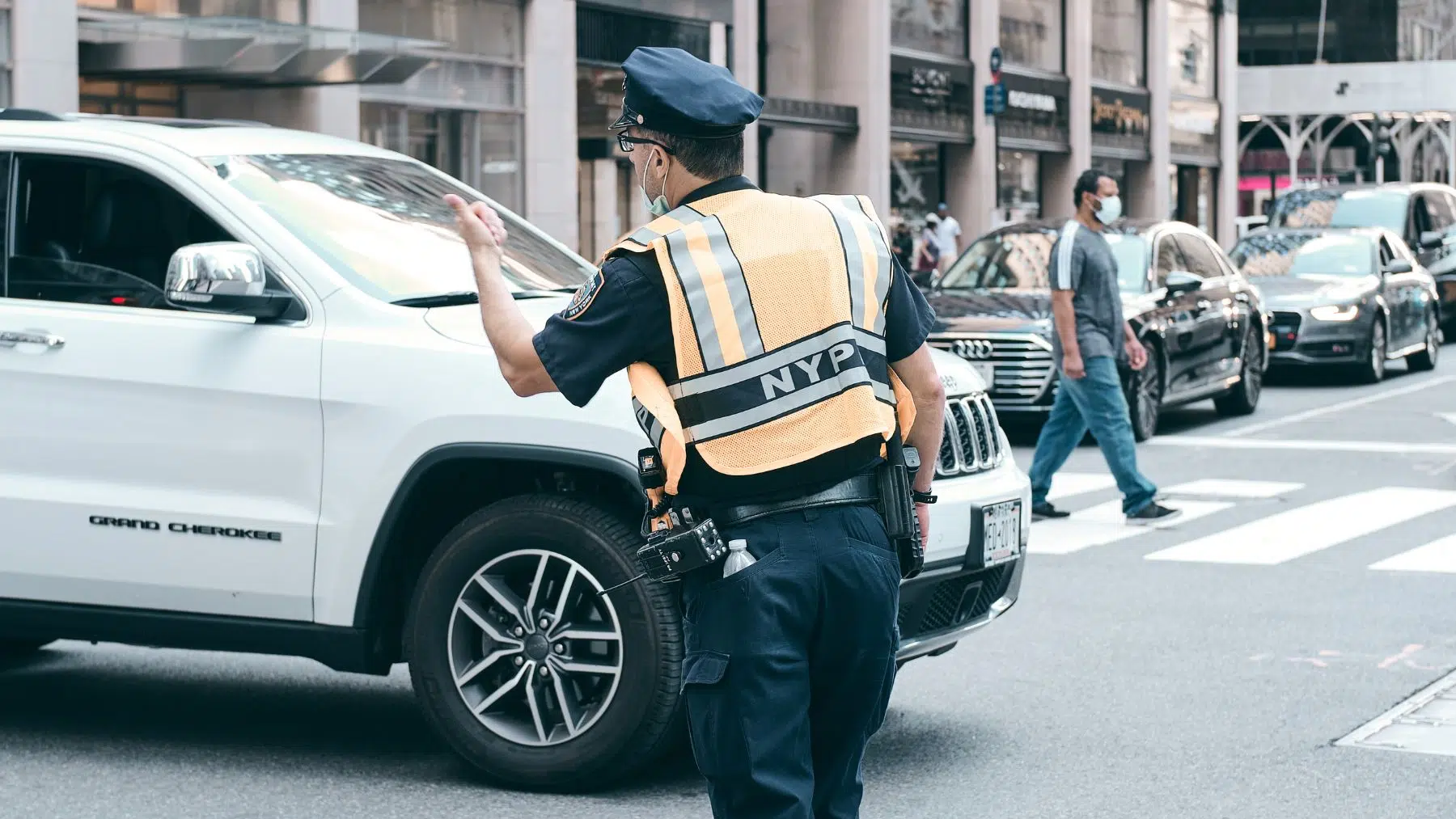
They didn’t “play fair” — at least, that’s how it can feel right now. Many New Yorkers consider themselves good drivers. No racing, no reckless moves, no serious trouble. And yet, more and more people are discovering that even small, everyday mistakes can now push them closer to losing their license. The rules haven’t just changed quietly. They’ve shifted in a way that makes the margin for error much smaller.
Being a “good driver” isn’t what it used to be
Across the United States, driving is no longer judged only by big, obvious mistakes. Instead, small actions add up. Every state uses a point system to track traffic violations. Each mistake carries a certain number of points, and once drivers cross a set limit, penalties follow.
For a long time, many drivers didn’t worry too much about this system. A ticket here, a warning there — annoying, but manageable. That sense of safety is starting to disappear. New laws across several states are tightening rules and increasing penalties, making it easier for drivers to get into serious trouble without realizing it.
A nationwide shift toward stricter roads
New York is not alone. Across the country, lawmakers are pushing for stricter road safety rules. California, for example, has rolled out several major updates this year. Speed limits near schools are being lowered. More speed cameras are being installed, especially in construction zones. Fines can now reach hundreds of dollars for violations that once seemed minor.
Other states are also cracking down on things that were often ignored before, such as license plate visibility or failure to follow specific traffic instructions. The message is clear: roads are being watched more closely, and tolerance is shrinking.
Why small mistakes now matter more than ever
For many drivers, the most frustrating part isn’t the rules themselves — it’s how fast things can escalate. A few small violations, spread out over time, can suddenly feel like a serious record.
Drivers who believe they are careful may still collect points without noticing. An illegal turn here. A missed move-over there. Equipment issues that once led to warnings now count against you. It creates a strange situation where people feel punished not for being reckless, but for not being perfect.
What New Yorkers are really facing now
This is where the real change comes in. New York has made the biggest update to its driver point system in more than 20 years. The goal, according to officials, is to identify risky drivers faster and reduce accidents. But the impact reaches far beyond obvious repeat offenders.
The license suspension threshold has changed. Instead of 11 points over 18 months, drivers now face suspension at 10 points over 24 months. That means points stay on your record longer, and mistakes stack up more easily. On top of that, several actions that didn’t previously carry points now do — including illegal U-turns, equipment violations, failure to move over for emergency vehicles, and obstructing traffic.
Violations are now grouped into tiers, with safety-critical actions carrying the highest point values. In short, it has become much easier for even “good drivers” to cross the line without realizing it.
Technology, tracking, and the road ahead
Alongside these rule changes, New York’s DMV is rolling out major technology upgrades to modernize its systems. Offices will temporarily close to install new infrastructure, and automated tools like speed and red-light cameras are becoming more common.
Automation has helped reduce accidents, but it also raises concerns. Other states, like Washington, are already passing laws to control how license plate readers and tracking systems are used. As technology becomes more involved in traffic enforcement, the balance between safety and privacy is still being negotiated.
For now, one thing is clear: driving rules are changing fast. And in today’s system, not “playing fair” doesn’t always mean driving dangerously — sometimes it just means falling behind the new rules.
Read the whole thing?
Get the week's signal, not the noise
Our sharpest reporting on energy, climate and nature — free, once a week.