For decades, this kind of energy felt like a bad joke. Always promised, never delivered. Every few years someone said “almost there”, and then nothing happened. People stopped paying attention. Some even stopped believing it was possible at all.
Waiting forever is exhausting. Especially when the lights still depend on weather, fuel prices, and political decisions. But lately, something has changed. Quietly. And for the first time in a long while, the waiting might actually make sense.
A world that never stops needing power
Modern life runs on electricity. Not just lights and phones, but servers, data centers, hospitals, factories, and entire digital systems that never sleep.
Demand keeps rising. Everything wants power, all the time. And interruptions are no longer just annoying. They’re expensive, and sometimes dangerous.
Energy today isn’t just about the environment. It’s about stability, reliability, and keeping a world online that refuses to slow down.
Why weather-based energy isn’t enough
Solar panels work great when the sun cooperates. Wind turbines do their job when the wind shows up. But nature doesn’t follow schedules.
Cloudy days. Calm nights. Long winters. All of them still need backup power. Batteries help, but they don’t solve everything — especially when entire cities or massive digital systems are involved.
So the question keeps coming back:
What happens when the weather doesn’t help?
The dream people stopped talking about
There has always been one idea that sounded too good to be real. An energy source that doesn’t care about clouds, wind, or time of day. One that runs day and night, summer and winter.
The problem was simple. It always felt just out of reach. Technically impressive, scientifically fascinating, but never practical. Something for labs, not for real life.
Most people quietly moved on.
Why this time feels different
Now the approach has changed. Instead of massive, slow projects, the focus is on smaller, faster, more practical systems. The goal is no longer perfection — it’s getting something working.
Progress isn’t loud. There are no dramatic headlines. But behind the scenes, real milestones are being reached. And timelines are no longer measured in decades.
They’re measured in years.
This is where fusion energy and SPARC enter the story
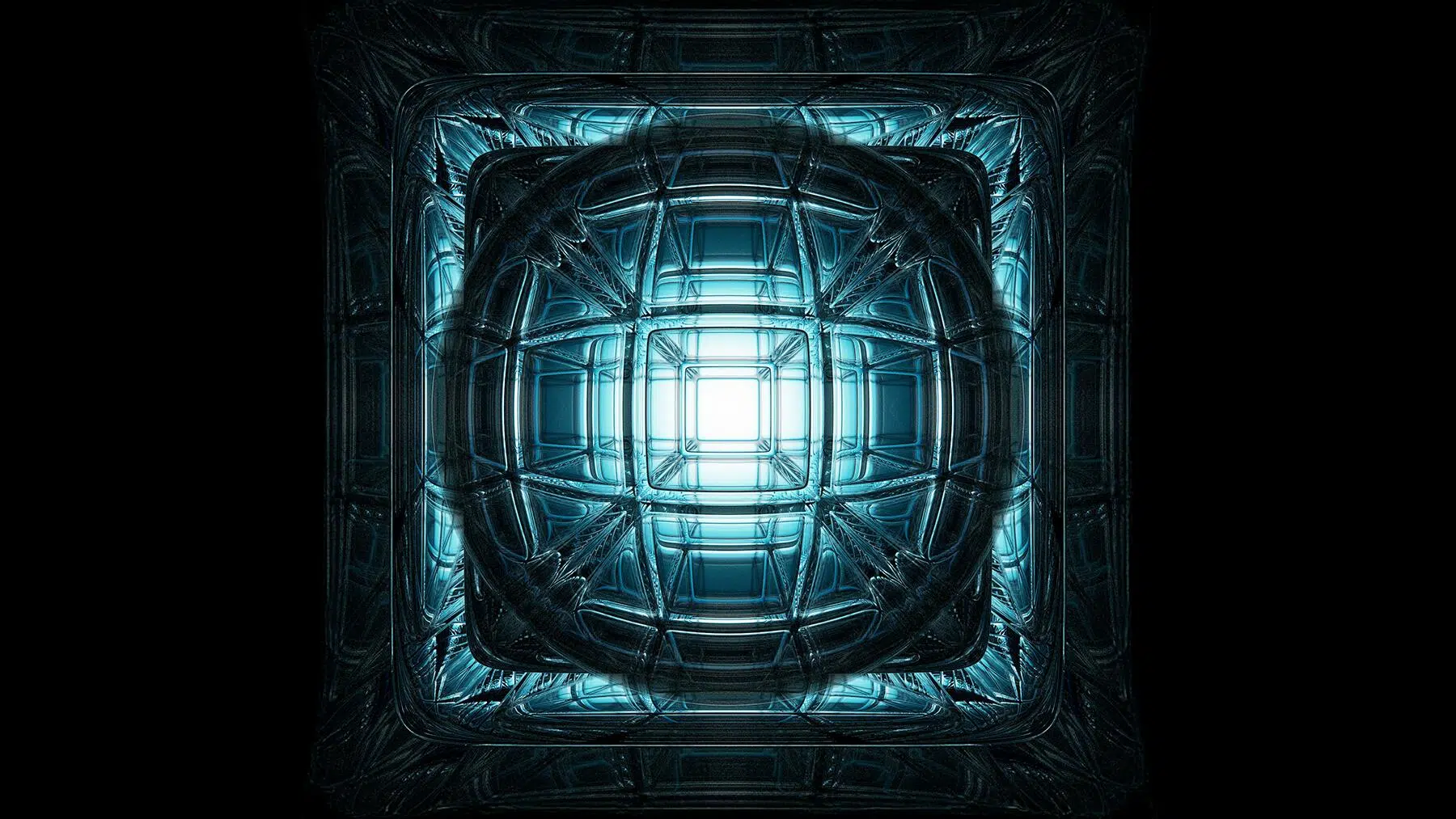
The energy everyone waited for is nuclear fusion, and the project changing the conversation is called SPARC. It’s being built by Commonwealth Fusion Systems, a company that came out of MIT.
Unlike older fusion experiments, SPARC is compact, commercially focused, and designed to produce more energy than it consumes — a goal scientists have chased for decades.
This is made possible by a new generation of powerful superconducting magnets, strong enough to control extreme heat in a much smaller space. Smaller size means faster construction, lower costs, and a real path to use.
Why this could change everything
Fusion doesn’t depend on weather. It doesn’t shut down at night. It delivers huge amounts of energy with no carbon emissions and minimal long-term waste.
That makes it ideal for data centers, AI training, cloud computing, and internet infrastructure, all of which already consume massive power.
If SPARC and its follow-up plants succeed, fusion could support the digital world directly — not someday, but within this decade.
For the first time, the long wait might actually pay off.
Endless power. Any weather. No excuses.
And suddenly, the future doesn’t feel so far away anymore.
Read the whole thing?
Get the week's signal, not the noise
Our sharpest reporting on energy, climate and nature — free, once a week.