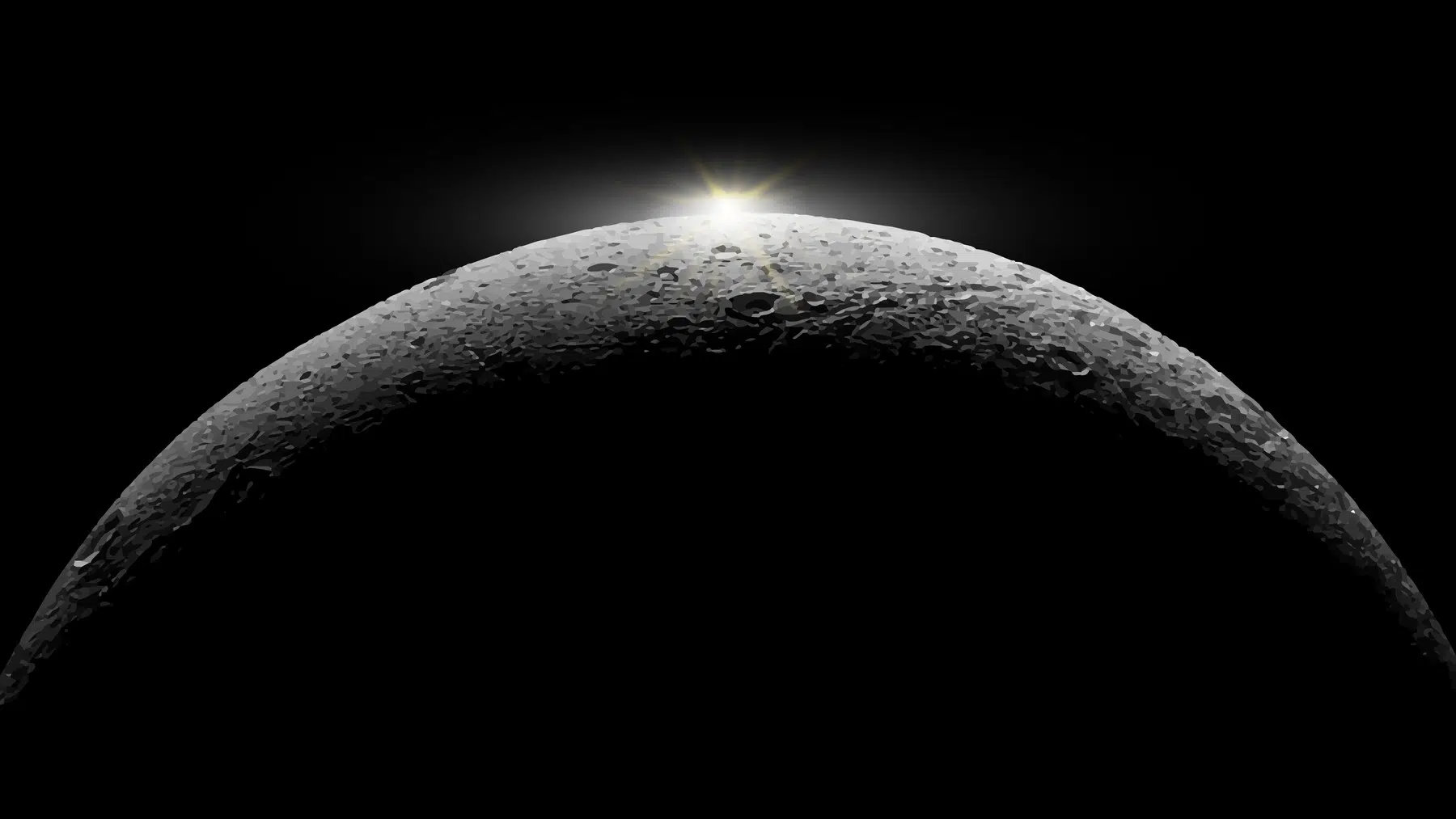
NASA does not usually get worried whenever there is an object speeding through space. However, one particular object has raised NASA’s eyebrows because it might pose a threat to the Moon. This object is an asteroid called Asteroid 2024 YR4. Asteroid 2024 YR4 has grabbed a lot of attention from NASA and the scientific community. At first, it was said to be a threat to Earth and that the rock might impact the planet in 2032. However, scientists ruled that out and declared that we are off the hook. Recently, NASA and its scientists have reported that the asteroid’s threat is targeting the Moon.
Asteroid 2024 YR4, and why it has NASA’s and scientists’ attention so much
Since its discovery in 2024, researchers have been keeping an eye on it, and although it is 360 feet (110 metres) in diameter, it has the potential to cause some harm if it collides with something. Besides its size and speed, its orbit is one of the things that made it an intriguing discovery. According to research, asteroid 2024 YR4 is a member of the Apollo asteroids class, which crosses Earth’s orbit and sometimes comes dangerously close to the Moon.
The Economic Times reported that the asteroid is on its way towards the Moon right now and could potentially crash into the Moon with a risk factor of around 1.7%. Although scientists declared that the chance of this happening is quite low, it still calls for attention. Additionally, the timeframe is the same as was mentioned when the asteroid was expected to crash into Earth, that being, December 2032.
Although a collision would be uncommon, NASA couldn’t have asked for a worse time
NASA has a soft spot for the Moon and while the chances are slim for this to occur, the timing is bad. NASA is planning on returning humans to the Moon under The Artemis programme. Now, NASA is worried about upcoming risk to the Moon because the Asteroid 2024 YR4 might just disturb everything, whether or not it is close. Seismic activity, surface stability, or even communications equipment will be affected for future missions.
According to the Houston Chronicle, NASA’s Planetary Defence Officer Emeritus Lindley Johnson said that an asteroid of this magnitude striking the Moon is an extremely rare occurrence that happens roughly once in 1000 years, as reported by The Economic Times. Previous analyses had suggested 2024 YR4 had a 4.3% chance of lunar impact on that date, though updated observations have since refined that figure. 2024 YR4 is different from the harmless asteroids; NASA should be careful.
Could Earth also be in danger? This is NASA’s opinion
Although Earth has been ruled out of this “mess”, it does make us wonder if we are really safe. The Moon is very close to Earth and what happens if the asteroid changes direction and heads towards the Earth? Scientists claim that YR4 will pass at a safe distance from both Earth and the Moon and because it has been tracked for years now, scientists can foresee its movements with accuracy.
NASA added on to say that, according to The Economic Times, Earth won’t be impacted, but the impact might produce meteorite debris and a sizable crater. Future lunar expeditions, as well as man-made equipment and other items on the Moon’s surface, may be at risk from this material. Whether or not the Asteroid 2024 YR4 crashes into the Moon, this is a wake-up call for the scientific community to keep track of space activities and prepare for celestial threats. NASA plans to utilise the JWST telescope to trace and examine the asteroid before it disappears in the next few weeks and reappears again in 2028.
Read the whole thing?
Get the week's signal, not the noise
Our sharpest reporting on energy, climate and nature — free, once a week.