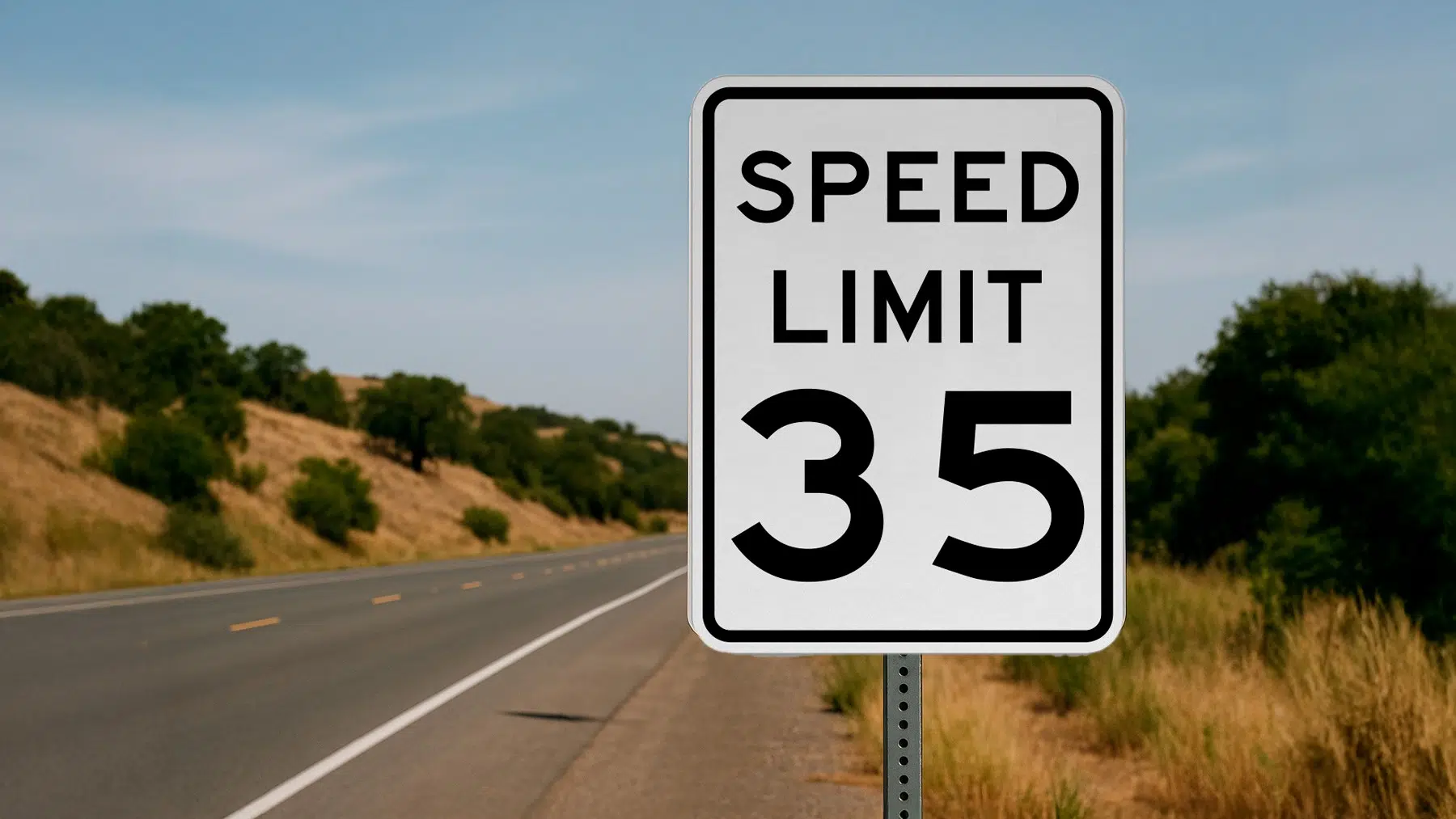
Speed traps are now a real thing—and states are funding these projects not with taxes, but with speeding fines. As the need to curb reckless driving increases across the United States, major states and cities are creating their own laws and advocating for a future with fewer fatal accidents than in the past. Cameras are leading this revolution, and speeders can no longer escape fines. This measure is designed not only to protect other drivers but also pedestrians—especially in school zones.
Numbers of accidents were through the roof
A study by the Transportation Research Board found that in 2023 alone, more than 25,000 children were injured in accidents caused by drivers exceeding the speed limit in school areas. The goal is to create a safer environment for kids, and adding cameras to a heavily trafficked stretch of road in Connecticut may be part of the solution.
On a small stretch of Route 66 in Connecticut, speed trap cameras were installed and officially went live on July 1st. Middletown has become the first city in Connecticut to install an automated speed camera — and it’s already operational.
Speed trap device in Connecticut
The speed trap device was placed along Route 66 in Middletown, also known as Washington Street, right between Woodgate Drive and George Street. That stretch sees heavy traffic daily, with a 35 mph speed limit as drivers head toward or out of the city’s business district. The camera is monitoring both directions — eastbound toward downtown and westbound heading to Middlefield and Meriden.
This is not a random location. The City of Middletown Police Department’s statement on traffic enforcement cameras showed that around 30,000 vehicles pass through that area every day. Data from April revealed that about three out of four drivers were going at least 10 mph over the speed limit. The worst case? Someone flying by at 73 mph.
The location of the speed trap was chosen to help drivers slow down as they approach the retail area near Camp Street — a stretch of road that dips downhill. It is also a tricky intersection where a red light crosses Washington Street, and traffic tends to build up. Slowing cars in that area is one of the goals of the Safe Streets for All Safety Action Plan.
Warning period and fine
To ease into the change, the city set a warning period starting July 1st. Anyone caught speeding during that time — meaning driving more than 10 mph over the limit — will receive a warning instead of a fine. However, starting July 7, fines will be imposed: $50 for the first offense, and $75 for each subsequent offense.
Middletown is not stopping at one speed trap camera. Two more are already in the works — one near Moody Elementary on Country Club Road and another near Spencer Elementary on Westfield Street. These spots were picked to make things safer in school zones where kids cross the street every day.
The project will pay itself in a couple of years
As for costs, none of the funding for the speed trap cameras came from taxpayers. The city owns the cameras, but the fines are what will pay for everything — from maintenance to ticket processing. The camera provider receives $15 per violation to cover those services. Once a ticket is settled in court, the driver’s personal data is erased from the system, with only the license plate number kept on record.
Money from the fines will be reinvested in the city. Most of it will help Public Works with road repairs, new signage, curb work, and pedestrian safety improvements. Some of it will also go toward traffic safety programs — things like mobile speed signs, training, and public awareness efforts around distracted driving.
Read the whole thing?
Get the week's signal, not the noise
Our sharpest reporting on energy, climate and nature — free, once a week.