
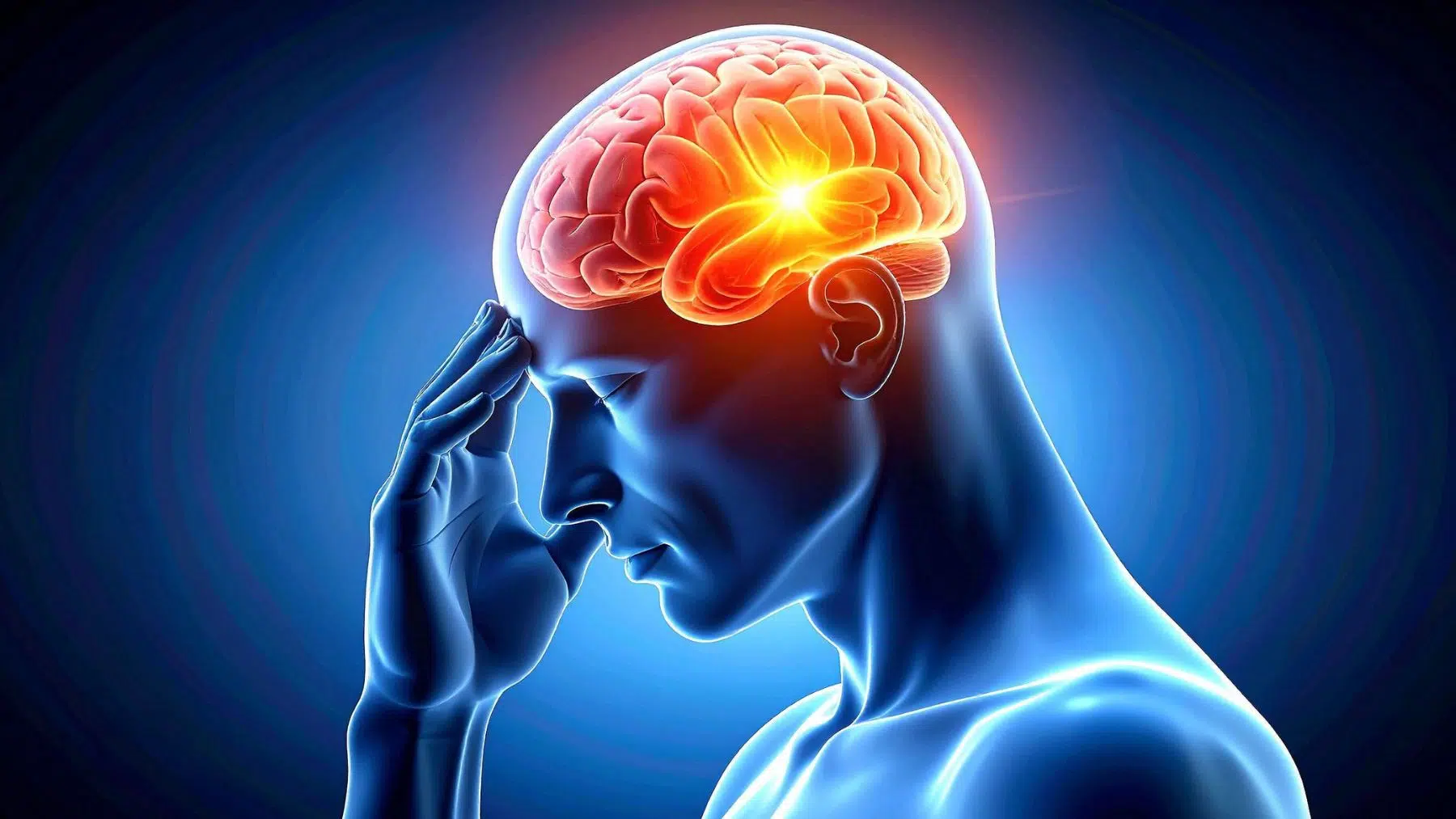
Most people think loneliness is just a feeling. Something emotional. Something temporary. A quiet weekend. A phase after a breakup. A period of distance.
But scientists are now warning that loneliness is more than just an emotion. It can shape the way the brain reacts, processes information, and even protects the body. And the changes are not only psychological. They are biological.
The human brain was never designed to be alone
For most of human history, survival depended on social connection. Early humans lived in groups. They hunted together, protected each other, and raised children as a community.
Being alone thousands of years ago was dangerous. Isolation meant vulnerability. The brain adapted to treat social separation as a threat. That ancient survival system still exists today.
When a person feels chronically lonely, the brain may activate stress responses similar to physical danger. Heart rate can increase. Stress hormones like cortisol can rise. Sleep patterns can shift. What feels like sadness can slowly become a constant state of alertness.
Why loneliness can feel like physical pain
Have you ever felt rejected and noticed it actually hurt? That is not imagination.
Brain imaging studies show that the same regions activated during physical pain can also become active during social rejection. The brain does not fully separate emotional pain from physical pain.
This explains why exclusion feels sharp. Why heartbreak feels heavy. Why isolation can feel exhausting. The brain treats social disconnection as something urgent. But scientists have discovered something even more concerning.
Loneliness may change how we see other people
Long-term loneliness does not just create stress. It may influence how the brain interprets social situations.
Some studies suggest that people who feel chronically lonely become more sensitive to negative social signals. A neutral facial expression may be perceived as unfriendly. A delayed message may feel like rejection.
This can create a cycle. The more someone expects rejection, the more cautious or withdrawn they become. The more they withdraw, the stronger the feeling of isolation grows.
Over time, the brain may adapt to expect disconnection instead of belonging.
The health risks are larger than most people realize
Loneliness is not only about mood. According to the U.S. Surgeon General’s Advisory on Social Connection (Our Epidemic of Loneliness and Isolation), chronic loneliness is associated with increased risk of heart disease, stroke, depression, anxiety, and even premature death.
Some researchers compare the health impact of long-term loneliness to smoking multiple cigarettes per day.
The body stays in a mild but constant stress state. Inflammation levels may rise. Immune response can weaken. Over years, that strain adds up.
This is why experts now describe loneliness as a public health issue, not just a personal struggle.
The surprising truth about the brain and isolation
Here is the key discovery: loneliness does not just affect emotions. It can influence how the brain functions over time.
Chronic isolation may alter neural pathways involved in stress regulation, emotional processing, and social interpretation. In simple words, the brain begins adapting to isolation as if it were the normal state.
But there is an important second part to this story. The brain is also highly adaptable.
Why connection can rewire the brain again
The human brain has something called neuroplasticity. That means it can reorganize itself based on experience.
Positive social interaction strengthens different neural pathways. Trust, safety, and emotional bonding can calm stress circuits. Community involvement can reduce cortisol levels. Even small daily interactions — conversations, eye contact, shared activities — help regulate the nervous system.
Connection is not just comforting. It is protective.
Loneliness may change the brain. But meaningful relationships can change it back.
Understanding this shifts how we see social connection. It is not a luxury. It is not optional. It is part of human biology.
In a world that is becoming more digital and more isolated, this discovery may be one of the most important findings in modern human science. Because in the end, the brain is not built to survive alone.
Read the whole thing?
Get the week's signal, not the noise
Our sharpest reporting on energy, climate and nature — free, once a week.


