Workers at a large solar site in England believed the fencing was working properly.
The solar panels remained secure, and wildlife stayed outside the site.
From a distance, everything appeared normal.
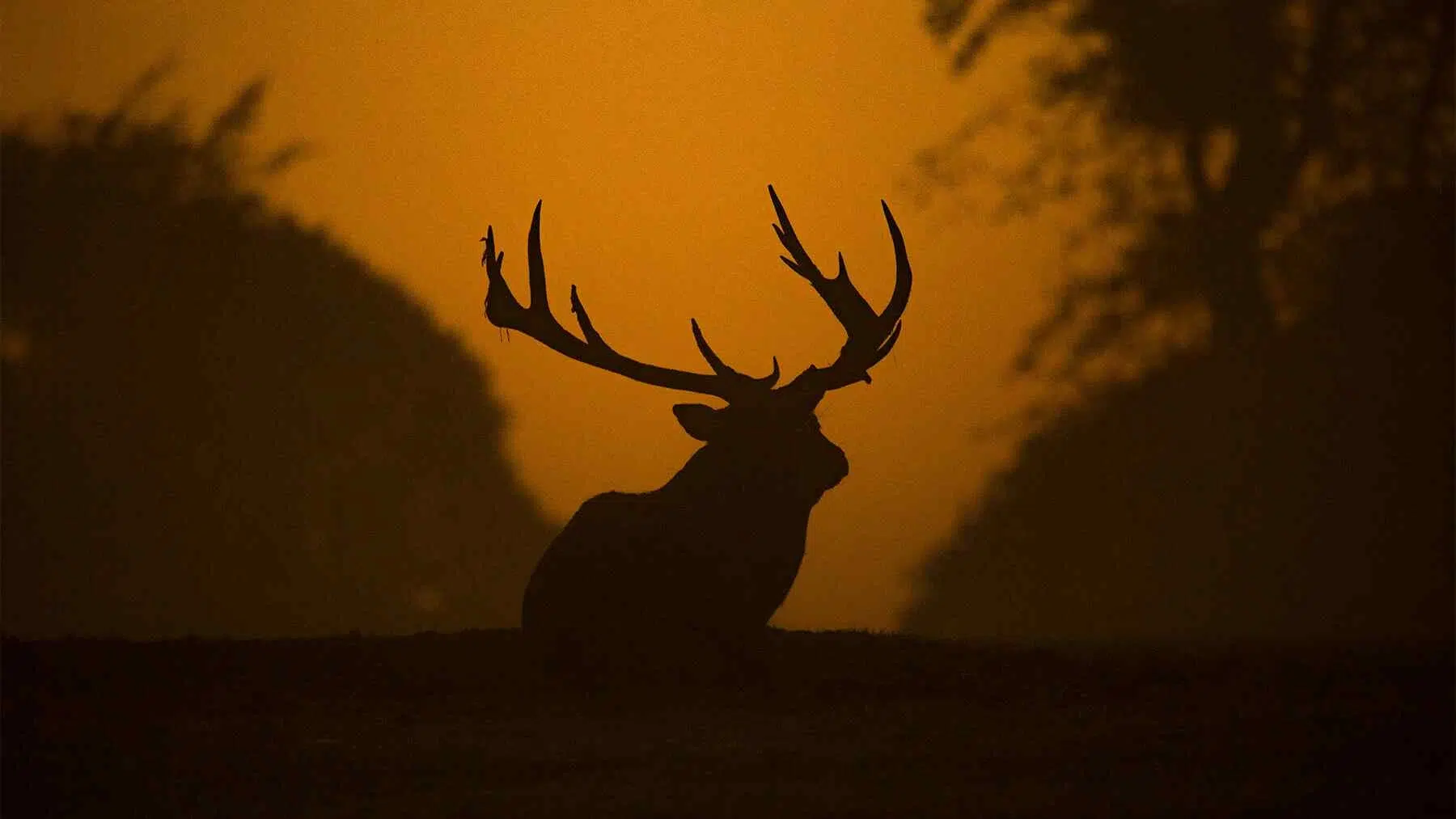
Then reports emerged about deer becoming trapped inside the facility.
Some animals paced near the perimeter for hours.
Others appeared exhausted after repeated escape attempts.
At first, many people blamed the solar farm itself.
The panels looked like the obvious problem.
But investigators eventually realized the real danger had little to do with solar technology at all.
Something else had turned the site into a confusing dead end for wildlife.
What led the deer to get stuck at this particular solar farm?
Why people initially thought the solar farm was harming deer
The concern started after witnesses spotted deer moving frantically inside fenced areas surrounding the site.
Videos and photographs circulated online.
Some animals appeared trapped between rows of equipment with no visible escape route.
Criticism spread quickly after reports about the trapped deer appeared.
Many people assumed the solar site had disrupted local wildlife movement.
Large renewable-energy projects already face concerns about habitat fragmentation.
That helped the accusations gain attention rapidly.
However, animal welfare groups noticed an important detail during their investigation.
The deer were not being harmed by the solar panels or equipment.
Instead, the main problem involved how the animals moved through the fenced area.
Once deer entered certain parts of the site, escaping became unexpectedly difficult.
High fencing surrounded much of the perimeter.
Internal layouts also created narrow movement corridors that confused panicked animals.
Instead of finding openings, deer often doubled back repeatedly along barriers.
That exhaustion increased the danger dramatically.
Wildlife advocates warned the situation could worsen unless the site changed how animals moved through the area.
What investigators discovered inside the fenced site
Conservationists later identified fencing design as the main problem.
The barriers were supposed to secure the infrastructure and prevent unauthorized access.
But they also disrupted natural escape behavior used by deer under stress.
Deer normally rely on open movement routes when startled.
Inside the solar site, those paths disappeared.
Animals could enter through certain gaps or unfinished sections.
Leaving again proved far harder.
Some deer became trapped between fencing lines and rows of solar infrastructure.
Witnesses described animals repeatedly searching for exits while avoiding humans and machinery.
That behavior turned the site into what campaigners called a maze.
Importantly, the problem was not permanent.
Wildlife organizations contacted the company operating the solar farm and pushed for immediate changes.
Public attention increased quickly afterward.
Campaigners argued that simple modifications could reduce the danger significantly.
Eventually, discussions between the company and wildlife groups led to a response.
The operator agreed to take action aimed at helping trapped deer escape safely.
That outcome shifted the story entirely.
The controversy stopped being only about trapped wildlife.
It became about whether renewable-energy sites could adapt responsibly once problems appeared.
And the result has been detailed in the Protect the Wild publication.
What the “real trap” actually was for the deer in England
Investigators concluded the danger came from the fencing layout surrounding the solar farm rather than the panels themselves.
The barriers disrupted normal escape routes and caused deer to become disoriented once inside the site.
Instead of finding clear exits, animals often moved deeper into enclosed sections.
The company agreed to introduce measures designed to free trapped deer and reduce future incidents.
The operator committed to creating escape points and improving how wildlife moved around the site.
That response helped several trapped animals leave safely.
The case became an example of how renewable-energy projects can create unintended wildlife problems.
But it also showed something else.
The issue was not ignored once identified.
The company eventually worked with campaigners rather than against them.
And for the deer, that cooperation likely made the difference between survival and exhaustion.
Disclaimer: Our coverage of events affecting companies is purely informative and descriptive. Under no circumstances does it seek to promote an opinion or create a trend, nor can it be taken as investment advice or a recommendation of any kind.
Read the whole thing?
Get the week's signal, not the noise
Our sharpest reporting on energy, climate and nature — free, once a week.