
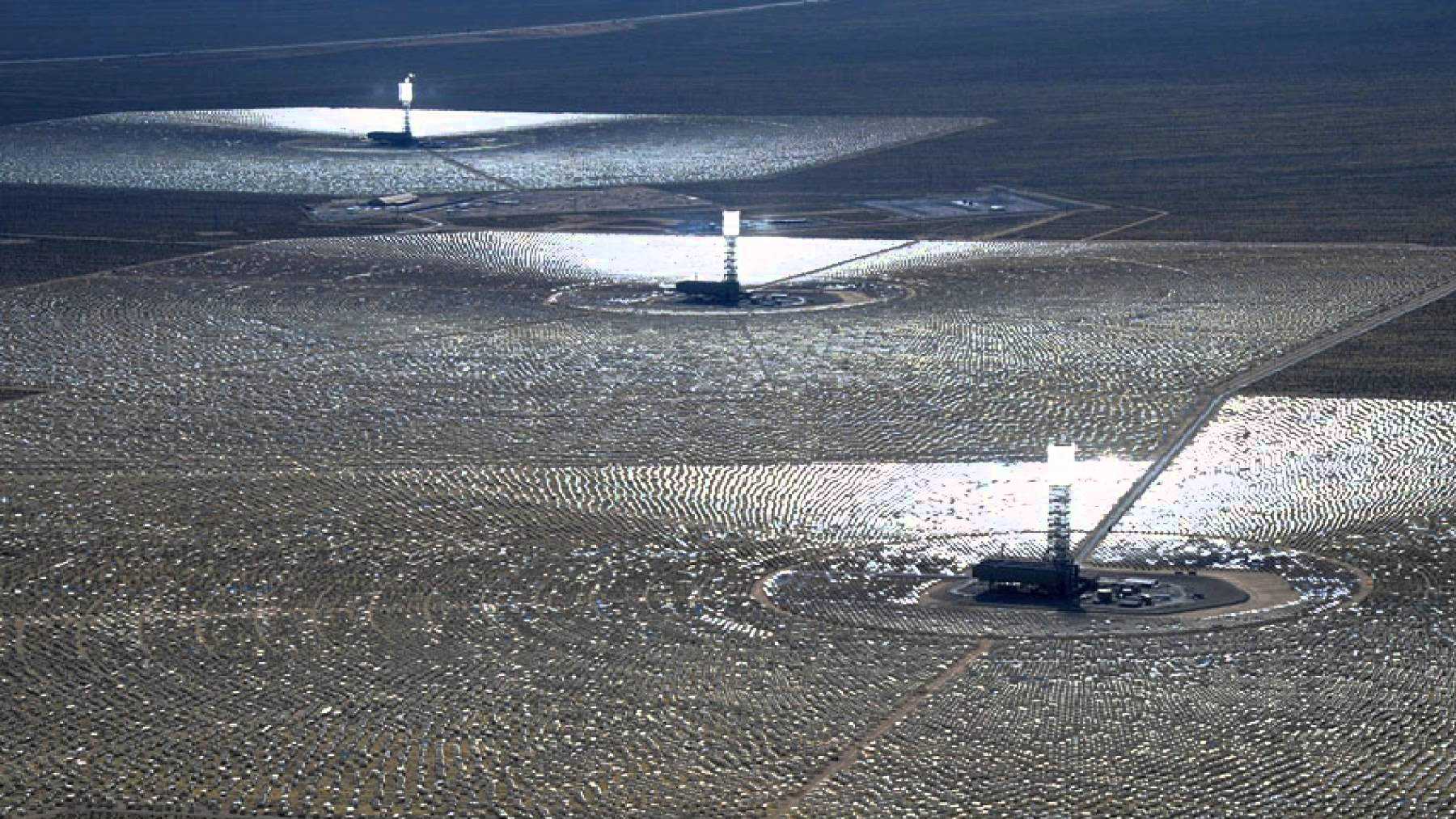
A massive solar installation in the Mojave Desert, using 350,000 computer-controlled mirrors, is heading for partial closure just 11 years after going into operation. The Ivanpah installation was once the largest project of its kind in the world, but its future is bleak. Not only has the output dropped, but environmentalists are up in arms about thousands of wildlife deaths caused by the expansive plant.
A solar-thermal plant is dying in the Mojave Desert
The Ivanpah solar installation is situated on five square miles of federal land along the California-Nevada border and was formally opened in 2014. At the time that it went into operation just over a decade ago, it was hailed as a breakthrough in the transition to renewable energy and hopes were here that the plant would serve as a model for similar endeavors for many years in the future.
Unfortunately, the plant is suffering under competition from cheaper solutions due to the rapid development of solar technologies, and it’s unlikely that the Ivanpah installation can draw new supply contracts.
2 Major utility companies are dropping contracts
Pacific Gas & Electric, one of the biggest utility companies in the United States, has already pulled the plug on its contract with the Ivanpah owners, one of which is NRG Energy Inc. The contract was expected to run until 2039. PG&E announced in a statement that the closing deal still needed to be approved by industry regulators, but if it is, two of the plant’s three units will start being shut down in 2026.
A statement on the PG&E website hinted that the decision is ultimately the best for the consumer:
“PG&E determined that ending the agreements at this time will save customers money.”
Southern California Edison is the other utility that buys the remaining power from the three-unit plant. Ivanpah is also in discussions with its owners and the United States Department of Energy regarding a buyout of the contract.
Why has Ivanpah failed?
The Ivanpah plant’s failure is a particularly sore one in terms of both financial and environmental costs, but at the time it was installed, it was a beacon in the industry and the technology was cutting-edge.
The Ivanpah plant uses solar-thermal technology, also called concentrated solar. This involves drawing energy from 350,000 computer-controlled mirrors, each about the size of a garage door, that reflect directed sunlight to boilers placed on top of 459-foot towers. This energy is used to heat water in the boilers’ tubes to produce steam, which then drives turbines to generate electrical power.
The development of photovoltaics is the biggest factor
NRG Energy Inc. explained in a statement that the Ivanpah project was successful in that it functioned well and delivered the capacity that it promised. However, the rapid development of smaller, lighter photovoltaic technology and materials means that other generation systems—such as rooftop panels—have lower operating costs and require less capital. This translates into Ivanpah’s electricity being too expensive in comparison to other sources.
NRG explained:
“The prices were competitive but advancements over time in photovoltaics and battery storage have led to more efficient, cost effective, and flexible options for producing reliable, clean energy.”
A post on the PG&E website said that Ivanpah’s technology had also been put to work on a smaller scale in Europe, but over time, it couldn’t match the lower prices of photovoltaic technology.
A different solar project underway in the US is California’s solar train project. When it’s up and running, the United States will be the first country in the world with a completely solar-powered bullet train network.
Ivanpah has been slammed for harm to the environment
The Mojave Desert region where the Ivanpah plant was installed is environmentally sensitive and the large-scale energy production operations have done significant damage to fauna and flora. Conservationists had tried to halt the construction of the solar farm while it was still in the planning stages over threats to the tortoise population in the area, to no avail.
Environmentalists claim that thousands of birds have been incinerated by the powerful rays from the plant’s mirrors and vast numbers of tortoise fatalities have also been recorded. Julia Dowell of the Sierra Club, one of the oldest environmental organizations in the US, expressed her dismay:
“The Ivanpah plant was a financial boondoggle and environmental disaster. Along with killing thousands of birds and tortoises, the project’s construction destroyed irreplaceable pristine desert habitat along with numerous rare plant species. While the Sierra Club strongly supports innovative clean energy solutions and recognizes the urgent need to transition away from fossil fuels, Ivanpah demonstrated that not all renewable technologies are created equal.”
The Ivanpah developers know that hindsight is 20/20 and many decisions would have been made differently if the future involving photovoltaics had been predicted. Sadly, this wasn’t possible and a giant of the solar electricity production world has fallen.
In more positive news out of the solar sector, researchers at Stanford University believe they’ve got the answer to the biggest problem with solar power generation systems—their inability to work at night. The research team has been working on groundbreaking technology that draws on a phenomenon that takes place after the sun has set.
Read the whole thing?
Get the week's signal, not the noise
Our sharpest reporting on energy, climate and nature — free, once a week.


