
Keeping drivers under the speed limit has always been an issue. Ever since the first car was invented, laws to regulate speed on dirt roads with changes in elevation, which are dangerous at high speeds, were also created. Over time, asphalt became a common material, and from that moment on, unpaved roads became safer for drivers, but speed limits had to be enforced by law as well. Now, drivers in Pennsylvania and Wyoming may have to drive even slower.
Will the law change in these states?
In March 2025 alone, car crashes claimed 3,330 lives in the U.S., according to the National Safety Council — a slight increase from the same month last year. Behind those numbers is a familiar cause: speed. Nearly 29% of all traffic deaths come from drivers going too fast. The second-biggest cause is distraction.
Whether it’s a text message, a phone call, or just switching the radio station, distracted driving leads to thousands of deaths each year. The CDC estimates around 3,000 people die annually because someone behind the wheel wasn’t fully paying attention. On dirt roads, proposed new rules would now require people to drive slower.
Proposed speed limit change in Pennsylvania
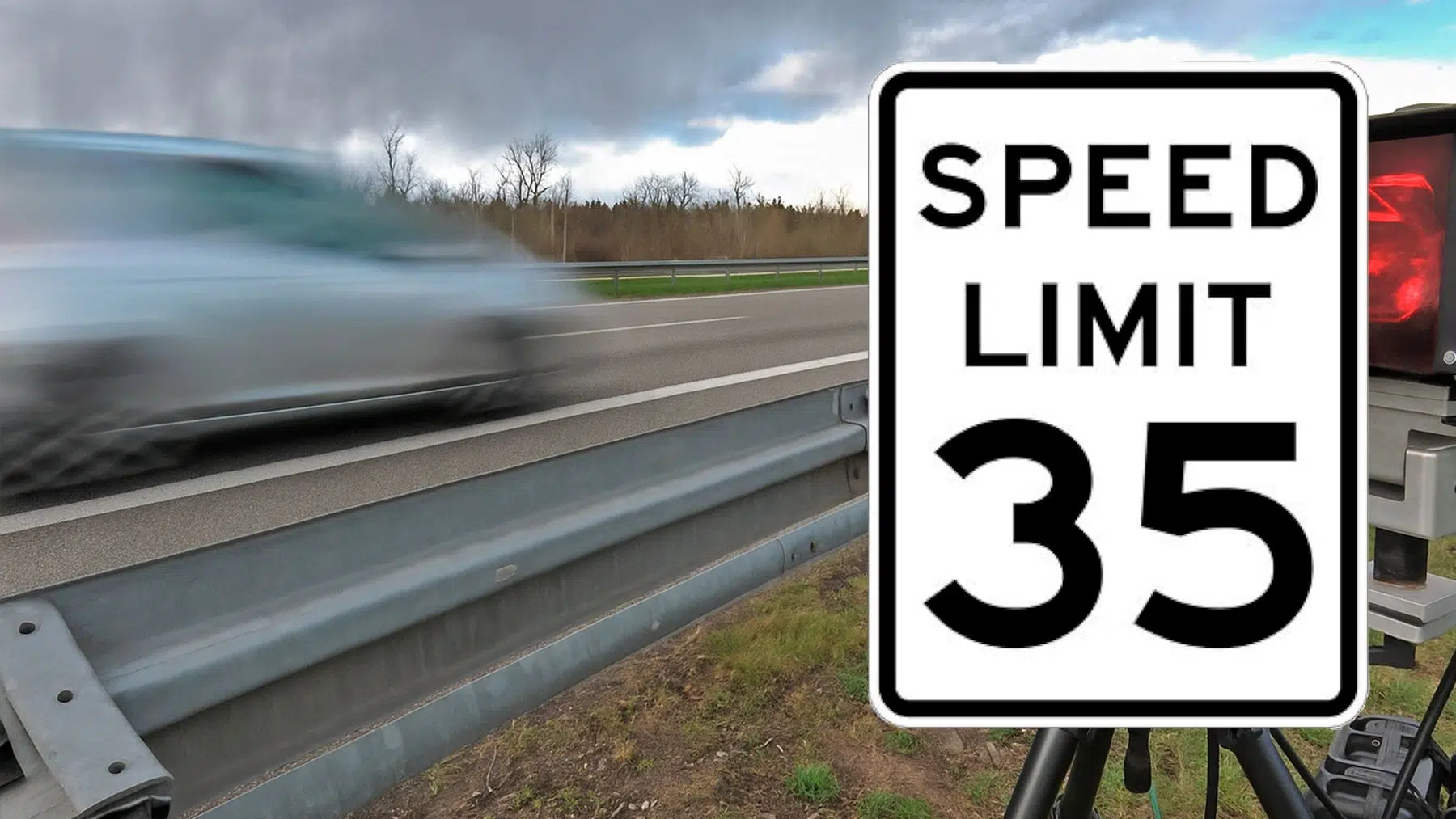
In Warren County, dirt roads aren’t just a path — they’re part of daily life. And now, one local lawmaker thinks drivers should slow down a bit on them. State Senator Scott Hutchinson, from Oil City, is pushing to cut the speed limit on dirt and gravel roads from 55 to 35 miles per hour. His reasoning is simple: dust, rocks, and common sense.
“High speeds on these roads can kick up debris, damage cars, and wear the roads out faster,” Hutchinson wrote in a memo backing his bill. He says slowing down would make things safer for everyone and ease the constant maintenance these roads demand. This isn’t just a Pennsylvania issue. States across the country are rethinking how fast is too fast on unpaved roads — especially in rural areas where traffic is sparse, but the damage adds up.
Wyoming is also considering a speed limit change
In Wyoming, lawmakers are working on a similar idea. Earlier this year, the state’s House passed the Wyoming Senate File 0032 bill that would let county governments lower speed limits on dirt roads without going through a formal traffic study. Right now, they need that study to make any changes.
The proposed law would give counties power to reduce the limit from 55 to 45 mph, with extra restrictions possible for trucks and trailers. That bill is still under review in the state Senate. Other states have already made changes. In Virginia, for example, 35 mph is the default speed for non-paved roads — unless local officials decide otherwise and post new signs.
But in much of the U.S., dirt and gravel roads still carry the same 55 mph limit as paved highways. For drivers used to open space and no traffic, that might feel normal. But as rural infrastructure ages and communities push for safer, cleaner roads, that speed may not stick around much longer.
Pennsylvania also changes its laws on handheld devices
Pennsylvania has officially joined 28 other states in cracking down on distracted driving. Under the new law, anyone caught holding a phone while behind the wheel can be pulled over — no other violation required. The ban on handheld devices takes effect starting June 5. But for the first year, drivers will only get a warning if they’re caught with a phone in hand. After that grace period ends in 2026, the real penalties kick in: a $50 fine, plus court costs and additional fees.
Read the whole thing?
Get the week's signal, not the noise
Our sharpest reporting on energy, climate and nature — free, once a week.


