Historically, winter has been defined by snow and cold. However, in certain cases, as we may soon see, atmospheric forces can interfere and alter its balance. Consequently, certain regions experience winter more than others. A recent report from the NOAA has observed this phenomenon and predicts that it is likely to occur in 7 states.
An overview of NOAA seasonal forecasts
We live on a dynamic planet that is governed by seasonal and atmospheric changes. Sometimes these changes can overcome Earth by periodic or unexpected magnitude. However, in order to stay ahead, weather agencies like the National Oceanic and Atmospheric Administration (NOAA) carry out constant analysis and observations.
Most times, the analysis may not be able to exactly predict the occurrence and magnitude of an event. Yet, they have helped us map atmospheric tendencies across the globe. One of the most used tools by scientists at NOAA is the 6-10 day outlook. It offers scientists a forecast of temperature and precipitation on a probability basis.
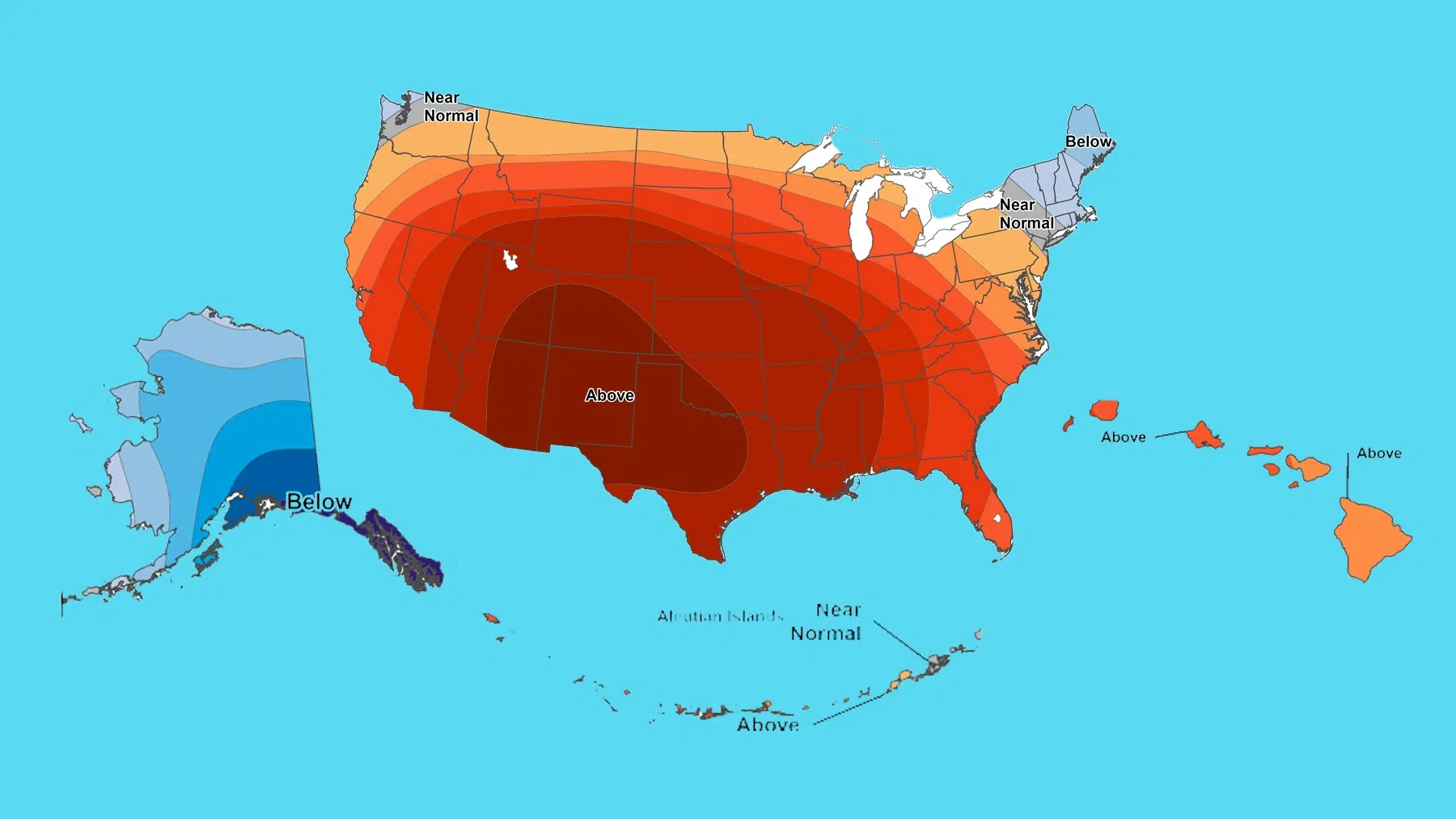
When these forecasts are analyzed, scientists can predict regions with above-average or below-average precipitation. Recently, NOAA conducted its outlook from December 22 to 26. Based on their analysis, they discovered persistent atmospheric conditions that may cause winter to appear warmer and drier than usual.
NOAA warns 7 states may experience winter differently
NOAA has released a warning to the general public following their precipitation outlook. Out of all the states in the United States of America, their data has highlighted 7 states that are predicted to have below-average precipitation. By their data, this would occur during the holidays; no snowstorms or cold.
The states include Utah, Colorado, Arizona, New Mexico, Texas, Western Oklahoma, and southern Kansas. In these 7 states, there would be an atmospheric force that would suppress the development of rain or snowstorms. As a result, winter in these regions gets hijacked by dry weather.
However, according to the NOAA, the dryness recorded in these regions does not necessarily mean drought. They are the only indicator to show deviation from the normal climate at the time. But, as the days go by, scientists report that these would lead to limited air and moisture in the atmosphere. Hence, NOAA felt the need to warn residents in those states, just like these states, bracing for freezing cold.
Scientists explain why atmospheric patterns suppress winter conditions
In December, high-pressure forces tend to suppress the weather within particular regions. When a limit is reached, they start to exhaust air and collect in clouds or precipitation. According to NOAA, this could last up to days or weeks, depending on the season at hand. For the ease at hand, mid-December is often the winter season.
How does this forecast affect winter conditions?
Christmas is often incomplete without the magic of a snowstorm or cold. However, for residents and organizations in these states, it is important to note that the implications go beyond that. For those who depend on winter for water or tourism, a lack of precipitation would affect the water resources or snow accumulations.
Also, although this forecast by NOAA covers only a few days. Its effect can alter the ecosystem dynamics for the coming year. If warm and dry conditions persist on the days leading up to the holidays, these states may continue to experience altered atmospheric seasons beyond the holidays. Most especially, they may never experience winter for some time.
However, if this condition changes later after the winter season, then officials suggest that winter may have a subtle display of warmth and dryness. But, as climates continue to change, weather agencies like NOAA will continue to monitor any slight variations, such as these states’ extreme cold weather warnings. The challenge is knowing how frequently these variations will occur.
Read the whole thing?
Get the week's signal, not the noise
Our sharpest reporting on energy, climate and nature — free, once a week.