
Getting enough sleep can be a challenge for many of us.
As our scientific knowledge improves, researchers are making remarkable findings about the human brain and body. Rare genetic mutations have given science answers as to the most unique and interesting features of humans. But we are only now starting to scratch the surface of human science.
Are you one of the lucky ones who only needs a few hours of sleep?
How sleep, or a lack thereof, can affect our bodies and brains
Through decades of study, we now understand that sleep is far more than our brains and bodies switching off for a while.
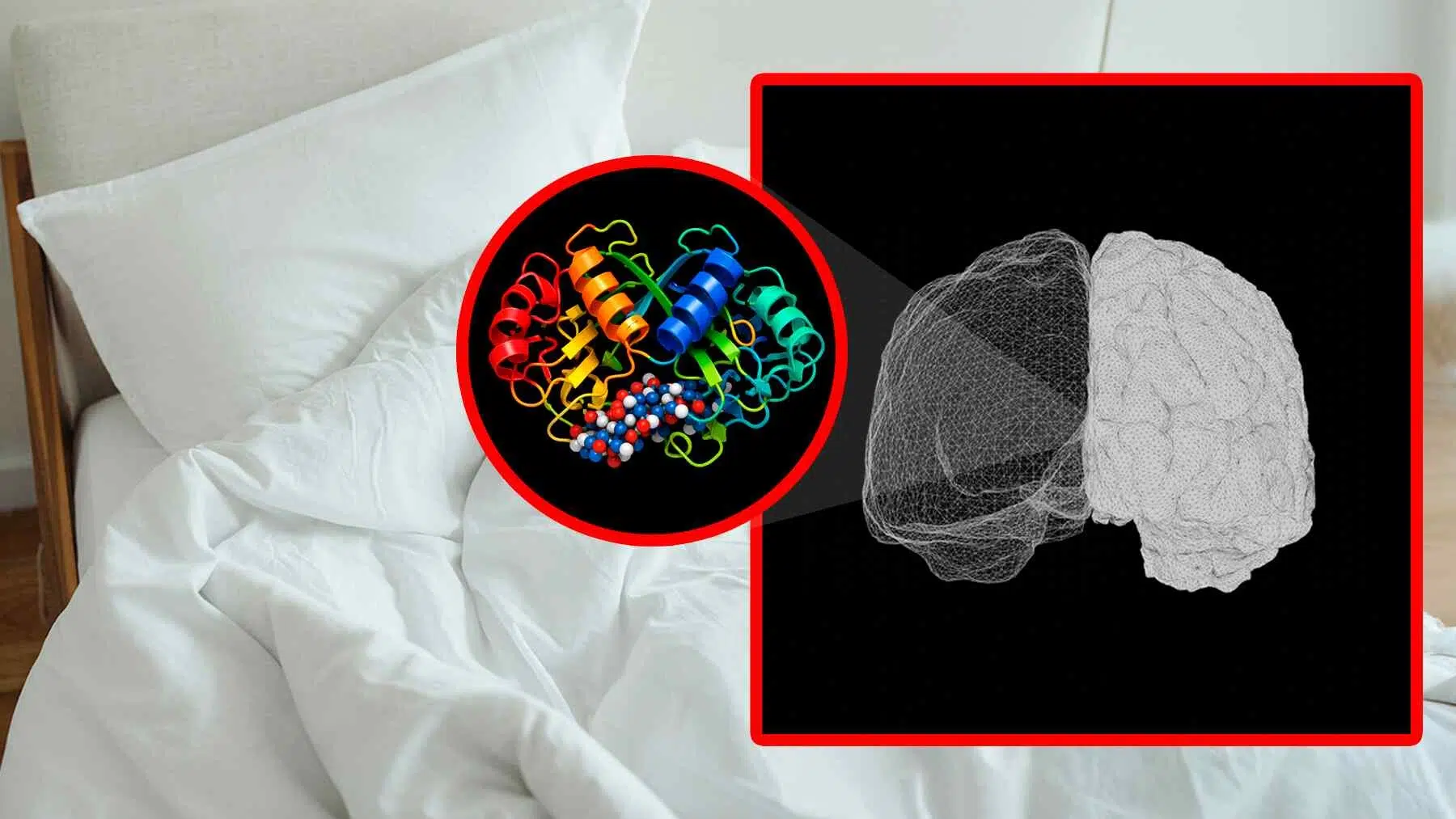
Just one night of sleep deprivation can lead to serious issues down the line as the toxic proteins in our brains accumulate. A recent discovery has shown that while we sleep, the space between our brain cells actually increases by roughly 60%.
This allows our brains to wash away fluids that may play a devastating role in our overall health.
Science has taught us that no sleep negatively affects our neurons as they become overworked, leading to the infamous brain fog that most of us have felt at one point or another.
The Human Brain: A complex organ that we know little about
Although science has leaped forward at a rapid pace, our brains remain a mystery.
Biology has become a focal point for millions of scientists who are aiming to answer the deepest questions about our brains. For decades, we used old methods to treat mental issues without understanding the long-term effects.
Our genetics can mutate to adapt to our surroundings, which has led to a world of new brain-related discoveries that have reshaped human science.
For example, genetic mutations can lead to unique shades of skin or eye color.
But one recent study has taken the time to analyze those of us who don’t need the recommended eight hours of shut-eye. We know that a lack of sleep can lead to cognitive issues, but for some of us, sleep is merely an afterthought.
The study, “This genetic mutation makes people feel rested on just 6 hours of sleep,” published in Nature, has revealed some interesting facts about what takes place when we put our weary heads down on our pillows for the night.
The secret of “short sleepers” has been revealed by a new study
The study of our brains has revealed some astonishing truths about human science.
For decades, we thought our aging brains could only head for a natural decline, but recent evidence has proven this not to be the case. The study, “This genetic mutation makes people feel rested on just 6 hours of sleep,” has found that some of us need only a few short hours of sleep to be fully recharged.
The question is, why does this odd occurrence take place?
Researchers find the secret to how some of us sleep far less than others
The team found that some of us are “natural short sleepers”, meaning that our brains can operate with no issues on 4-6 hours of sleep. These NSS people see their brains restoring essential functions while they sleep at a far quicker pace than the rest of us.
The study finds that one in every 1,000 people has this unique genetic mutation and that most likely the trait was passed down by either the maternal or paternal lineage.
The scientific name for this unique mutation is the DEC2 gene. It acts like a rapid restoration of chemicals that give us that “wide-awake” feeling far quicker than the average person.
Scientists have recently identified our “sleep switch,” which can also play a role in our sleep patterns every night.
Are you one of the lucky few who only need a few short hours of sleep?
Read the whole thing?
Get the week's signal, not the noise
Our sharpest reporting on energy, climate and nature — free, once a week.


