
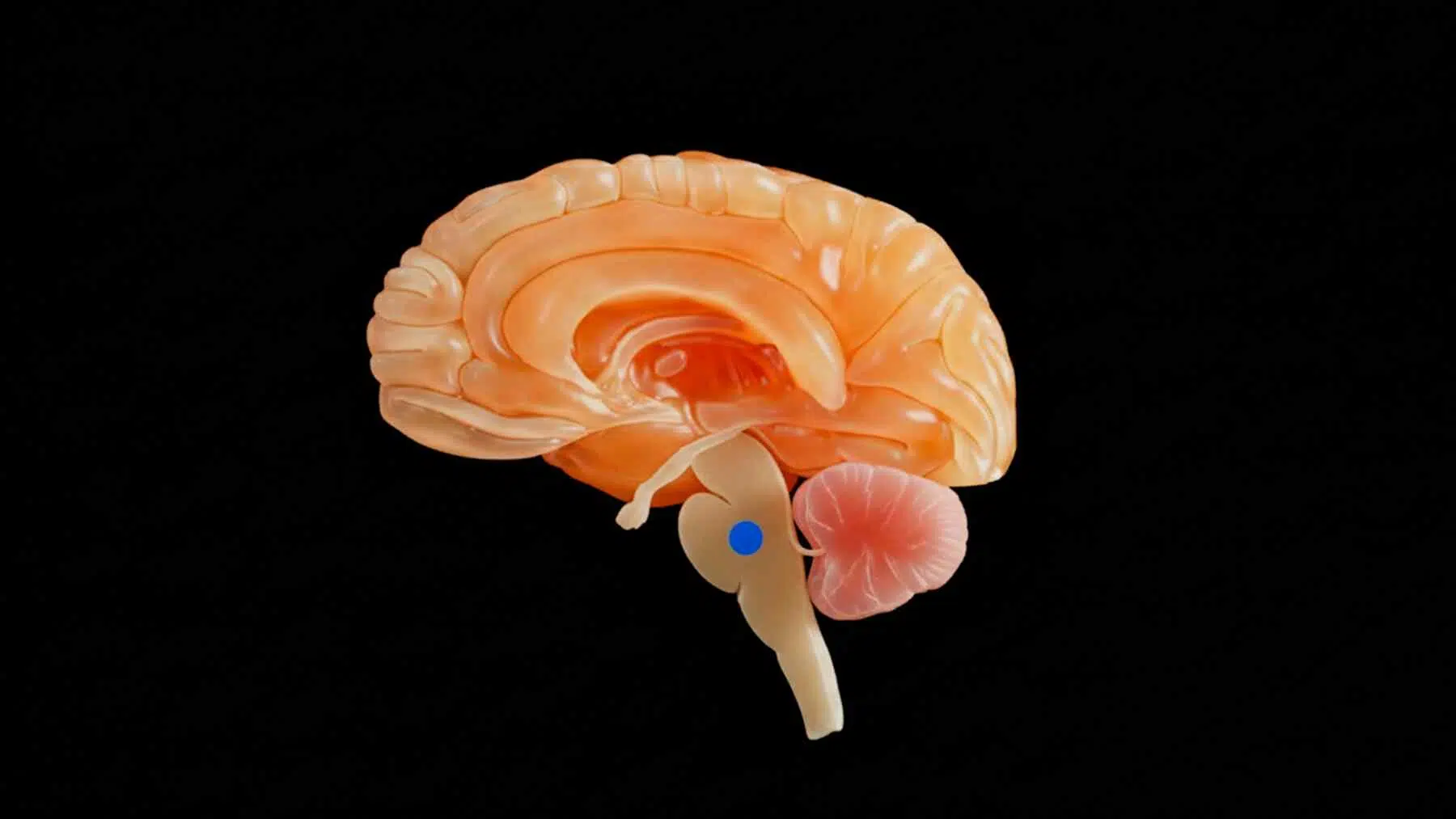
A team of scientists has discovered a button in our brains that drastically affects our sleep patterns.
As a species that evolved from the ape-like beings of previous centuries, our understanding of how our bodies and brains operate has shifted. Knowledge of self takes time to develop, and a recent finding holds the secret to a more peaceful night of rest for us all.
Are you one of the millions of us who suffer from insomnia? Fear not.
Our relationship with our brains can be a restless one
Human beings are complex creatures.
The sheer difficulty in understanding our biological makeup has led us all to pull out our hair in frustration. But as time passes and we spend more time studying ourselves, the deep-rooted impact of sleep on our brains has become clearer.
Sleep is a vital part of our daily routines.
For those of us who suffer from the nightly issues arising from stress and insomnia, things can often lead down a dangerous road. If our brains do not get the chance to rest, we face serious health risks that could lead to a hospital visit.
Sleep tight, don’t let the bed bugs bite
This has become a saying we have all heard at one point or another in our lives.
However, a restful night of sleep is not guaranteed. As such, the plethora of medications that have been developed to help us drift off into dreamland has become more extensive. But for those of us opposed to a chemically induced sleep cycle, this is simply not an option.
So what options are available?
How can we progress as a species and ensure a sustained sleep cycle at the end of the day? Thankfully, there are some answers. The secrets of our brains are becoming increasingly understandable as science progresses.
Ideally, a simple turn-off-to-sleep button in our brains would be the best and most viable solution.
A team of researchers recently made a significant discovery that holds the key to a long, uninterrupted sleep cycle. The question now becomes, how have the findings altered our understanding of our most complex organ?
A new study has revealed the secrets to understanding our brains a bit better
A team of researchers has found a significant key to ensuring a full night of recharging sleep.
A tiny group of neurons in the brainstem, known as the locus coeruleus, plays a vital role in regulating a wide range of brain functions. It essentially can “reset” our brains. The tiny fraction in our brains influences everything from memory to our ability to sleep at the drop of a hat.
As humans, our brain switches between NREM and REM sleep at predetermined intervals when we sleep at night.
One tiny region of the brain plays several vital roles
The locus coeruleus, a tiny blue dot within our minds, has recently shifted our understanding of how our brains work. Stress disrupts our sleep patterns, not to mention our overall health. It can even affect our perception of reality, as no sleep leads to hallucinations.
A recent study, When the Locus Coeruleus Speaks Up in Sleep: Recent Insights, Emerging Perspectives in the National Library of Medicine, has found that the locus coeruleus facilitates the transition between the different types of sleep we need every day.
We also have new insight from bacteria that have displayed their own “thinking” activity.
Back to the locus coeruleus, however: the cerebral cortex (the part responsible for logic and language) has grown so massive around it that the locus coeruleus now represents a much smaller percentage of total brain volume.
However, seeing as this tiny blue dot within our minds has, in a way,atrophied as our brains evolved, scientists have plenty more to investigate in the years to come.
Read the whole thing?
Get the week's signal, not the noise
Our sharpest reporting on energy, climate and nature — free, once a week.


