
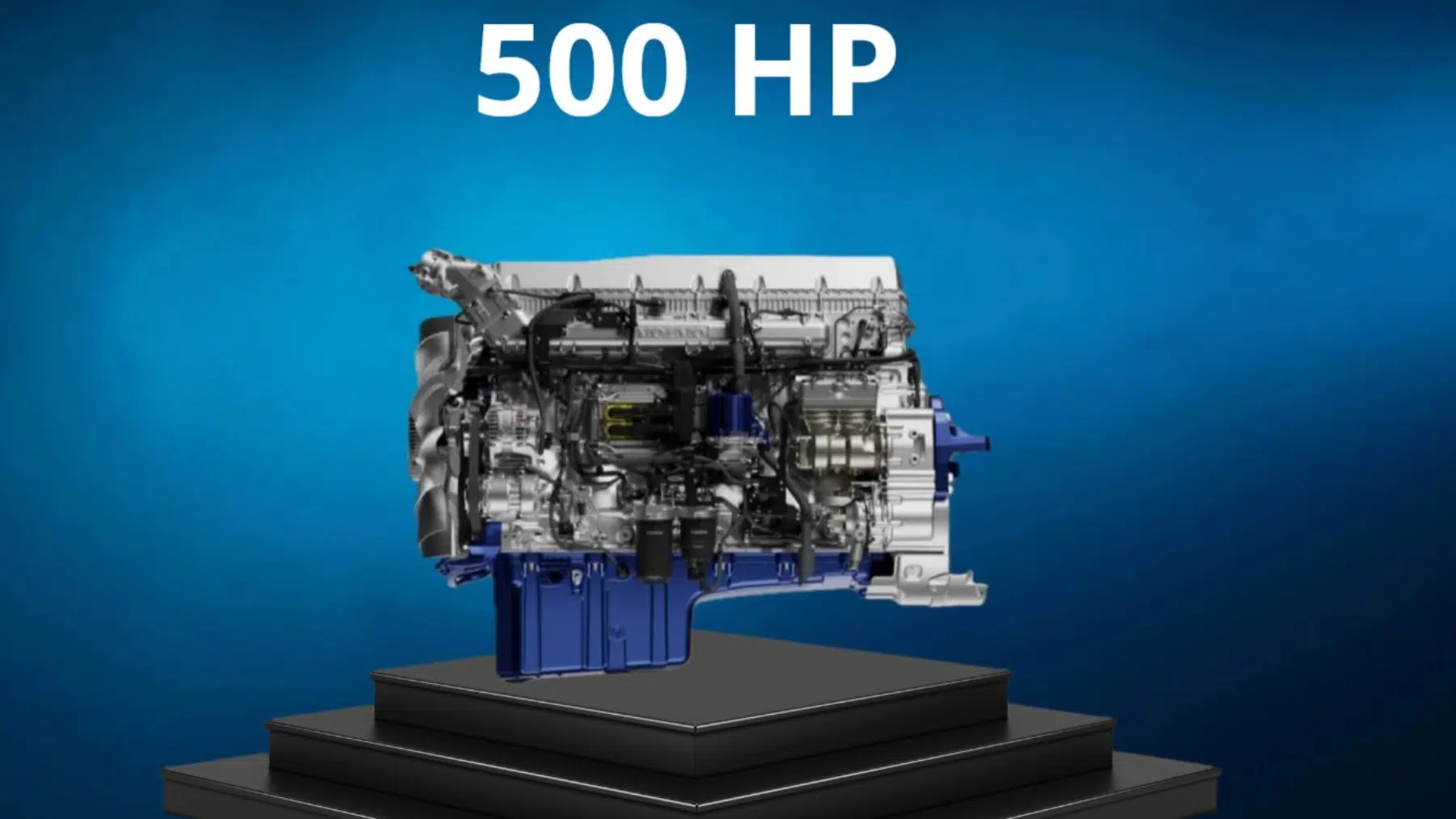
The automotive space is moving fast when it comes to producing renewable fuel and engine types to reduce carbon emissions. Furthermore, some car brands and manufacturers have focused more on electric vehicles (EVs), such as Tesla and more. However, Volvo of Sweden has unveiled a near-zero-emission combustion engine, a substitute that can change the automotive game into a cleaner one. This engine runs on hydrogen and, you might not believe this, but also on renewable fuels made from vegetable waste and animal fats rather than batteries. You read that right; materials derived from waste sources can be used to power a whole vehicle.
Volvo has set a standard when it comes to sustainability. This hydrogen engine is more than just another automotive lab research by engineers, but the company is investigating an alternative that delivers a near-zero carbon impact, quick refuelling, and a longer range by fusing the clean-burning properties of hydrogen with bio-based renewable fuels made from vegetable waste. Testing is scheduled to start in 2026.
A combustion engine with very low emissions? How is that even possible?
It is known that an engine should emit something, be it clean or dirty. However, this time around, technology is proving us wrong. Let us break it down. When Volvo came up with this idea, at its core, the goal was to burn hydrogen and vegetable-based biodiesel, which is leftover cooking oil or agricultural waste. Compared to conventional engines that emit high levels of CO₂, this method reduces carbon dioxide emissions to very low levels.
The truth behind all this excitement is that Volvo’s refuelling approach is to eradicate issues that EV owners are facing, such as the refilling stations not being enough, and Volvo’s hydrogen combustion vehicles promise refuelling times equivalent to diesel and a comparable range in contrast to battery-powered trucks that have trouble travelling long distances or take hours to recharge.
In 2026, Volvo will start testing hydrogen ICE trucks for customers
The parent company of Volvo Trucks North America and Mack Trucks, Volvo Group, announced on May 23, 2024, that it will start testing trucks with internal combustion engines fueled by hydrogen with clients in 2026 and start commercial manufacturing at the end of the decade. This timeline is to push decarbonisation harder.
Jan Hjelmgren, Volvo Trucks’ head of product management and quality, provided details and elaborated by saying,
“Trucks where the traditional internal combustion engine remains but runs on hydrogen will have the same performance and reliability as our diesel trucks, but with the added benefit of very low carbon dioxide emissions. They will be a valuable complement to our battery-electric trucks, which have been on the market for several years.”
There could be a deliciously clean future ahead
The hydrogen-and-renewable-fuel concept is real and Volvo could take the lead in the automotive industry by implementing this idea. Regions with good agricultural setups can be beneficial to automakers if they decide to tap into the biodiesel idea that Volvo has introduced. Additionally, this will complement other fuel types and not take them off the market. It will be an alternative that customers can choose from, too.
Transport Topics reported that on April 24, 2024, there was an announcement stating that all newly assembled Class 8 tractors leaving Mack Trucks and Volvo Trucks North America production lines will now leave manufacturing facilities using renewable diesel or HVO in their fuel tanks. HVO is made from waste vegetable oils and animal fats; therefore, there’s no need for engine upgrades or repairs. The same chemical structure is utilised; therefore, it is a straight substitute. Sweden has sent a bold message to the world that renewable sources like vegetable oils and animal fats can change the whole narrative about eco-friendliness.
Read the whole thing?
Get the week's signal, not the noise
Our sharpest reporting on energy, climate and nature — free, once a week.


