
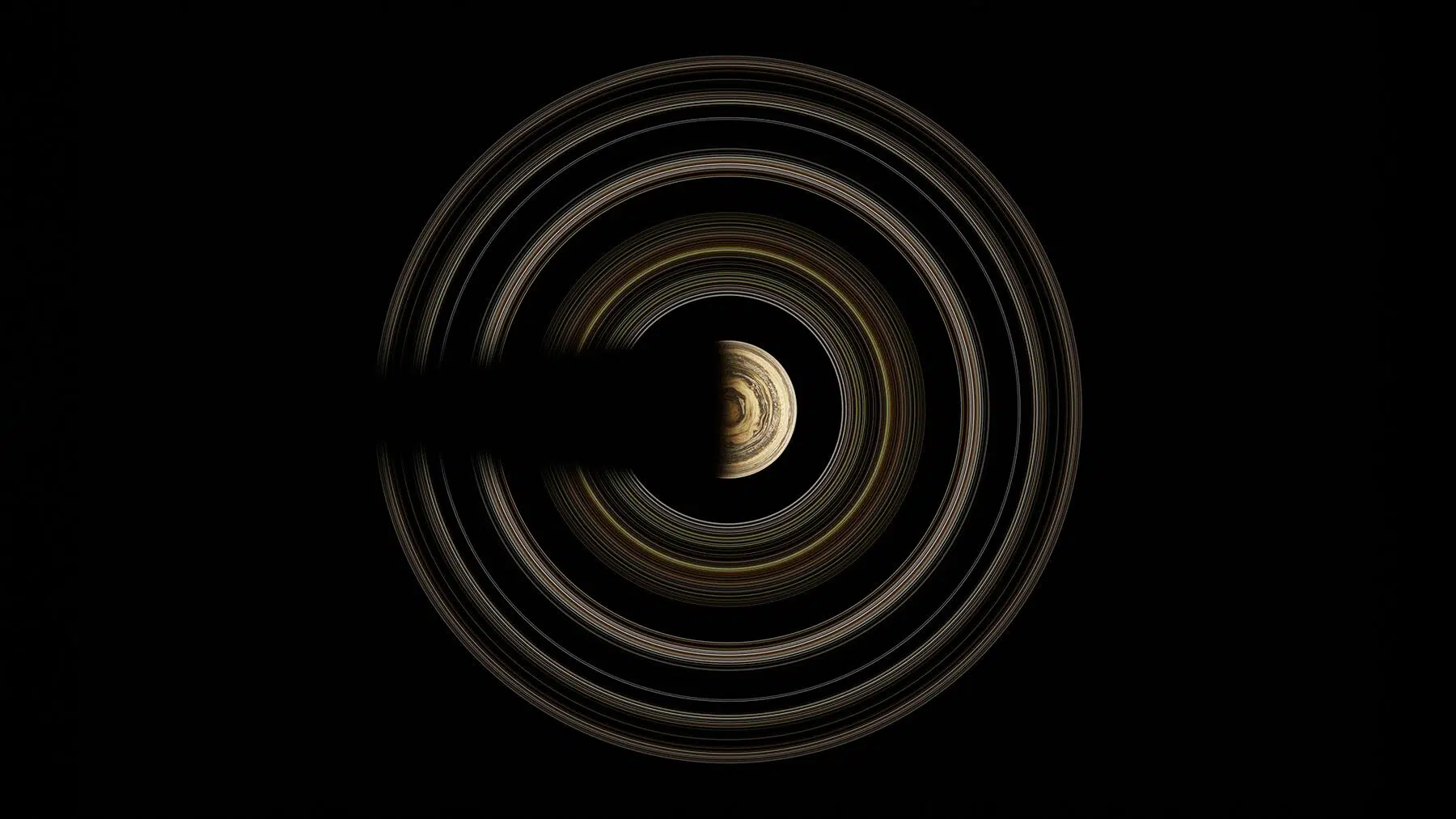
This month is all about Saturn and Jupiter. The new year means new opportunities to see the plants in our solar system. Thanks to their coincidental lineup with the Sun, every year, depending on your location across the world, you may find yourself in a position to see more than just the night sky stars when you are out stargazing. For residents of New York City, take note of this specific date when you will have the chance to view this planet alongside the moon.
An opportunity to sight the planets this year
NASA recently released an update for January of this year, detailing which planets we can expect to view with the naked eye this month. Throughout the year, different planets become visible to us on Earth, offering an exciting opportunity for viewers to catch a glimpse of these bodies without the use of a telescope. This is because the position of the planets lines up with our Sun and Earth in such a way that they become illuminated by the Sun’s light, making them visible as bright spots of light in the sky, generally just after sunset or just before sunrise.
Furthermore, these sightings often coincide with specific astronomical events such as planetary alignments, oppositions, and elongations, all of which determine the best time of the year to view a planet. Many may be surprised to know that these opportunities happen more than you may think, with January, February, August, and November of last year all offering key opportunities to view these bodies along with other new space discoveries.
You can see Saturn from this location on this date
This time last year, viewers had the opportunity to view a “planet parade,” whereby Venus, Jupiter, Saturn, and Mars were all visible in a sunset arc across the night sky, with 2025 also being a year of new space discoveries. While the planet parade is not expected to happen again this month, a year on, keen viewers can still take note of the following dates:
- January 10: Jupiter will be in opposition
- January 23: Saturn and the Moon conjunction
According to reports from NASA, January 10 will be the brightest it will be this year from our perspective. This is because Jupiter will be in opposition to us, meaning our Earth will find itself directly between the gas giant and the Sun. To spot Jupiter shining at its best on this date, orientate yourself to the east in the evening if you are in the Northern hemisphere, and you can locate the planet next to the constellation Gemini.
Furthermore, New Yorkers can view Saturn after sunset on January 23 in conjunction with the moon. This means that the two planetary bodies will appear closer together than they are in reality. To spot the two, look towards the west, and you should see Saturn right below the moon.
Preparing for other space viewings this year
To conclude the January celestial display, the ‘Beehive Cluster’ can be seen throughout the month. The Beehive Cluster is made up of over 1,000 stars, whereby if you look towards the east anytime after sunset and before midnight this month, you can see a bright cluster of stars.
If you miss the January planetary viewing opportunities, there are other night sky sightings that you can look forward to throughout the year. On March 3, a total lunar eclipse can be viewed if you are located in North America, the Pacific, and locations across Asia and Oceania. Another event to look forward to is between August 12-13, whereby you can view the Perseid meteor shower between midnight and dawn. These viewings are just the tip of the iceberg amid the plethora of new planetary discoveries and space oddities recently reported by NASA.
Read the whole thing?
Get the week's signal, not the noise
Our sharpest reporting on energy, climate and nature — free, once a week.


