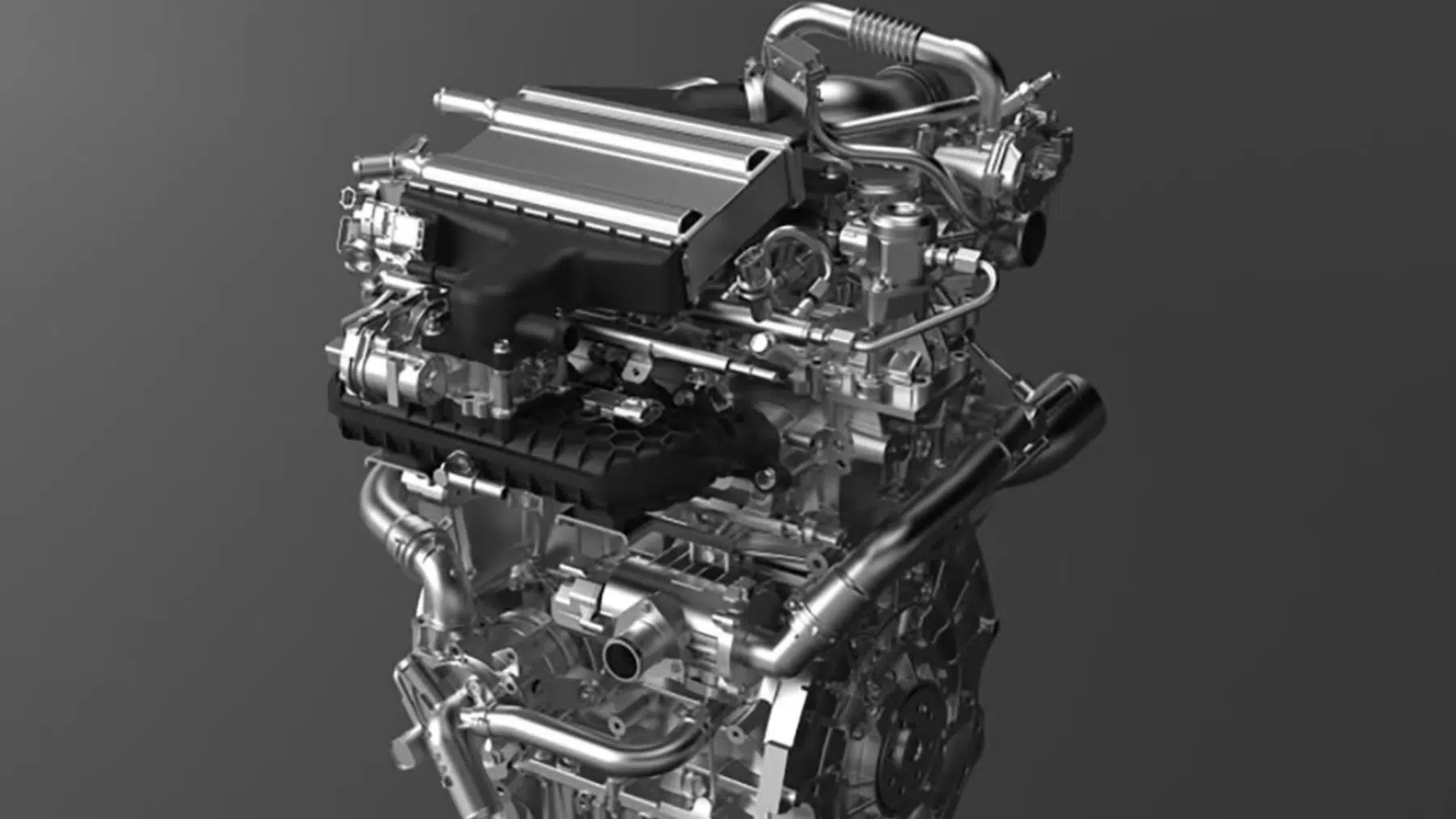
For the past decades, the automotive industry has gone through a lot of transformation when it comes to producing sustainable fuels and engines. China, being one of the countries, has shocked the world with this non-electric engine. One might utter the words, “The days of hydrogen are over.” Developed by Guangzhou Automobile Group (GAC) this innovation is perceived as a game-changer, perhaps a threat to hydrogen.
China’s Guangzhou Automobile Group Co. (GAC) has unveiled an ammonia-powered engine as part of their quest for more environmentally friendly mobility options. This engine can complement the list of greener options that already include electric cars and hydrogen fuel cells. The motor was introduced at the company’s annual technological exhibition in Beijing.
The operation of China’s ammonia engine and its significance
Ammonia, a clean and easily accessible fuel source, serves as the main energy source for the recently unveiled motor, which is intended for usage in passenger cars. This could be a big stride in the fight against climate change and in lowering greenhouse gas emissions from conventional gasoline-powered cars. Already, the world wants to go green; therefore, ammonia is the perfect resource for this engine.
In comparison to conventional engines and fuels, GAC claims to have developed a 2.0-litre engine that can safely and efficiently burn liquid ammonia, generating 120 kilowatts of energy and producing effectively no direct carbon emissions. The reason why this fuel resource is of significance is that it is a carbon-free carrier and it is renewable. So, 1: Carbon-free and 2: It is renewable. Reproduction is made easy for automakers.
Ammonia has drawn interest as a substitute fuel source in a number of sectors, such as automotive fuel cells and marine motors. The successful delivery of an ammonia fuel supply system for marine engines by Mitsubishi Shipbuilding Co. in May 2023 demonstrated the advancement of this fuel’s adoption. Startups like Amogy Inc. are also investigating cutting-edge strategies that include turning ammonia into hydrogen before using it in fuel cells to power automobiles.
Considerable difficulties while utilising ammonia
There are, however, issues that we need to decipher associated with this hailed fuel source. Ammonia has significant advantages as a fuel, but a number of obstacles prevent its widespread use in passenger cars. Due to the complexity of using ammonia as a fuel source, efforts are now focused on sectors like shipping and trucks rather than passenger automobiles.
Ammonia is a dangerous substance that needs to be handled carefully during shipping, storage, and dispensing. It is essential to ensure safe handling procedures and put appropriate safety measures in place. Its poor flammability and toxicity have also drawn criticism.
The surprising rival in clean energy’s future
Ammonia has subtly surfaced as a viable substitute for hydrogen and electric vehicles, which have dominated conversations about sustainable transportation. It may be made with renewable energy sources, is easily transportable, and is generally accessible. Furthermore, switching to ammonia would be more economical than creating new networks for the distribution of hydrogen due to the fuel’s established supply chain infrastructure.
Major automakers, on the other hand, are now concentrating on electrifying automobiles, mostly using battery electric vehicles (BEVs). With large investments in battery technology, charging infrastructure, and range enhancement, the development of electric vehicle technology has accelerated significantly. The growing availability of renewable energy sources and the goal of lowering greenhouse gas emissions are the main drivers of the electrification movement.
Although the engine is still in its infancy, it represents a major advancement in the use of ammonia as a transportation fuel substitute. Whether ammonia will become a common vehicle fuel is still up in the air. Nonetheless, GAC’s declaration demonstrates the company’s dedication to investigating alternate fuel sources and lowering its carbon footprint.
Read the whole thing?
Get the week's signal, not the noise
Our sharpest reporting on energy, climate and nature — free, once a week.