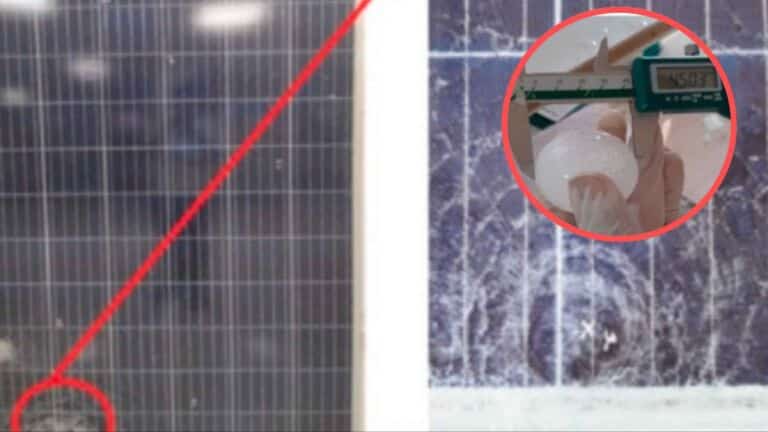
Solar panels change more than electricity production. They also reshape the ground below.
At one solar park in Italy, researchers began studying the thin strips of land beneath the panels.
They expected changes in temperature and moisture.
What they found was far stranger instead.
Tiny creatures living only meters apart were behaving differently depending on which side of the panels they occupied.
Some areas stayed cool and damp. Others became hotter and far drier.
What was causing this strange difference for the microscopic creatures?
How experts found different worlds beneath identical solar rows
Researchers divided the solar park into separate microhabitats.
Each section experienced unique conditions daily.
The shaded ground beneath the panels retained more moisture after rainfall.
Open spaces between the rows dried faster under direct sunlight.
That shift changed the soil itself.
Temperature differences appeared surprisingly quickly, too.
Scientists noticed that some underground organisms clustered heavily in cooler areas while others preferred exposed ground nearby.
The effect resembled miniature ecosystems sitting side by side.
Even light levels varied enough to alter vegetation growth.
Researchers realized the solar park had unintentionally created multiple environmental zones within a single fenced site.
Why the soil communities began separating around the solar panels
The Italian team examined how changing moisture and temperature influenced life underground.
Small environmental shifts produced major biological changes.
The ground beneath the panels stayed cooler during hot Mediterranean afternoons.
Moisture also evaporated more slowly there.
In open gaps, however, direct sunlight heated the soil rapidly.
That altered which organisms could thrive.
Some species handled heat far better naturally.
Others preferred shaded soil rich in decomposing organic material.
Researchers tracked how the underground communities gradually separated over time.
The organisms were not migrating randomly either.
Different groups repeatedly appeared in specific zones depending on sunlight exposure.
That pattern surprised the scientists.
Solar farms are usually discussed in terms of energy production, land use, or wildlife above ground.
This study, “Can Grasslands in Photovoltaic Parks Play a Role in Conserving Soil Arthropod Biodiversity?” published in MDPI, pointed downward instead.
An invisible ecological split had emerged.
The findings suggested large solar installations may quietly reshape microscopic ecosystems in ways barely understood.
What the tiny creatures actually were that behaved so differently
The animals living these separate lives were soil microarthropods.
Most people never notice them at all.
These tiny invertebrates include springtails, mites, and other microscopic organisms.
They help break down organic matter underground.
Some measured less than a few inches long.
Yet researchers say they play a major role in soil health.
Without them, decomposition slows dramatically.
Nutrient cycling also becomes less efficient.
Healthy soil depends heavily on their activity.
The shaded areas beneath the panels supported different communities than the hotter exposed sections nearby.
Moisture-loving organisms appeared more often under the solar structures.
Heat-tolerant species dominated the open spaces.
Researchers believe the panels effectively created artificial climate zones across the site
That mattered because soil organisms respond extremely quickly to environmental stress.
Some populations shift within a single season.
Italy’s Mediterranean climate intensified the differences as temperatures climbed during summer months.
The study also highlighted how little we know about ecological changes beneath solar infrastructure.
Large solar parks now cover enormous areas across Europe, China, and the United States.
Yet most ecological research still focuses on birds, vegetation, or large mammals.
The microscopic world receives far less attention.
That hidden ecosystem may matter greatly.
A single teaspoon of healthy soil can contain billions of microorganisms.
Many help regulate carbon storage and nutrient availability.
The Italian site revealed something surprisingly simple.
Two patches of dirt separated by only a few meters can become entirely different habitats.
Especially once rows of solar panels begin altering sunlight, moisture, and temperature above them.
Read the whole thing?
Get the week's signal, not the noise
Our sharpest reporting on energy, climate and nature — free, once a week.