Greenland doesn’t usually make headlines. It’s cold, quiet, and far away. And yet, a few years ago, it suddenly did — when Donald Trump openly talked about buying it. People laughed, made jokes, and moved on.
But behind the jokes, something serious was happening. Global interest in Greenland exploded, and not because of tourism or icebergs. Something valuable lies beneath the ice.
Why Greenland is suddenly on everyone’s radar
For decades, Greenland was seen as remote and impractical. Few people live there. The land looks frozen and empty. Not exactly a place you’d expect to change global politics.
That changed when the world began to worry about resources. Clean energy, electric cars, smartphones, and defense systems all rely on materials that are becoming harder to secure. Countries started looking for new sources — even in places once ignored.
Greenland quietly entered the conversation.
A modern treasure hunt without maps
This isn’t a gold rush with shovels and tents. It’s a modern resource race, happening in reports, meetings, and long-term plans.
What makes it different is that the prize isn’t shiny or visible. Most people have never seen it. Yet it sits inside almost everything we use every day. Whoever controls access to these materials holds real power.
That idea alone is enough to make governments pay attention.
When reality slows the excitement
There’s a catch. A big one. Greenland looks simple on paper, but it’s one of the most difficult places on Earth to work.
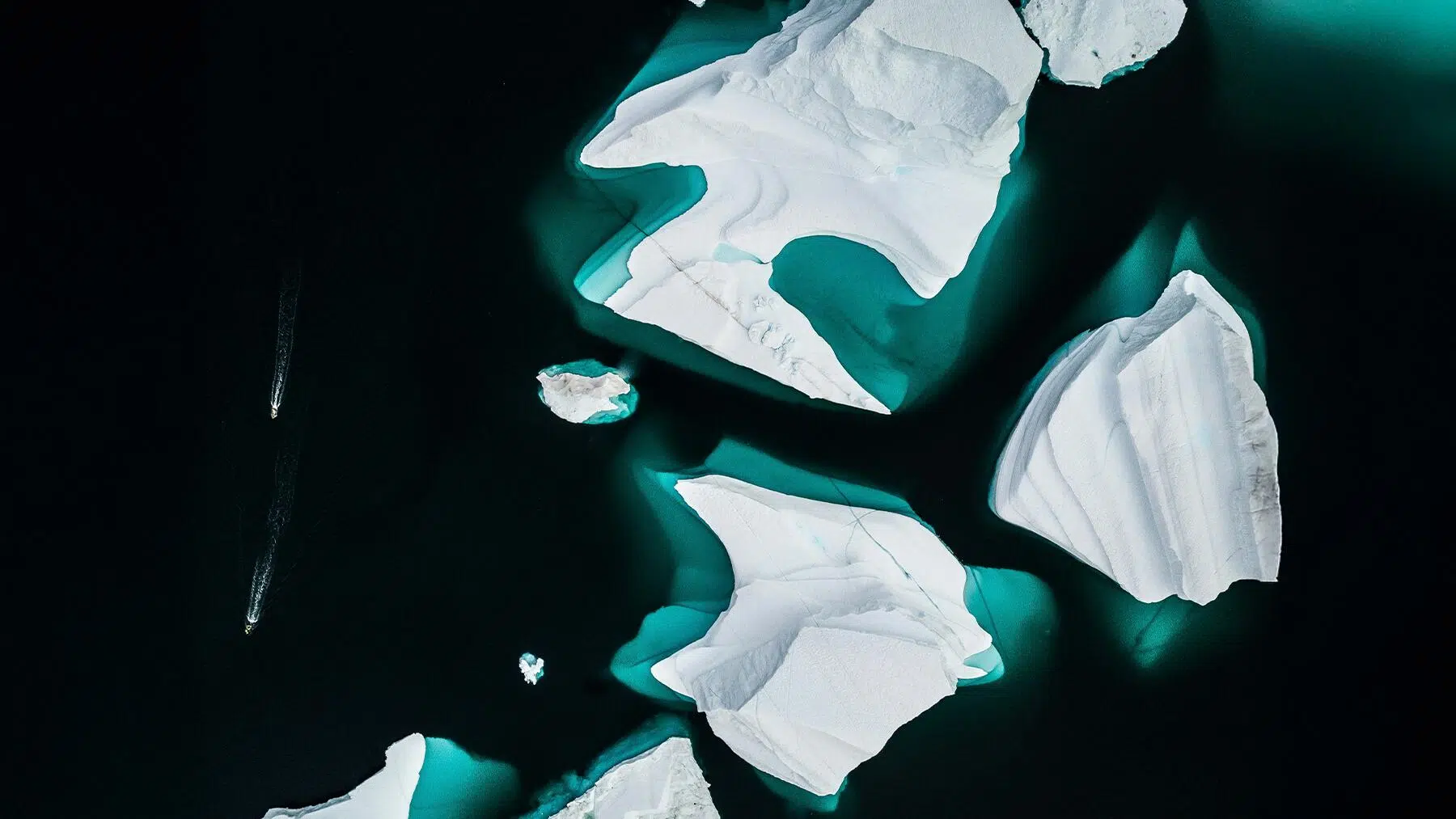
Most of the island is buried under thick ice. Temperatures are extreme. The weather is unpredictable. Even during the short summer, conditions can change fast. This isn’t a place where projects move quickly.
Nature doesn’t care about political interest.
The missing pieces nobody talks about
Mining needs more than minerals. It needs roads, ports, electricity, workers, and constant supply lines.
Greenland has very little of this. No railways. Few roads. Limited ports. Power systems that only support small coastal towns. Any serious project would first need to build an entire industrial world from nothing.
That alone makes the idea far less attractive.
This is the “treasure” — and why geology says no
So what’s down there? Greenland holds rare earth elements and critical minerals — key ingredients for renewable energy, electronics, and military technology.
But geology throws the final obstacle. Many of these minerals are trapped inside hard, complex rock that is extremely difficult and expensive to process. There is no easy way to separate them. In many cases, the technology to do it efficiently doesn’t even exist yet.
In short: the treasure is real, but nature locked it away very well.
Why Greenland won’t be conquered anytime soon
On top of natural limits, there are human ones. Many Greenlanders worry about environmental damage, especially from radioactive byproducts linked to mining. Political rules, canceled projects, and strict regulations slow everything further.
Experts agree that Greenland is not a shortcut to riches. If its resources are ever used, it will take decades, cooperation, new technology, and respect for local control.
The idea of Greenland as the world’s next great treasure sounds tempting.
But in the end, geology — not politics — decides what’s possible.
Read the whole thing?
Get the week's signal, not the noise
Our sharpest reporting on energy, climate and nature — free, once a week.