For centuries, it was gone—erased so completely that it became little more than a ghost in historical records. This towering bird once ruled vast wetlands across the UK, its presence impossible to ignore. Then, almost overnight in ecological terms, it vanished. Generations grew up never seeing it, never hearing its call. Experts assumed it was a closed chapter in Britain’s natural history. Its disappearance became a symbol of how fragile ecosystems can be when pushed too far. But now, something extraordinary is happening—and it’s rewriting what we thought was possible.
A Landscape That Once Fell Silent
There was a time when the UK’s wetlands echoed with life—rich, dynamic ecosystems teeming with birds, insects, and plants. These landscapes weren’t just beautiful; they were essential, acting as breeding grounds and migration stopovers for countless species. But as centuries passed, these wetlands were drained, reshaped, and repurposed for agriculture and development.
In the process, entire ecosystems began to collapse. Species that relied on shallow waters, reeds, and undisturbed land found themselves with nowhere to go. Among the hardest hit were large ground-nesting birds that required space, safety, and stability to reproduce.
For one particularly striking species, extinction in the UK came as early as the 16th century. Hunting and habitat destruction combined into a devastating blow. Once gone, it never returned—at least not for over 400 years.
The silence that followed wasn’t just physical. It represented a deeper loss, one that many believed could never be undone.
The Turning Point Nobody Expected
Fast forward to the modern era, and a quiet but determined effort began to reverse the damage. Conservationists, scientists, and volunteers came together with a shared goal: not just to protect what remained, but to rebuild entire ecosystems.
This wasn’t about small-scale changes. Entire wetlands were restored by reintroducing water to drained land. Rivers were allowed to return to their natural paths, improving biodiversity and resilience. Native vegetation was replanted, and large-scale projects reshaped entire landscapes.
One standout example is RSPB Geltsdale, now covering more than 50 square kilometers, where over 110,000 native trees have been planted. The restoration of waterways like Howgill Beck has helped revive habitats that had long been degraded.
At the same time, innovative “runways” for nesting were introduced in reserves like Lakenheath in Suffolk, giving large birds safe, undisturbed places to breed.
At first, progress was slow. But over time, nature began to respond.
Signs Of Hope Begin To Multiply
As habitats recovered, wildlife started to return in remarkable ways. Across the UK, conservation success stories began stacking up—each one reinforcing the idea that restoration works.
In restored landscapes, 94 bird species are now known to breed, including rare species like hen harriers, black grouse, merlins, and short-eared owls. These numbers highlight just how powerful habitat restoration can be when done at scale.
Off the coast of Wales, another breakthrough unfolded. On Ramsey Island, the removal of invasive rats in 2000 triggered a dramatic seabird recovery. Manx shearwaters increased from around 900 breeding pairs to an astonishing 6,225 pairs—a massive population boom.
Along the East Atlantic Flyway, restored wetlands such as Frampton Marsh now support over 25,000 wintering waterbirds each year, making them internationally important habitats.
Even species once on the brink have rebounded. Bittern numbers in the UK rose from just 11 males in 1997 to 138 today, with around half found on protected reserves.
It became clear: when nature is given a real chance, it doesn’t just survive—it rebounds dramatically.
The Bird That Refused To Stay Gone
And at the center of this extraordinary transformation is one of the most powerful comeback stories of all.
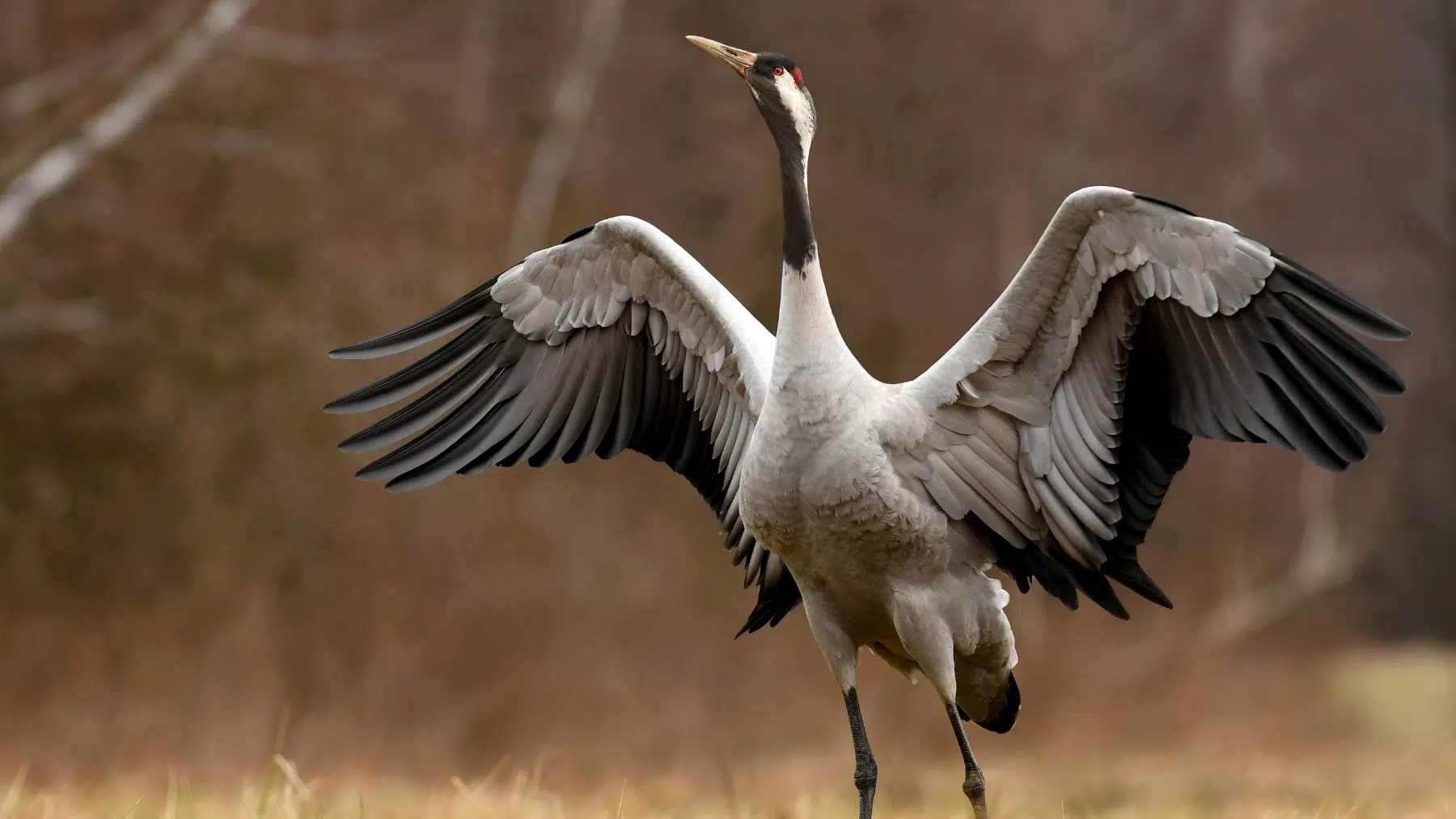
The UK’s tallest bird—the common crane (Grus grus), standing at around 1.2 meters—has returned after being extinct in Britain for over 400 years. Once lost to history, it is now reclaiming its place in the landscape.
Thanks to restored wetlands and carefully designed nesting habitats, these elegant birds are breeding successfully once again. Today, conservation reserves support more than a third of the UK’s breeding population, with around 30 breeding pairs recorded.
Their return is more than symbolic. It proves that even after centuries of loss, recovery is possible with enough commitment and innovation.
Now, the deep, echoing calls of cranes can once again be heard across British wetlands—a sound absent for generations. It’s not just a comeback story. It’s a glimpse of what the future of conservation could look like.
In a world filled with environmental challenges, this stands as something rare: measurable, undeniable hope.
Read the whole thing?
Get the week's signal, not the noise
Our sharpest reporting on energy, climate and nature — free, once a week.