
A vineyard will typically be set up with a simple premise.
Provide the vines with the sun, water, and time they need.
However, at an agricultural college in Rodilhan (Southern France), this concept is becoming more complex.
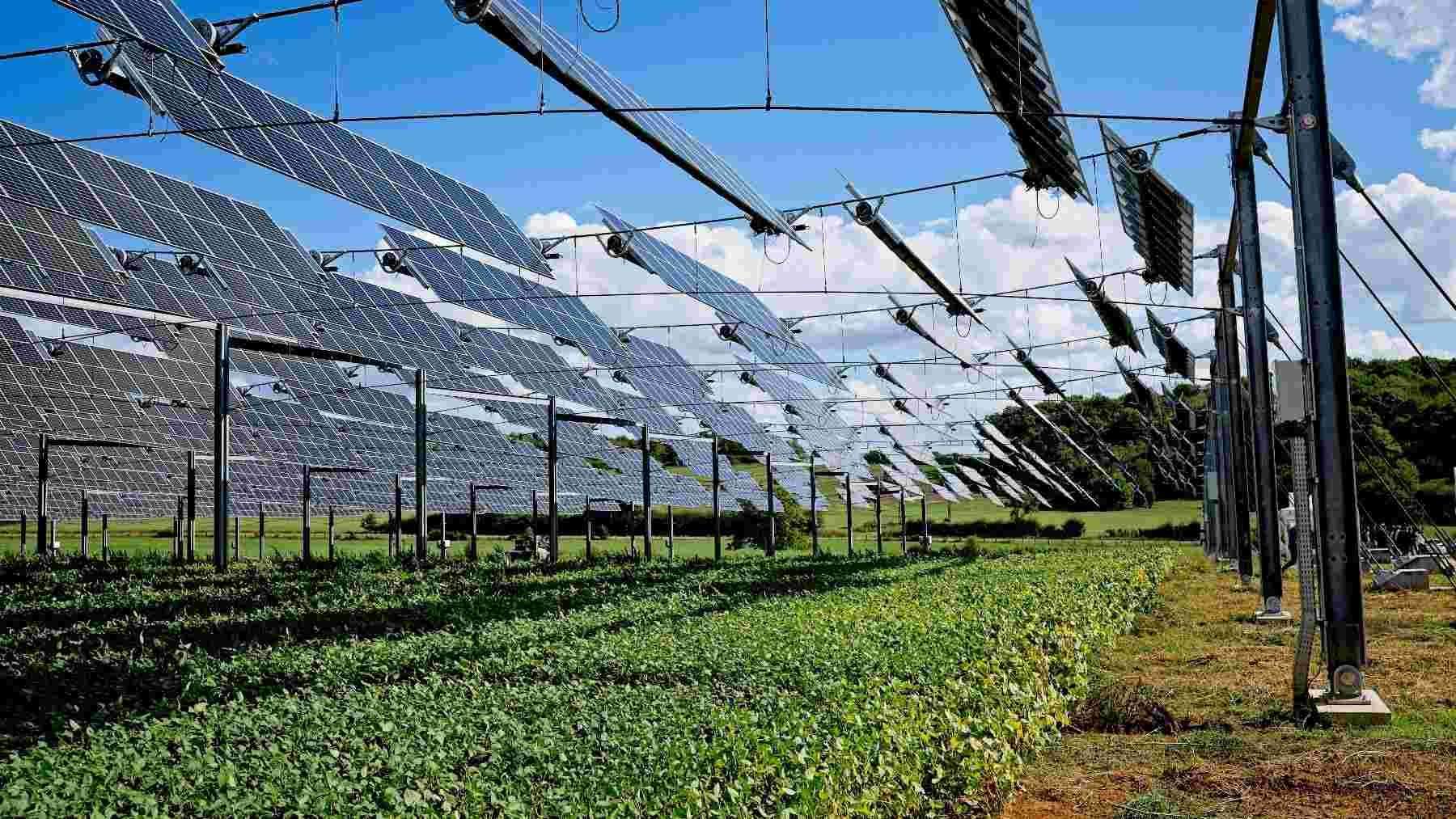
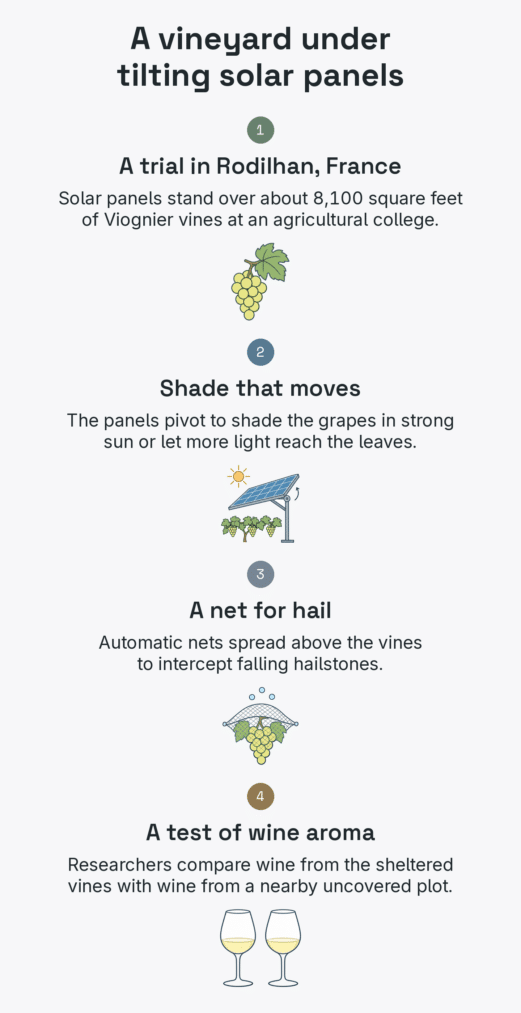
Solar panels are installed above a section of Viognier vines. These can be moved throughout the day to ensure the vines get the right amount of sun.
Hail nets are also present above the vines. This section of vineyard can now respond to the weather.
The vines are facing more pressure than before
Winegrowers in the region have many issues to overcome.
As the temperature increases the vines will start to grow earlier.
While this can seem like a positive, the vines can be left vulnerable to spring frosts due to the early growth.
Longer dry periods and extreme heatwaves are placing pressure on the vines.
Survival alone is not enough for a good harvest
That feels very close to the coaching-note examples because every heading changes the reader’s question instead of repeating the answer.
Make the headings simplerUse shorter headingsAlign them more closely with the notes
The high temperatures and drought can cause reductions in the weight of the grape berries.
This can impact production. Extreme temperatures can also impact the balance of the wine.
Higher alcohol levels and lower acidity are becoming more common due to the grapes maturing in hotter conditions.
Winegrowers not only need to keep the vines alive but also ensure they retain the features which make each harvest valuable.
A different approach is being tested in Rodilhan
To overcome these issues a section of vineyard at the AgroCampus Marie Durand in Rodilhan has been fitted with Agrivoltaic technology developed by Sun’Agri.
This is a section of Viognier vines covered by solar panels. There is also a control section nearby which is not covered.
The solar panels are not just being used for energy generation but are being used to research how we could improve protection for crops.
Future winegrowers can also observe these in action within a vineyard.
The vineyard can now respond to the weather
The solar panels can be moved depending on the conditions and needs of the crop.
When temperatures increase the angled solar panels reduce the excess heat hitting the leaves, grapes and soil.
During periods of frost the cover helps to reduce the temperature dropping too much during the night.
Hail nets are also part of the protection system at the site.
This creates a more stable environment around the plants, leading to considerable water savings across vineyards using this technology—especially during very dry years.
The aim isn’t to fully protect the vines from the sun but to control the amount of sun they receive.
Protection only matters if the grapes still benefit
If the vines aren’t still producing quality grapes, then it won’t matter.
However, there have been positive results from vineyards using similar technologies.
Some grape varieties had increased yields compared to the control section. Changes were also seen within the grape clusters.
Depending on the variety, the vines had heavier or larger bunches.
Quality factors were steady and, in some cases, improved. Some grape varieties had consistent acidity with reduced alcohol levels.
This can be very valuable in regions where increasing temperatures are impacting traditional growing conditions.
This may be only the beginning for vineyards like these
It is unlikely the weather pressures will stop, and sites like this in Rodilhan show how vineyards could adapt.
Future vineyards may use more technologies like this to respond to changes in conditions.
While this vineyard is still producing grapes, it is becoming something more.
Every time the solar panels are moved, and hail nets are deployed, it shows how we could protect our crops in the future.
The aim is to help vineyards stay productive with the changing environment.
Read the whole thing?
Get the week's signal, not the noise
Our sharpest reporting on energy, climate and nature — free, once a week.


