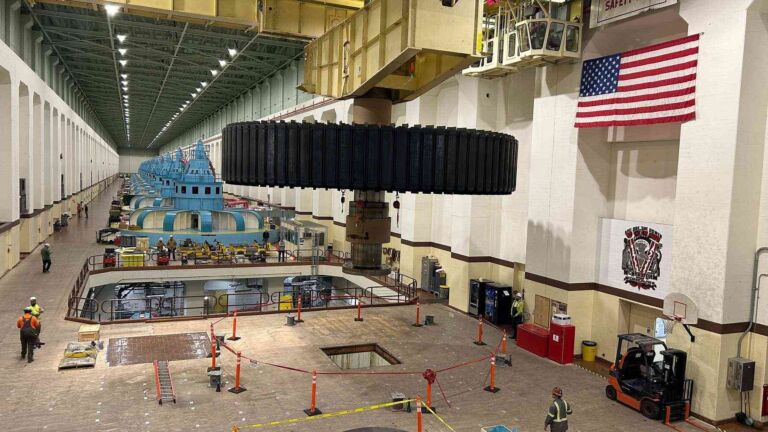
We are in a race against time to meet our global energy targets, and as a result, what we have believed to be the best solutions to our problems have gradually become our biggest hurdles. We have ruined one of the most popular sources in the renewable energy industry. Hydrogen has gone black, and the cost of this color is enormous. Understanding how we ruined this source is the first step to reevaluating our approaches to using it in the renewable energy sector and to keeping our carbon footprints low.
The world is in a race against time, and this is why
Many of the global energy targets have deadlines that are approaching fast. The European Union has an energy target to decrease emissions and boost renewable energy usage by 2030, which formed the basis for national legislation. In 2015, the United Nations also implemented Sustainable Development Goal 7, to:
“Ensure access to affordable, reliable, sustainable and modern energy for all”.
- Provide accessibility to cost-effective and reliable energy
- Enhance fuel economic development
- Ensure energy security through diversification
- Enhance public health via cleaner air and water
We have ruined a popular source
When the going gets tough, the tough get going. Hydrogen, in general, is a colorless and odorless gas, and while it is the most abundant element in the universe, it is not freely available in pure molecular form on Earth. Which is why mankind has found ways to produce hydrogen. It is one of the world’s most mysterious sources, as it can be both polluting and non-polluting.
The key to understanding whether it is polluting or not is by looking at its color categorization. According to National Grid, the methods that we use to produce hydrogen will determine the color category it belongs to. In general, green hydrogen is what we want, as renewable sources are utilized to electrolyze water. Unfortunately, this approach is expensive, and we have gradually turned to black production.
We have been turning to fossil fuels (black coal and lignite) and the process of ‘gasification’ to produce black hydrogen, as it is less expensive. Unfortunately, it comes at a greater cost.
The cost of black hydrogen is enormous
Black hydrogen has an emissions intensity of 22 to 26 kg of carbon dioxide per kg of hydrogen produced, as per Stegra. According to an MIT Energy Initiative senior research scientist, Emre Gençer, in general, even when using renewables, the production can result in 1 kg or less of carbon dioxide per kg of hydrogen produced.
Gençer also stated that we can unknowingly make green hydrogen blacker. He explained that using wind energy to produce green hydrogen is cleaner than solar energy, because:
“manufacturing solar equipment takes more energy, and wind energy installations produce electricity at their maximum output more often than solar projects of the same size.”
As the various approaches improve in the future, some of the colors may become less important than others. Hopefully, we will manage to move away from black hydrogen, as it defeats the purpose of our global targets, which is to achieve net zero. Perhaps it would be best to turn to other green alternatives to provide our homesteads, businesses, and other sectors with power. Some of these alternatives could include powering the Earth from space or exploring geothermal energy sources more.
Disclaimer: Our coverage of events affecting companies is purely informative and descriptive. Under no circumstances does it seek to promote an opinion or create a trend, nor can it be taken as investment advice or a recommendation of any kind.
Read the whole thing?
Get the week's signal, not the noise
Our sharpest reporting on energy, climate and nature — free, once a week.