Wind power might be in for a development that could reduce the noise that turbines make as they produce power. It has always been assumed that wind turbines need blades. A new system is in the works that will see turbines with no blade that make no sound.
How wind turbine power is becoming silent
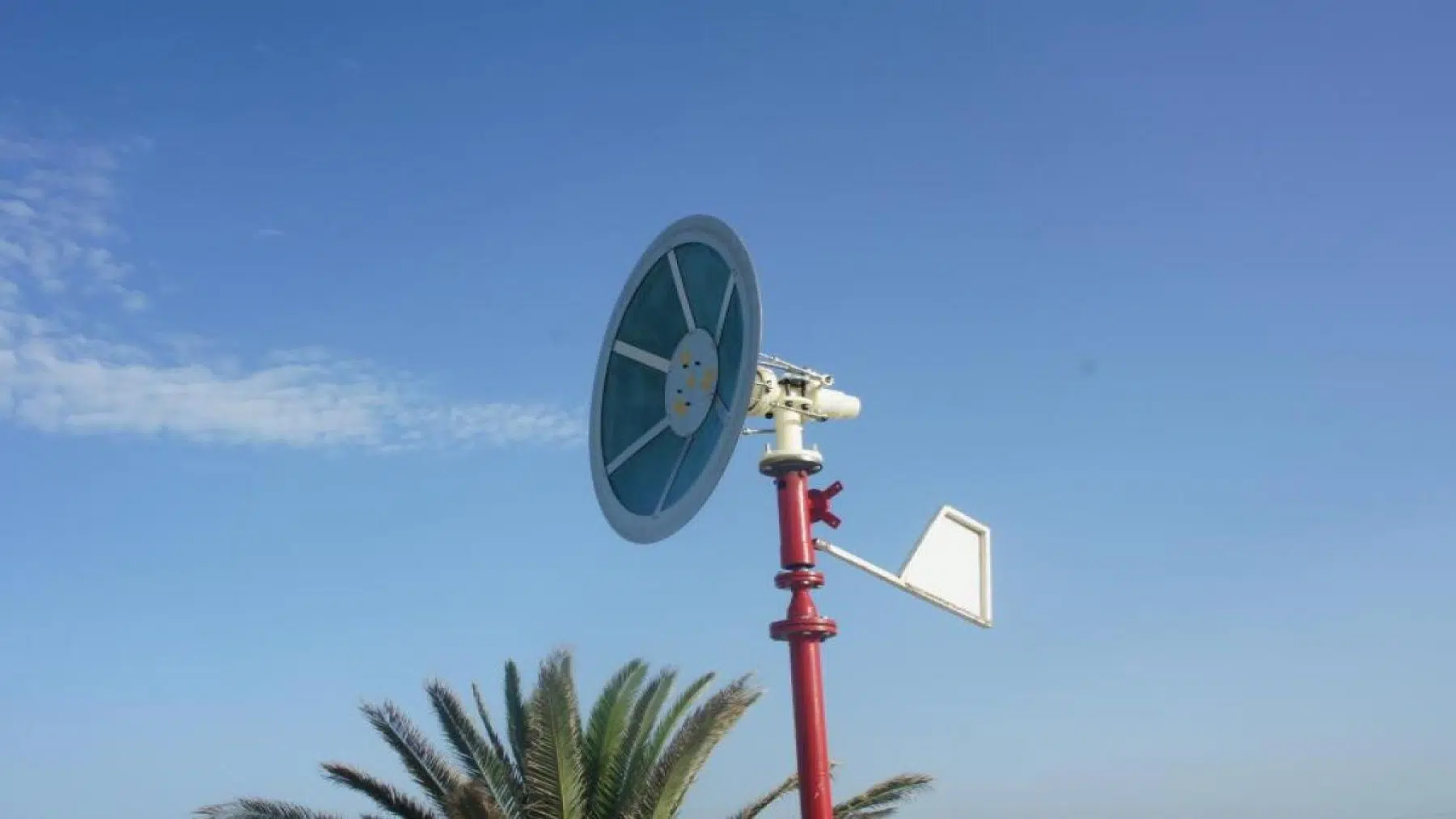
This new wind power design does not do away with the main function of a wind turbine, it just eliminates the noise entirely. The design does not make use of a propeller but instead, it looks more like a sail. Hydraulic pistons are used to generate energy. An alternative as effective as this has been considered by energy experts for years, and now it would seem one has been found.
The brainchild of a company from Tunisia is about to reshape wind power. This design was dismissed by experts at first, that is, until the test results started to emerge, and these have silenced the critics. This turbine delivers high efficiency, and the costs are kept low. It can produce double the energy at almost half the cost, which has made the world take notice.
Which country is looking to make use of this new silent wind turbine?
India is looking to have this silent wind turbine service the energy needs of some of their more rural communities. This bladeless wonder, called The Saphonian, could help India advance towards a future of lower emissions and abundant clean energy. A one-megawatt wind farm project has been proposed in India, consisting of 50 units which each produce 20 kilowatts of power. Ground zero for this pilot will be a small village.
India is looking to address the issues of accessibility. Village-scale energy production could really help this country which has battled with discrepancies in infrastructure. A wind turbine with no blades could help propel this nation into a new era of clean energy for all its citizens.
A new take on an old idea, the silent wind turbine is poised to make ripples
The idea of using wind to generate power is very old. Consider sailboats and windmills. The modern take is a different story, however, as its impact has been undeniable. The Saphonian uses a back-and-forth motion, which does not rely on a gearbox or blades, reducing the mechanical wear and tear that wind turbines succumb to. This means the cost of maintaining it is reduced.
The impact this wind turbine has on the environment has also been accounted for and reduced. Very often, birds and the like are struck by the swinging blades of a wind turbine, which is no longer the case as this wind turbine does not have a propeller. Those who work on this machine are also safer as they need not worry about the propeller either.
The future of wind power just got a facelift
The performance of this turbine is one thing, but the scalability is just as appealing. The Saphonian can have units adapted to be installed on rooftops in the city or used in clusters in more rural regions. It is also less likely to succumb to turbulence as the design does not make use of blades. This turbine can be more easily incorporated into the lives of the community as it is less violent, if you will, no whooshing sounds or large blades churning through the air at immense speeds, which is also perilous.
The pilot project in India will be watched closely, and if things go well, then wind power in places like Asia and Africa could be in for a facelift sooner rather than later. Places like Africa and Asia have been plagued by ailing grids and a less progressive approach to energy supply compared to other parts of the world. The Saphonian prototypes are being tweaked and tested with larger models in the pipeline.
Read the whole thing?
Get the week's signal, not the noise
Our sharpest reporting on energy, climate and nature — free, once a week.