Batteries produce energy, are seemingly simple, and have a fascinating history. The first battery was invented in 1800 by Alessandro Volta and the unit of electric potential, the volt, is named in his honor. Batteries can even be made from food like potatoes, and some can last for generations. A specific coin-sized battery was recently created. This battery is radioactive and has a half-life of 5,730 years.
A first-of-its-kind battery resulting in years of energy
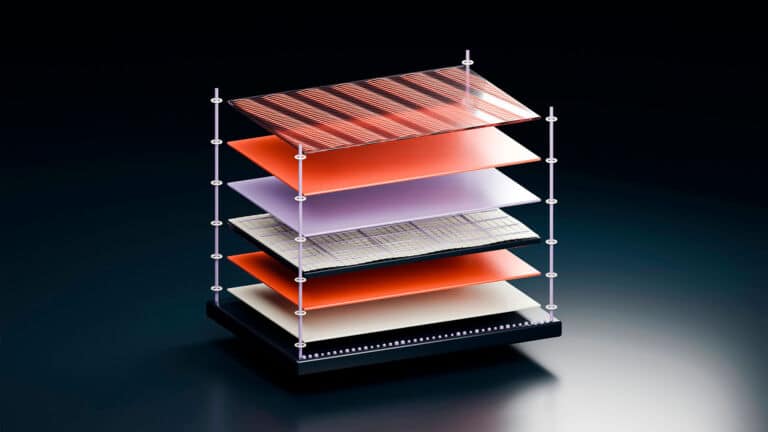
According to scientists at the University of Bristol and the UK Atomic Energy Authority (UKAEA), the first-of-its-kind nuclear-powered battery, which utilizes a radioactive isotope embedded in a diamond, could power small devices for thousands of years. The University of Bristol scientists declared that the nuclear battery utilizes the reaction of a diamond placed close to a radioactive isotope to spontaneously create energy.
Per the scientists, the battery harvests fast-moving electrons resulting from radiation, similar to how solar power uses photovoltaic cells to change photons into electricity. The battery consists of carbon-14 radioactive isotopes embedded in lab-grown diamonds. The scientists decided on carbon-14 as the source material because it emits short-range radiation, which can be easily and quickly absorbed by any solid material, in this case, the diamonds, meaning nuclear energy could be green without side effects.
“Diamond is the hardest substance known to man; there is literally nothing we could use that could offer more protection.” – Neil Fox, a professor of materials for energy at the University of Bristol.
Lasting power lies in diamonds and nuclear energy
The scientists reported that a single nuclear diamond battery with 0.04 ounce (1 gram) of carbon-14 could produce 15 joules of daily electricity. In comparison, a standard alkaline AA battery, weighing about 0.7 ounces (20 grams), has an energy-storage rating of 700 joules per gram. This means the AA battery would deliver more power than the nuclear-diamond battery would in the short term, but it would be exhausted within 24 hours.
In contrast, carbon-14 has a half-life of 5,730 years, which means the nuclear diamond battery would take that many years before 50% of its energy has been depleted. That is near the age of the world’s oldest civilization. In another comparison point, a spacecraft powered by a carbon-14 diamond battery would reach Alpha Centauri, which is our closest stellar neighbor, approximately 4.4 light-years from Earth, long before its energy was significantly depleted.
Application possibilities of a radioactive, coin-sized battery
Specific uses include X-ray machines and small medical devices that need to operate for a long time but require low power, such as pacemakers and implantable devices, and machines that operate in difficult and dangerous environments, like oil and gas machinery on the seabed.
The battery’s benefits:
- Has no moving parts and thus requires no maintenance
- Does not have any carbon emissions
- Size is variable, so it can power devices in hard-to-reach spaces, such as the deepest depths of the ocean, in orbit around Earth, or even in deep space
Another benefit is that the carbon-14 is derived from graphite blocks, which are a byproduct of nuclear fission reactors. This means that these diamond batteries are a new source of almost unlimited energy and that they also repurpose radioactive material.
“Our micropower technology can support a whole range of important applications from space technologies and security devices through to medical implants. We’re excited to be able to explore all of these possibilities, working with partners in industry and research, over the next few years.” – Tom Scott from the University of Bristol
Read the whole thing?
Get the week's signal, not the noise
Our sharpest reporting on energy, climate and nature — free, once a week.