
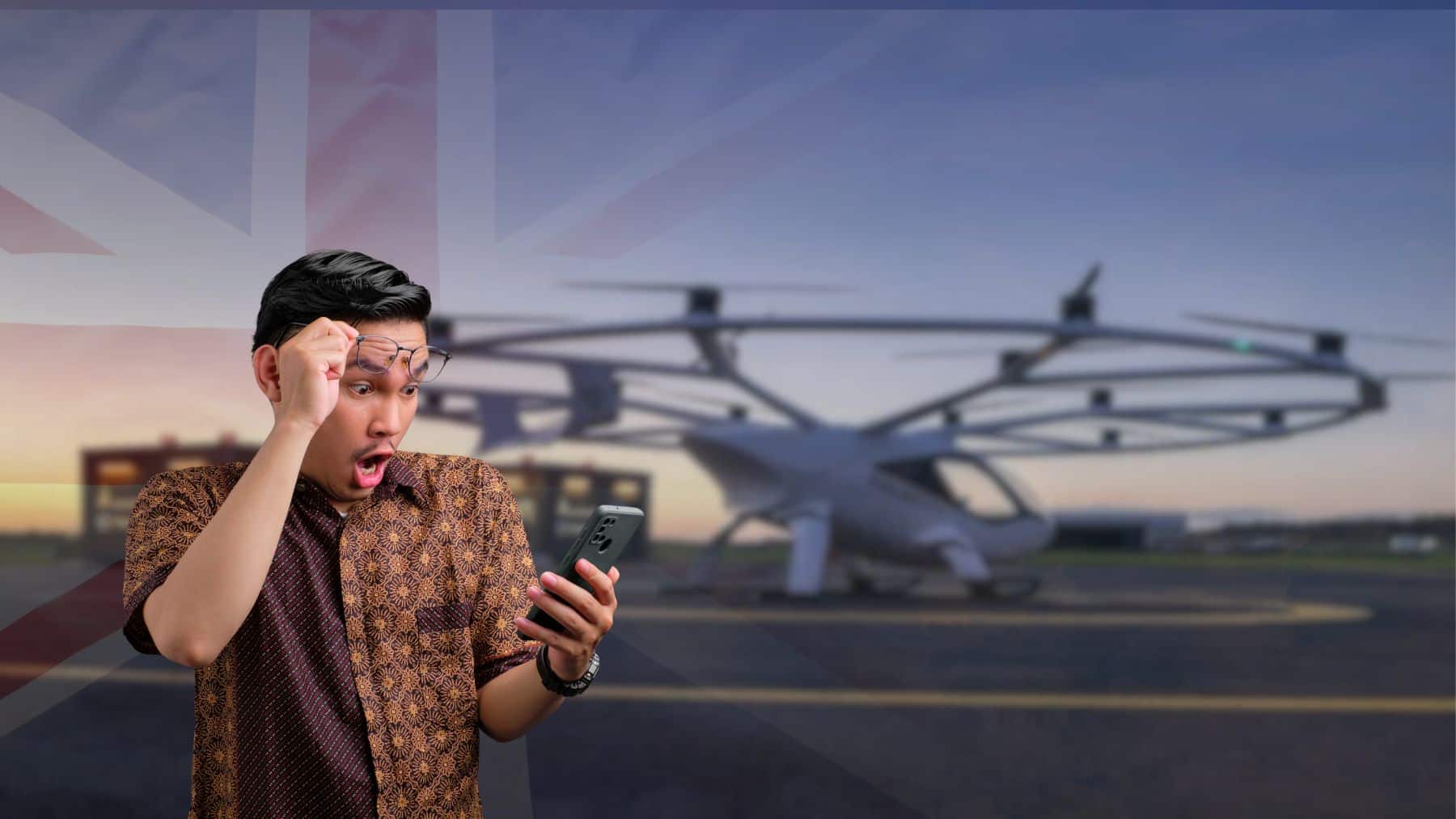
While commercial flights are still the safest way to travel, this new project could significantly change the landscape and turn flying into a mode of transportation beyond merely reaching holiday destinations with a new skyport. The future of airports and transportation is poised to change with this new landing/launching platform that Skyports Infrastructure is constructing, but it will not be located in the UK. The idea of having these terminals, where VTOL aircraft can take flight without being in an airport, has the potential to revolutionise the industry.
New VTOL project in the works: Goodbye to traditional airports
Vertical Take-Off and Landing (VTOL) is technology that numerous companies have been working on in the past couple of years. While notable efforts to make VTOL a reality come from SpaceX with its rocket tests, the idea is simpler than it appears – the infrastructure required for a project of this scale is more complex than what is needed for daily use. Skysports Infrastructure, one of the companies at the forefront of VTOL innovation, is building a landing area far from the UK – initially outside of it.
While many Asian brands are prominent across Europe, this company took a different direction: it is developing its project outside the old continent. The company revealed in early September that it will be developing the first commercial vertiport network in South Korea, spanning between the Jeju International Airport, Jungmun, and Seongsan.
Skyports development in South Korea: How it will work
The new skyport built by the company will be South Korea’s first vertiport network for eVTOL flights on Jeju Island. The London-based company announced on September 8 that it had reached an agreement with Jeju’s local council to design, build, and manage the sites where electric air taxis will be able to land and take off. Skyports has already secured several locations and signed agreements with local landowners to propel the project forward.
The first routes will connect Jeju International Airport, Jungmun, and Seongsan. Skysports claims that those flights will cut current travel times by nearly 85% — a drive that normally takes an hour could be completed in around ten minutes by air. Under the deal with Jeju’s council, the company will also seek an aircraft maker to serve as its first partner.
Jeju’s government side quest: They want to be the reference in the industry
Jeju’s government had previously lined up Overair, a U.S. company that Archer Aviation bought in August, and which has been working with Hanwha Systems on its six-seat Butterfly aircraft. Another possibility is Joby Aviation, a Skyports partner that has been conducting flight tests in Korea and is also active in Dubai – this new fuel could help.
Jeju, a major tourist destination, has been preparing for advanced air mobility since 2022. With a goal of achieving carbon neutrality by 2030, the island aims to use electric air taxis for both clean public transportation and as another attraction for visitors. Jeju’s governor, Oh Young-hoon, described the agreement with the company to build the skyport as a crucial step toward the island’s vision for a new transportation system.
China is also part of the mix: Xpeng is developing a vehicle
South Korea is not the only country pushing for advancements in the VTOL industry. The famous Chinese company Xpeng is also investing in vehicles that can take flight and land back without the need for a traditional aircraft. While this project focuses on building the area where these vehicles will land, XPeng is developing more than just a flying car. The development of this technology could significantly change the industry and potentially bring traditional electric vehicle manufacturers like BYD into the mix, given the powerful batteries they sell to the industry.
Disclaimer: Our coverage of events affecting companies is purely informative and descriptive. Under no circumstances does it seek to promote an opinion or create a trend, nor can it be taken as investment advice or a recommendation of any kind.


