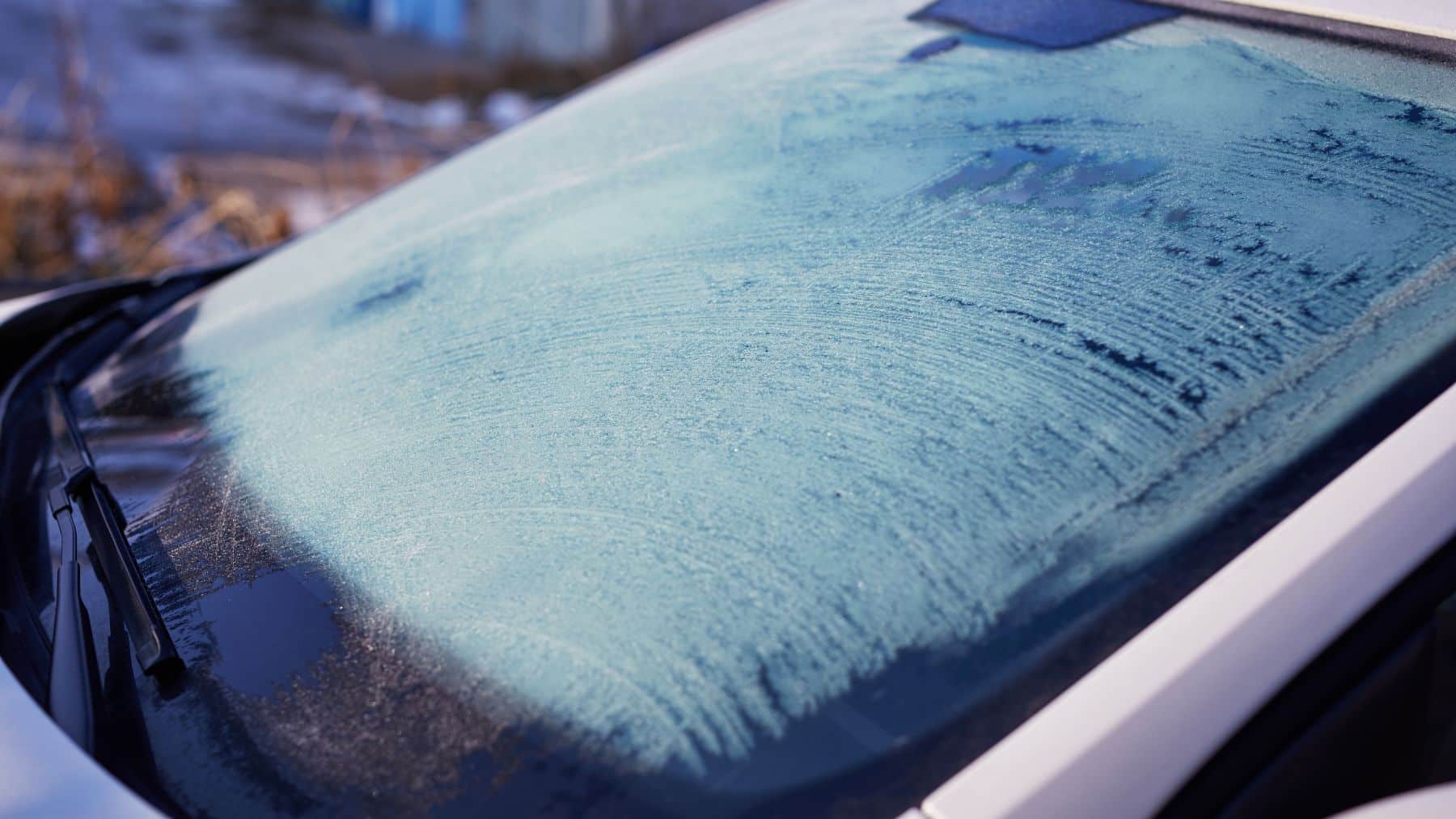
With much of the UK bracing for a severe cold snap — and temperatures expected to fall as low as -12.5°C in some areas — the RAC has issued targeted advice for drivers who park their cars outdoors. The warning focuses on a simple, practical step that can help prevent one of winter’s most common and frustrating problems: windscreen wipers freezing solid overnight. According to the motoring organisation, a basic household item can make a surprising difference when temperatures drop well below zero.
Why the RAC is recommending cardboard during freezing nights
The RAC advises drivers to place a sheet of cardboard between the windscreen and the wiper blades before leaving the car overnight. This creates a protective barrier that prevents the rubber blades from freezing directly onto the glass — something that frequently happens during sub-zero conditions.
By stopping the blades from bonding to the windscreen, the cardboard helps drivers avoid damage and delays the following morning. The advice complements wider winter-driving guidance, including recommendations from National Highways, which stress the importance of preparing vehicles before ice and frost set in.
Avoiding an “Expensive” Mistake
The RAC warns that failing to protect your wipers can lead to more than just a minor delay. If you attempt to turn on your wipers while they are frozen to the glass, you risk:
-
Motor Failure: The strain of trying to move the frozen blades can cause the wiper motor to burn out.
-
Electrical Faults: It is common for a fuse to blow if the motor is overworked. Drivers should remember that maintaining clear visibility is a legal requirement under The Highway Code Rule 229, which mandates that you must be able to see out of every glass panel.
-
Damaged Blades: Tearing the rubber off the glass manually can ruin the blades, leading to poor performance and an MOT failure.
A Final Warning on De-Icing
While the cardboard trick helps prevent the problem, the RAC is also reminding drivers to stay away from the kettle. Never pour boiling water on a frozen windscreen. The sudden temperature shift is a leading cause of cracked glass.
Scientific studies, such as those discussed in engineering research at the University of Oxford, highlight how thermal shock can cause rapid crack propagation in brittle materials like automotive glass.
Instead, use the car’s heater or a dedicated de-icer. If your washer jets are frozen, the RAC suggests using warm (not boiling) water to help thaw the reservoir, or simply waiting for the engine’s natural heat to do the job.