
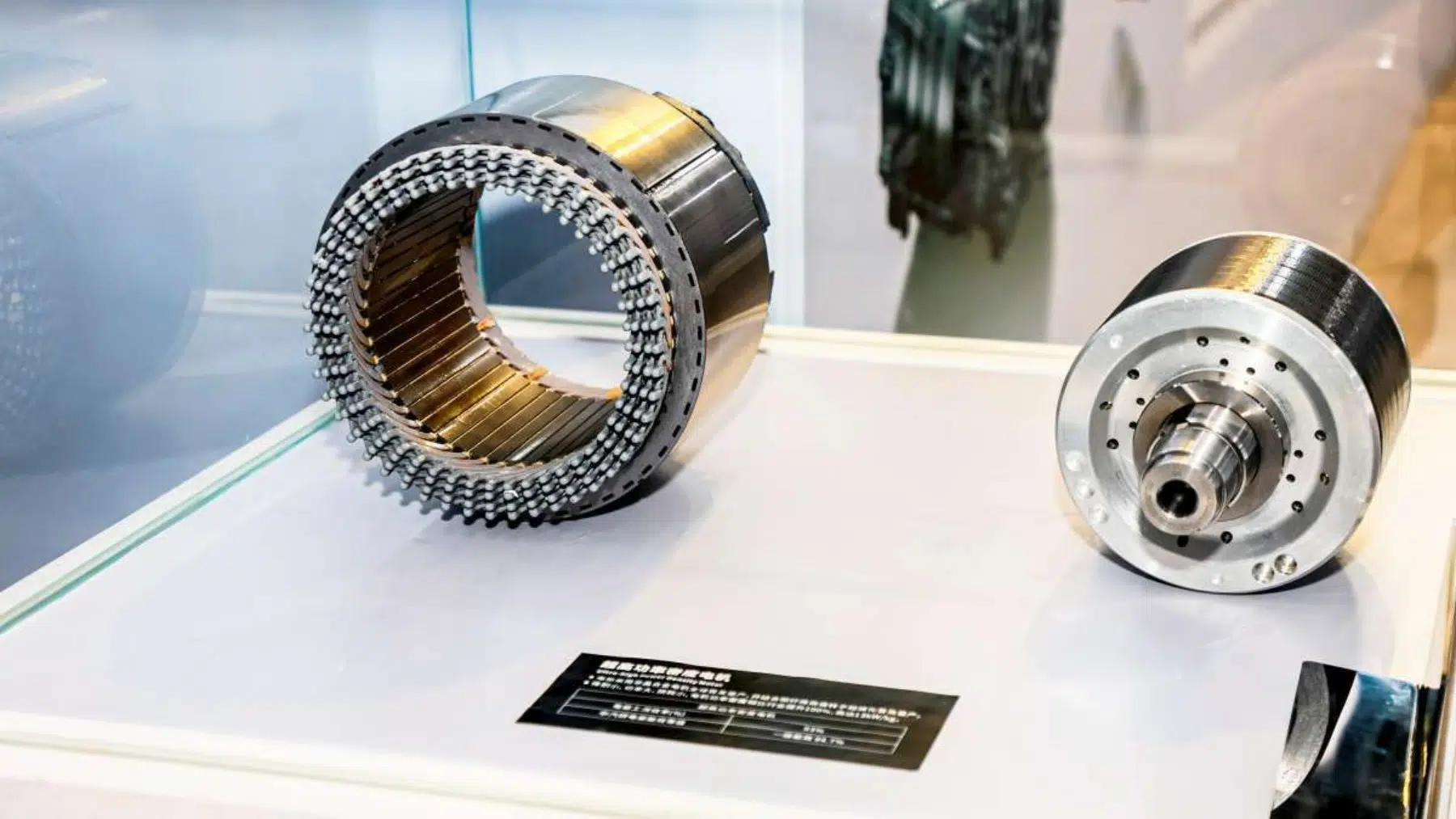
Understanding automobile terms such as ‘combustion engines’ might not be everyone’s cup of tea, but sometimes the meanings are hidden within the names themselves. ‘Combustion’ literally means burning fuel, and the engine is what powers the vehicle. Simply put, then, these engines burn fuel to power a vehicle. However, in a world presently driven by renewable energy, these engines aren’t as popular anymore. This is why China has been up to something that uses significantly cleaner combustion.
This innovative Chinese automaker has been up to something
Guangzhou Automobile Group Co., Ltd, more commonly known as GAC, is an important Chinese automaker and amalgamated company. The automaker made headlines in 2021 after revealing its hydrogen-powered engine, which reportedly had a thermal efficiency of 44%. GAC also showcased its passenger car powered by liquid hydrogen fuel that could give Tesla a run for its money.
Now, the Chinese automaker is shaking things up, but not with hydrogen this time. Instead, they revealed a new 2.0-litre internal combustion engine that uses liquid ammonia. GAC revealed this engine for passenger cars during a showcase event in Guangzhou, and it will blow your mind.
This cleaner combustion engine will blow your mind
Internal combustion engines are more generally used in the shipping industry, and the majority of the world has been shying away from these engines due to high carbon emissions, which is why Elon Musk’s Tesla and many other automakers have been focussing on battery electric vehicles (EVs) or fuel cell vehicles (FCVs). However, GAC wants it all and believes it can be done with its ammonia-driven engine.
According to Qi Hongzhong from GAC, the new 2.0-litre I-4 engine generates nearly 161 horsepower, and compared to traditional fuels such as petrol, it produces 90% less carbon emissions, even though ammonia has a lower energy density than petrol. Implementing these ammonia-burning engines for passenger cars could potentially be a revolutionary step toward eco-friendly solutions for the transport sector. But is this viable in the long run? Others are not so sure.
Some say it might not be worth the risk to get the biscuit
With its impressive results in contributing to the global mission for zero carbon, this new engine might succeed after all, but there are still some risks. How much are you willing to risk to succeed? It seems GAC might be risking a lot with their ammonia-fueled internal combustion engines. Ammonia as an alternative fuel to power passenger cars poses some significant risks.
Disadvantages of using ammonia as a fuel
- Toxicity
- It is highly toxic to humans and animals in its gas and liquid form
- Passenger cars are not capable of handling the administration and transportation of toxic substances, yet
- Not easy to use
- It burns slowly as a liquid
- It has an octane rating of 120 with a breaking point of 270 degrees
- Engines are more easily damaged by the high octane rating
- It has an autoignition temperature of 1,203.8 degrees
- Nitrogen
- In non-optimized engines, ammonia will release high amounts of nitrogen into the atmosphere
- This makes ammonia and ozone in the atmosphere, resulting in acid rain
- Acid rain damages the environment and human health
It seems that GAC still has its work cut out. The company believes it can create an engine with a cylinder pressure that is high enough to stop some of the excess nitrogen from escaping into the atmosphere, but that will take some time. Experts say you have to risk it to get the biscuit, but is adhering to strict zero-carbon missions truly worth the disadvantages, such as toxicity and potential breathing problems? This new alternative fuel technology has promise and risks, but only time will tell which one will outweigh which.
Read the whole thing?
Get the week's signal, not the noise
Our sharpest reporting on energy, climate and nature — free, once a week.


