Daily life and economic activity are extremely reliant on electricity, and without it, life as we know it will face severe disruptions. Mainstream and renewable electricity have their limitations; thankfully, there is a more viable solution. For the first time in human history, evapolectrics has been produced. This major breakthrough could even be the end of photovoltaics.
A viable power solution for the first time in history
Renewable energy technologies have been a preferred power solution for quite some time, especially considering the global zero-carbon mission by 2050. The most common renewable energy sources include solar, wind, biomass, geothermal, and hydro. The latter has been used for thousands of years, but present approaches have limited efficiency as a result of lost energy during the conversion process.
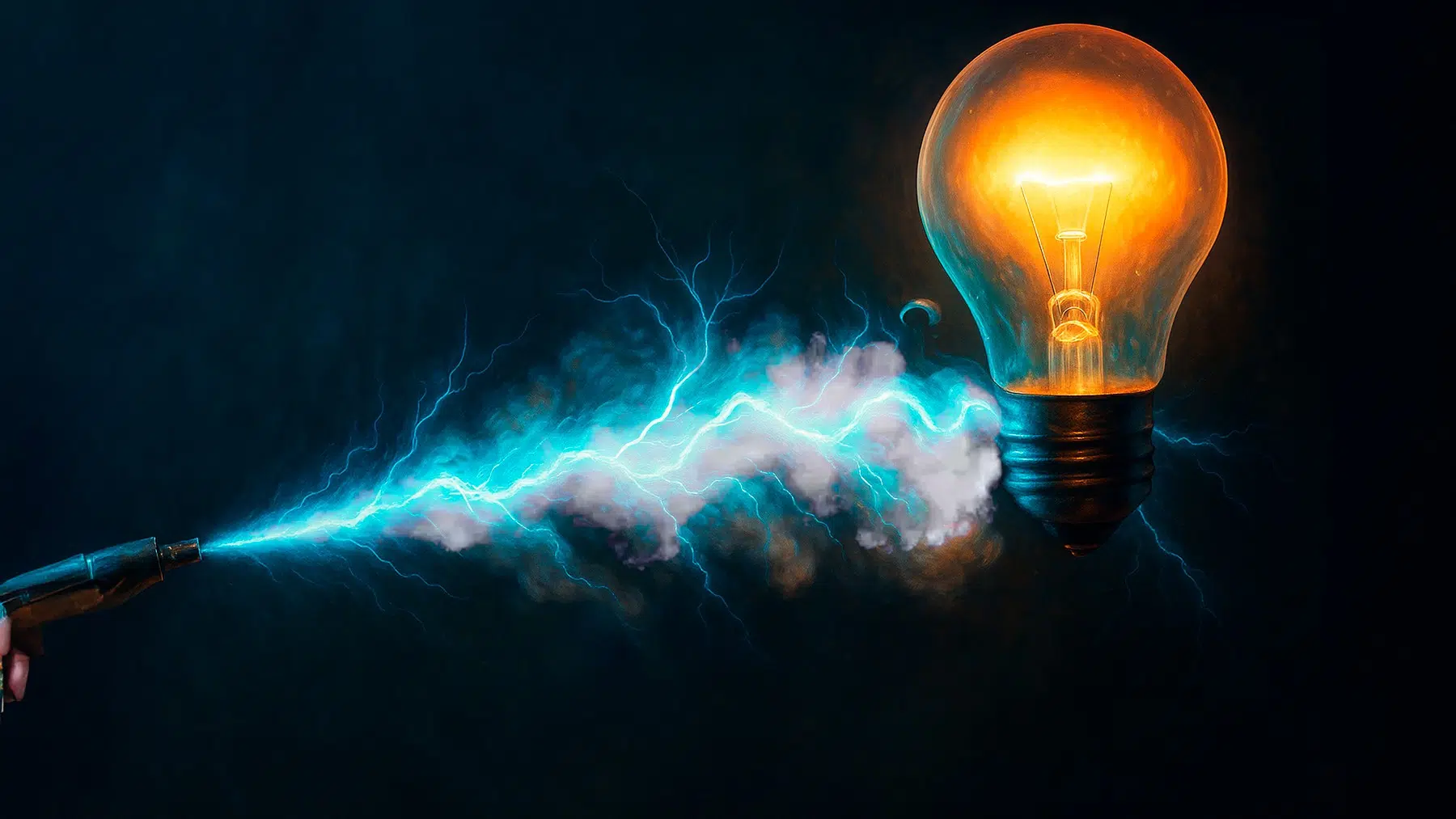
Now, for the first time in human history, we have a more viable approach thanks to some innovative researchers. A new-age electric generator has been engineered to extract power from the air’s water vapor directly, which differentiates it from traditional hydrovoltaic approaches that require mechanical systems. The research described this breakthrough as ‘evapolectrics’ and believes it will be the groundwork for future durable, battery-free devices powered by the atmosphere’s vapor.
“Hydrovoltaics is a way to make electricity from water, specifically by tapping into the energy released when there is humidity change, evaporation, or when water moves around. It is an abundant and plentiful source of energy, with no sunlight or big machinery needed!” – Professor Ady Suwardi of The Chinese University of Hong Kong and one of the lead authors of the study.
The power behind evapolectrics
This viable approach couldn’t be simpler. The evapolectric device utilizes a soft water-retaining hydrogel and a thermoelectric piece. According to the study published in Advanced Functional Materials, the hydrogel is a permeable polyvinyl alcohol gel that gradually retains and releases moisture.
The gel cools down as water evaporates from the hydrogel’s surface, resulting in a minute but stable difference in temperature between the cooler gel and the warmer base layer. A thermoelectric generator is integrated between the gel and the base layer, which transforms the temperature difference into an electric voltage.
“The electricity power the device generated was more than three times higher than traditional hydrovoltaic systems. Furthermore, this was achieved under realistic ambient conditions — 26 degrees Celsius, 40% humidity, and a light breeze comparable to a slow walking speed.” – Jing Cao of the National University of Singapore, who co-authored the study
The sky is the limit for future applications
According to the research team, evapolectric systems can already power basic electronic devices. The team’s experiments indicated that such a system can power a small liquid-crystal display. The total power output was reliant on the thickness of the hydrogel’s layer. The thinner the layers were, the more efficiently temperature differences were transferred to the thermoelectric generator, which ultimately increased the power output. A thicker layer increased water retention, which acted as an insulator and lowered the temperature gradient, as well as the total voltage.
“Our preliminary results hint that improving the thermoelectric generator and hydrogel design could further boost power by three to five times, or even ten times. With good technology transfer, it might take three to five years to go from lab to store shelves.” – Jing Cao
All good things take time, but possible applications include wearable technology:
- Fitness trackers
- Environmental trackers
- Blood pressure monitors
- Glucose monitors
- Smart watches
- Wireless earbuds
The research team will continue to enhance their evapolectric generator, hoping that the system’s efficiency will improve over the years, just like solar panels have. Soon, this innovative design could even be the end of photovoltaics, as it promises to be a more reliable and cleaner power source.
Disclaimer: Our coverage of events affecting companies is purely informative and descriptive. Under no circumstances does it seek to promote an opinion or create a trend, nor can it be taken as investment advice or a recommendation of any kind.
Read the whole thing?
Get the week's signal, not the noise
Our sharpest reporting on energy, climate and nature — free, once a week.