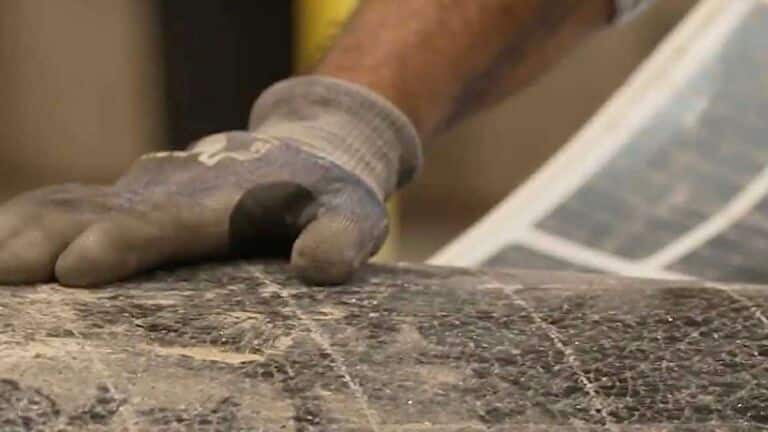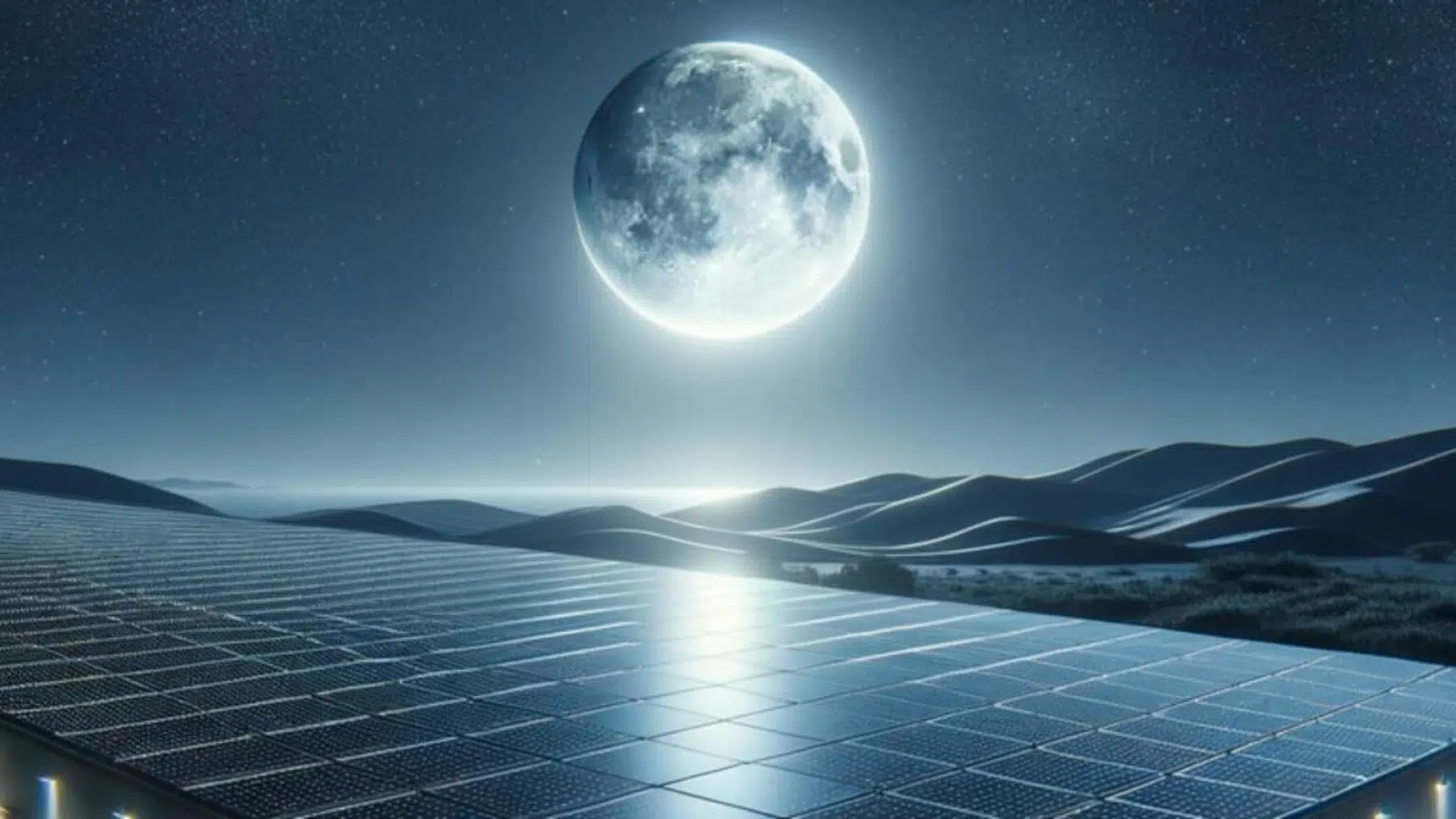
Radiative cooling is a naturally occurring phenomenon: as heat dissipates from a surface on clear evenings, Earth radiates infrared energy toward space. Stanford University researchers have now harnessed this effect to create the first dark solar panel — a thermoelectric device that generates electricity at night using that temperature difference.
The first dark solar panel in history
A Stanford University research team created an electricity production unit capable of working off-grid and during the night when traditional solar panels are ineffective. The team combined a thermoelectric generator with radiative cooling, resulting in a unit that produces a night-time electricity density of 50 milliwatts per square meter. The thermoelectric generator accounts for less than 1% of the unit’s footprint area, which makes this platform economically accessible.
The team’s dark solar panel is currently in the proof-of-concept stage of research. The dark solar panels have various application possibilities, including:
- Off-grid, night-time electricity production
- Energy source for agricultural, environmental, or security sensors
- An energy source for lighting
- An energy source for digital communications
How radiative cooling can power devices at night
Radiative cooling is naturally occurring as heat dissipates from a surface, especially on clear evenings, while Earth radiates infrared energy toward space. The resultant temperature difference is established between objects and their surrounding air and can be utilized to create electricity. The Stanford researchers added thermoelectric generators to altered commercial solar panels to collect the dissipating heat to create small amounts of usable electricity. The modified dark solar panels resulted in 50 milliwatts per square meter at night.
The resulting power is far less than traditional solar panels’ 200 watts per square meter, however, it is still enough for small devices such as LEDs and environmental sensors. The Stanford research team leader, Shanhui Fan, agreed that the power production is quite modest, but said that their unit has significant improvement potential. As they continue to enhance the panels’ design and efficiency, they may be able to meet nighttime energy demands.
On clear evenings, the dark solar panels can reach temperatures several degrees lower than ambient air, thereby producing the conditions for electricity production. This principle is based on ancient refrigeration technologies and indicates how traditional physics can enlighten modern energy solutions.
Dark solar panels have various application benefits
Dark solar panels will do so much more than just create electricity. Approximately 770 million people are without electricity, and these panels will offer essential lighting and power solutions to those in extremely remote locations. Additionally, these panels can be modified into existing solar panels, which is an easy and cost-effective improvement for renewable energy reliability.
The dependence on batteries will decrease, which are usually expensive and polluting due to mineral extraction. The ability to power environmental sensors, IoT devices, and other low-power equipment without batteries also reduces the total carbon footprint of battery production and disposal. Radiative cooling also has various daylight applications, as seen by SkyCool Systems’ zero-energy substitute for air-conditioning. ETH Zurich users adapted the principle towards drawing potable water in drought-stricken areas.
The series of applications indicates the vast sustainability applicability of radiative cooling technologies and the benefits that enhance the reliability of renewable energies from this solar system. Night-time solar panels bridge the gap during night hours or the shaded periods when sunshine is otherwise unavailable. Thanks to this, solar energy could be more easily used in remote areas that have variable cloud cover or cannot enjoy direct sunlight all the time.
Read the whole thing?
Get the week's signal, not the noise
Our sharpest reporting on energy, climate and nature — free, once a week.