When it comes to power, China does not beat around the bush – or the Earth, for that matter. And no, we are not speaking metaphorically this time, as China truly plans to power the planet from the sky. The country will revolutionize the renewable energy sector with its 100 billion kWh floating at 36,000 km above the Earth. See how they plan on making science fiction a reality.
China’s latest solar power venture reaches new heights
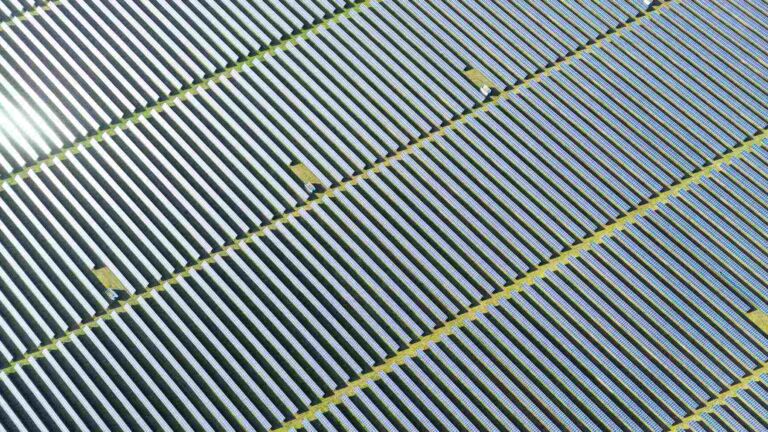
We have a little less than 25 years to go before reaching the “deadline” of the 2050 zero carbon goal. Renewable energy is slowly taking over the world, with fewer and fewer people kicking their heels on the ground. Renewable energy sources include hydro, wind, geothermal, and solar, to name a few. The problem with most sources is that they have their limitations and are affected by things such as weather conditions. In the case of one of the most abundant sources, solar energy, the transition from day to night also implicates its efficiency.
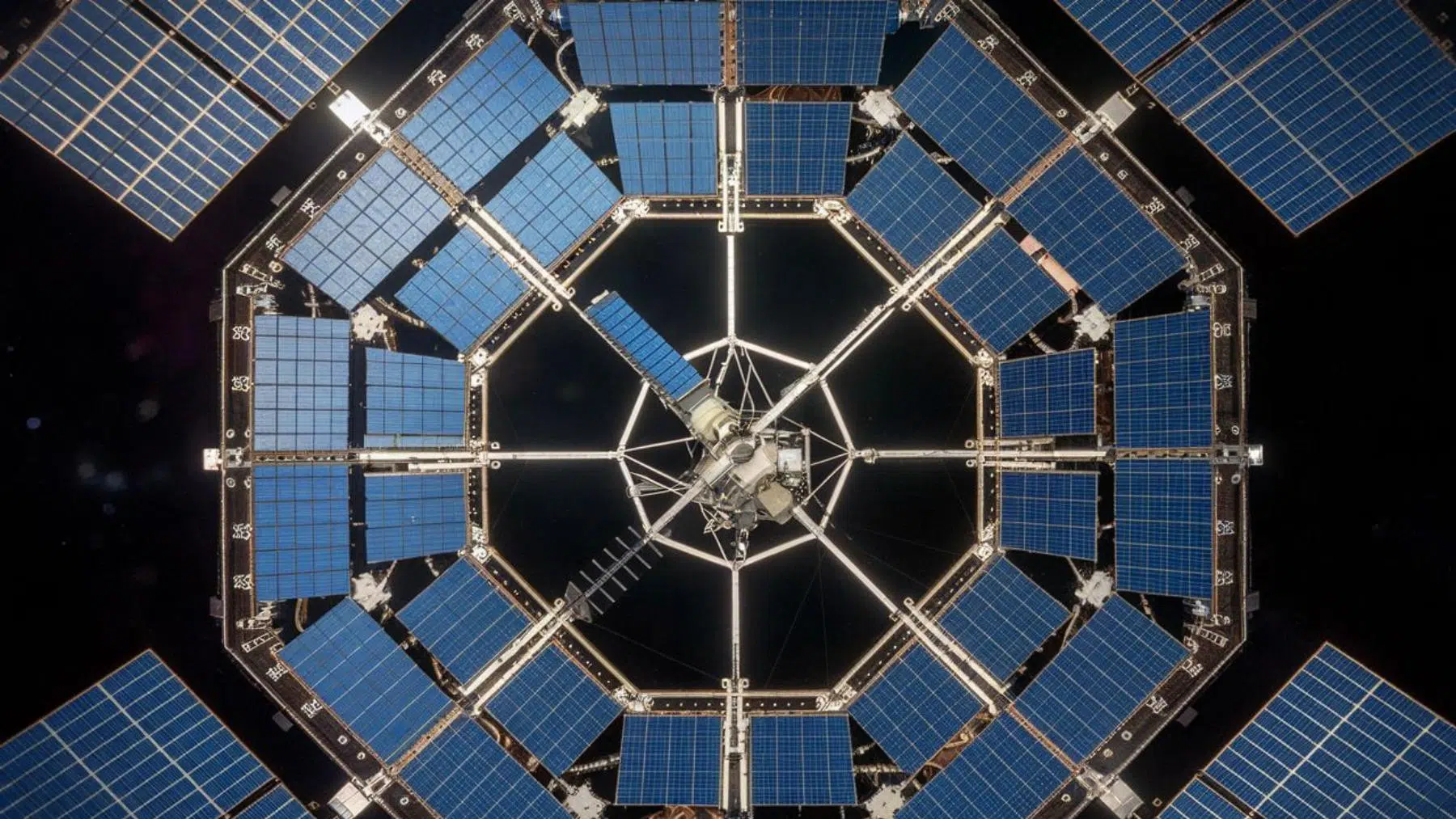
Enter China. The Chinese are known as global leaders in the renewable energy sector, particularly in the solar energy division. The country has addressed the common obstacles with traditional solar panels by turning to space-based solar power. According to Sustainability Magazine, space-based solar power is essentially harnessing solar energy in space by utilizing solar power satellites to transmit the energy to Earth. And yes, China has managed to make science fiction a reality with their latest venture.
China is going to power the planet from the sky
China will be achieving space-based solar power by launching a solar power plant into the sky, nearly 36,000 km above Earth. And this solar plant will be a whopping 1 kilometer in width. The plan is to have it located within Earth’s geostationary orbit, because its orbital time is identical to Earth’s rotation period, and it would thus always be at the same point above Earth’s surface. The question is, how will they get such a massive power plant into orbit?
China initiated construction of the Chongqing Space Solar Power Plant in 2019, as per Global Construction Review. Usually, such a massive construction project would require many launches to convey the components to orbit. Which is why China’s Long March-9 rocket is the answer. This rocket can carry up to 150 metric tons per launch. Long March-9 is also reusable, which significantly decreases the total costs and total missions required.
Now, the Chinese team compares this venture to another great Chinese project, the Three Gorges Dam, which is the largest hydropower project in the world. Now, imagine moving the Three Gorges Dam to space – that’s extraordinary!
“It is as important as moving the Three Gorges Dam to a geostationary orbit 36,000 kilometers above the Earth. It’s an incredible project to look forward to.” – Chinese aerospace engineer Long Lehao
It will do more than supply energy to Earth
Space-based solar power plants will do more than just supply energy to Earth. It trumps traditional solar plants in many ways.
The benefits of space-based solar power plants
- Sunlight is ten times more intense in space, which means the panels will harvest solar energy with up to ten times more efficiency than traditional panels
- Space-based solar panels are not impacted by weather conditions
- Space-based solar panels will not be affected by dust accumulation
- Space-based solar panels are not affected by day-to-night transitions
- Solar energy will produce power 24/7
Of course, nothing on Earth (or in its orbit) is perfect. Space-based solar panels have one technical issue, which is transmitting efficient energy to Earth. During transmission, energy losses occur when microwaves are converted. Obstacle aside, we are pretty sure China will figure out a suitable solution sooner or later, taking their position as global solar energy leaders beyond Earth.
Read the whole thing?
Get the week's signal, not the noise
Our sharpest reporting on energy, climate and nature — free, once a week.