Technology has become a significant part of this generation’s livelihood and has greatly evolved over the years. While some cannot imagine a life without it, there was a time when certain technologies did not exist. An example is solar panels, which have been around for approximately 140 years or so. Now, after testing and trying, a new invention has finally been realized that promises to revolutionize traditional panels. We are finally moving forward into a new, revolutionary era of solar technology.
Solar panels have come a long way since 1883
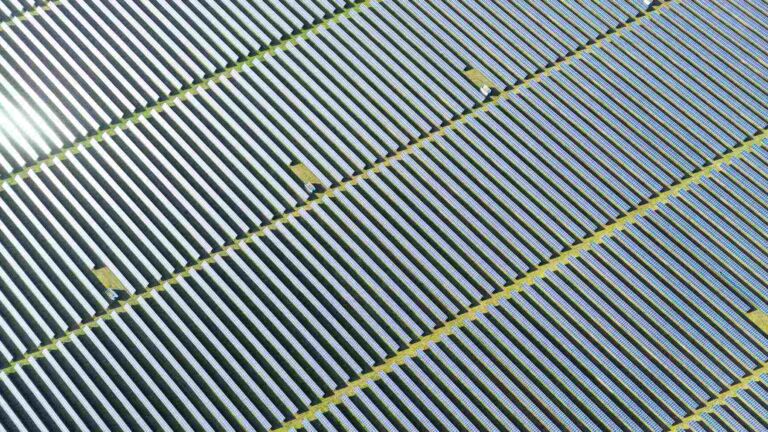
Mankind has been harnessing the sun’s energy for centuries, although it took many, many years before it was harnessed as a renewable source to produce power. According to Solar Reviews, the French were behind the invention of the first photovoltaic cell in 1839, but it was not until 1883 that the first functioning solar panel was created.
The American inventor, Charles Fritts, engineered the first solar panels with photovoltaic cells constructed from selenium wafers. New York City had the world’s first solar panel installation, and as significant as it seems, its efficiency was less impressive. The energy conversion rate was a mere 1%. Since then, solar technology has seen significant improvements, but traditional solar technology still faces many challenges.
According to ELAT Solar, traditional silicon solar panel challenges include, but are not limited to:
- Expensive production costs
- Energy-intensive and complex manufacturing
- Production involves toxic chemicals
- Limited performance and low efficiency
The invention that will revolutionize the solar industry
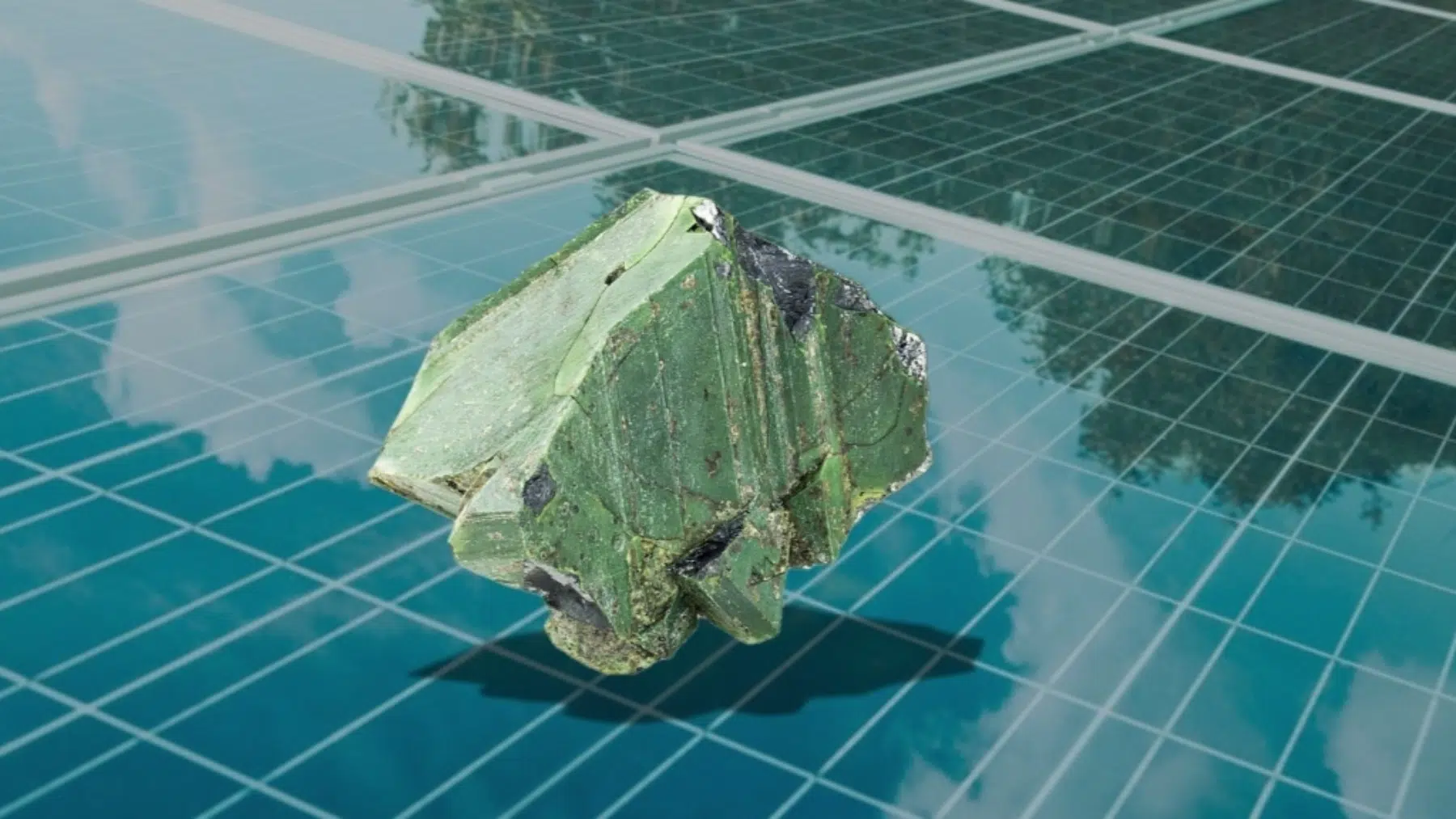
A team comprised of researchers from Shenzhen University in China and the University of Rennes in France created an invention that will revolutionize the solar industry. They turned to kesterite-based materials, such as Cu₂ZnSnS₄ (CZTS), to create solar cells with enhanced efficiency. According to The Cool Down, their research findings were published in Nature Energy.
They chose CZTS cells, as kesterite’s elements are abundant and non-toxic. Unfortunately, these cells have always been inefficient, until now. The team discovered a revolutionary approach to increasing solar cell efficiency. Kesterite-based materials had small imperfections that resulted in energy being trapped and performance thus becoming limited.
How they improved CZTS cell efficiency
According to TechXplore, the research team utilized a new technique called passivation that could help suppress the small imperfections in CZTS and other kesterite-based cells. Passivation is heating the CZTS cells in a highly oxygenated environment, which fills the imperfections with oxygen atoms. After testing, their results indicated lower energy loss and overall improvement in the quality of the material.
The benefits go beyond power efficiency
Passivation was tested on CZTS solar cells, and the efficiency results were impressive, as no additives were utilized to enhance performance. Passivation resulted in a significant certified efficiency of 11.51%. The results were supported by similar testing conducted by researchers from the University of New South Wales. They heated kesterite in a hydrogen-rich environment instead, which resulted in an efficiency of 11.4%.
“The study offers insights into defect passivation and performance improvement mechanism of kesterite solar cells.” – Tong Wu, Shuo Chen, and their colleagues in their paper
Additional benefits of CZTS cells beyond improved efficiency
- More cost-effective
- Greater flexibility
- Non-toxic composition
- Elements are abundant
- Production is more environmentally friendly
This invention just proves how far we have come in the past 140 years. The team will be dedicating its time to further researching and improving kesterite-based solar panels. Soon, these panels will have us saying goodbye to silicon, as the future is now kesterite. This is an exciting step forward into a new era of the next generation of solar power, which will significantly contribute to the global mission of achieving net-zero by 2050, while keeping the lights on, of course.
Read the whole thing?
Get the week's signal, not the noise
Our sharpest reporting on energy, climate and nature — free, once a week.