The world is gradually transitioning to renewable energy sources as alternatives to fossil fuels for power generation. This global transition comes as an attempt to mitigate the destructive effects of climate change. Unfortunately, not all of these renewables are foolproof, except for one potential, yet untapped, source. However, it could all change for the better as microwave drilling has hit a new depth, turning 752ºF rocks into power plants in America. Soon, we could have endless clean energy.
Tapping the Earth’s energy could be a better power source
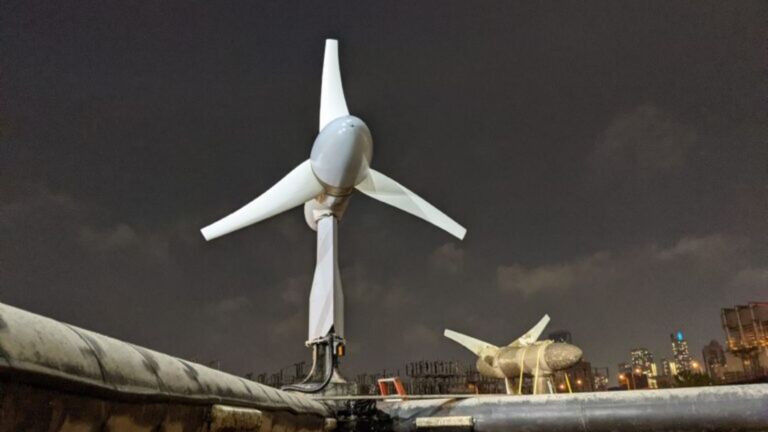
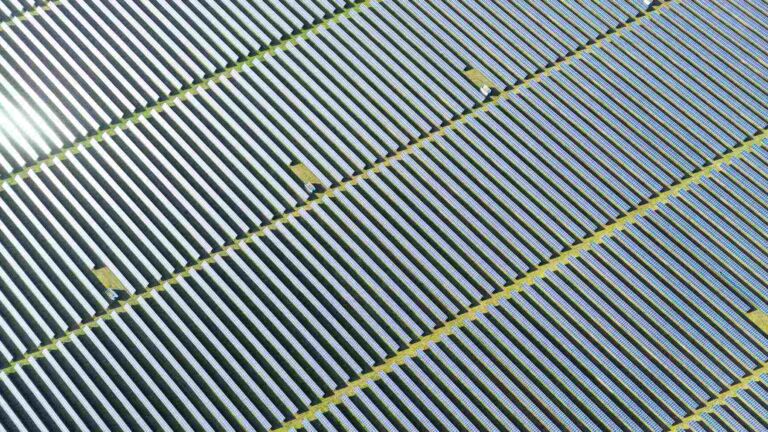
The main challenges that we face with “conventional” renewable sources, such as wind and solar energy, are that they are intermittent sources. Their intermittency results in limited power production and decreased efficiency. They also require vast spaces for installation, impacting the environment as a result. Geographic limitations also result in these sources being less effective in certain regions, as per Earth.org.
According to Montel, there is another untapped renewable source that can address all the above challenges, as it has the potential to supply continuous, weather-independent baseload electricity. A bonus is that its land footprint is significantly smaller than other renewables. This source is hidden within the Earth and ensures long-term sustainability as it is continually replenished.
According to Carlos Araque, the CEO and President of Quaise Energy, tapping the Earth’s energy could be a better power source, because:
“The Earth holds an enormous reservoir of clean energy — energy that could fundamentally change how we power our world if we can reach it.”
Hitting a new depth in microwave drilling
Deep within the Earth, one can find the untapped source of geothermal energy. Quaise believes that access to these deep and hot underground rocks will allow its geothermal plants to produce significantly more energy than traditional geothermal. It will also establish grid-scale projects as powerful as major fossil fuel plants’ outputs.
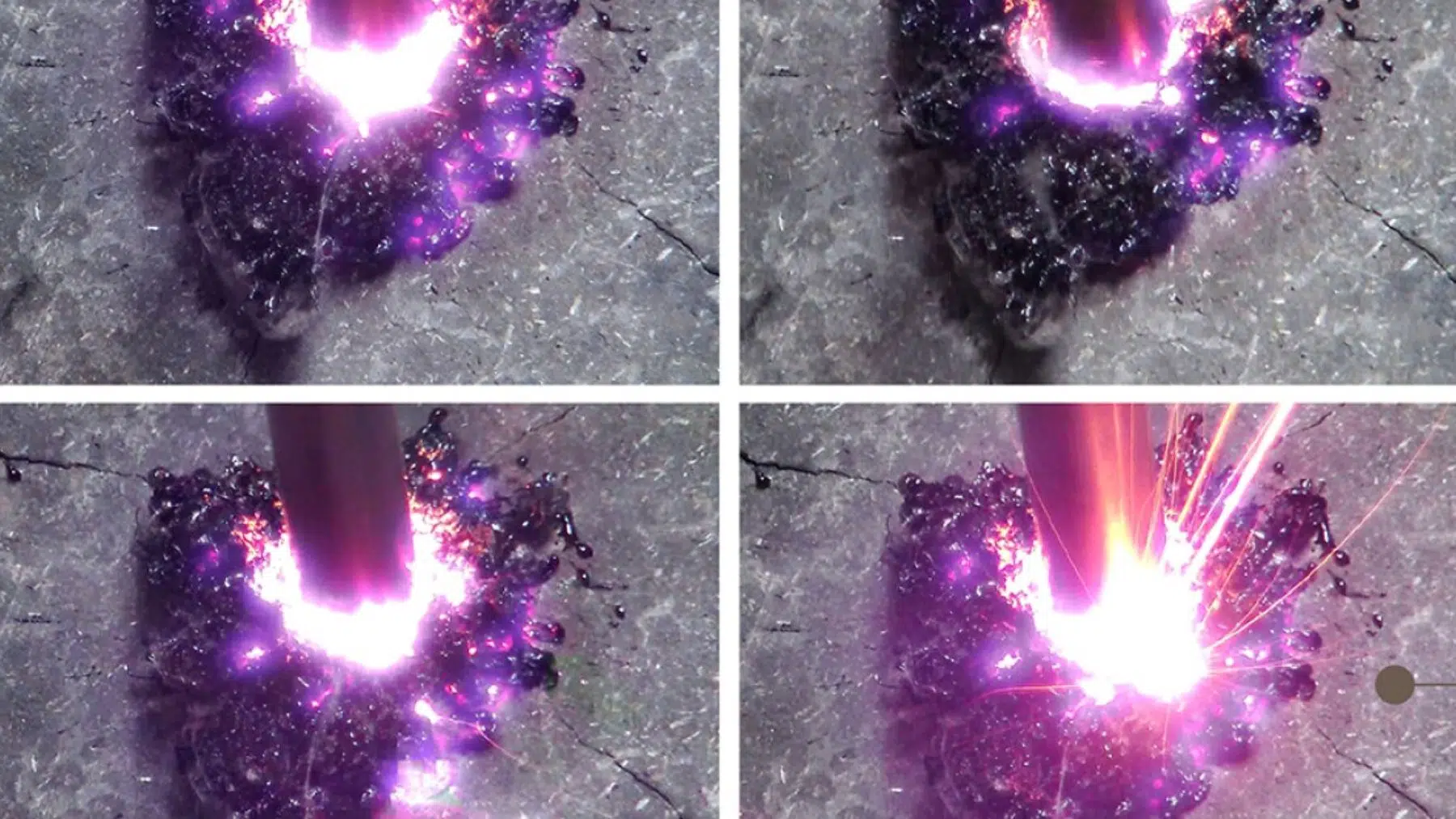
After a decade of research at the Massachusetts Institute of Technology (MIT), Quaise managed to vaporize rock with its millimeter wave drilling system and the powerful gyrotron. This system enabled the company to access Earth’s superhot rocks of 752ºF deep underground.
“Quaise has now demonstrated that millimeter wave technology can do what no other technology can do: drill perfectly clean holes through some of the hardest rocks on Earth in record time. This milestone brings us closer to making geothermal energy a practical solution to power communities virtually anywhere.” – Araque
This is what’s in store for the future of drilling for geothermal energy
Araque was particularly proud about their progress, and had this to say:
“Our progress this year has exceeded all expectations. We’re drilling faster and deeper at this point than anyone believed possible, proving that millimeter wave technology is the only tool capable of reaching the superhot rock needed for next-generation geothermal power. We are opening up a path to a new energy frontier.”
During the field test, they drilled 100 meters into hard rock using millimeter wave technology. Now, superhot geothermal energy could be unlocked worldwide thanks to an upcoming gyrotron that is 10 times more powerful. Western U.S. can expect the completion of a pilot power plant as early as 2028.
While this breakthrough in drilling technology to harness geothermal energy is worthy of celebration, we sincerely hope that continued research and development of the entire process will be prioritized, as drilling for geothermal energy can be harmful for many reasons, including triggering minor earthquakes and potentially releasing underground greenhouse gases and toxic substances. Should the necessary safety measures be thoroughly followed, this untapped energy source could revolutionize the world.
Read the whole thing?
Get the week's signal, not the noise
Our sharpest reporting on energy, climate and nature — free, once a week.