A new Cambridgeshire project was about to get underway. The planning stage was over, and heavy machinery rolled in to start working a 76-acre site.
The intention was to supply thousands of homes with clean energy.
But a routine survey threw a spanner in the works, and the bulldozers were stopped in their tracks.
The land sits empty to this day.
What discovery had the power to scrap a multimillion-pound renewable energy installation?
How a formality ended up changing the future
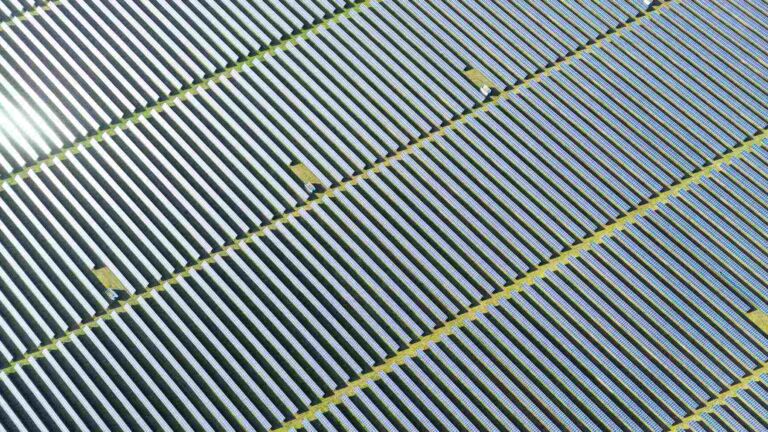
Around 27,000 UK homes were going to benefit from the East Park Energy project. The massive endeavor would see miles of solar panels blanketing the countryside near Great Staughton.
The usual compliance steps had to be completed before the first anchoring infrastructure could be laid.
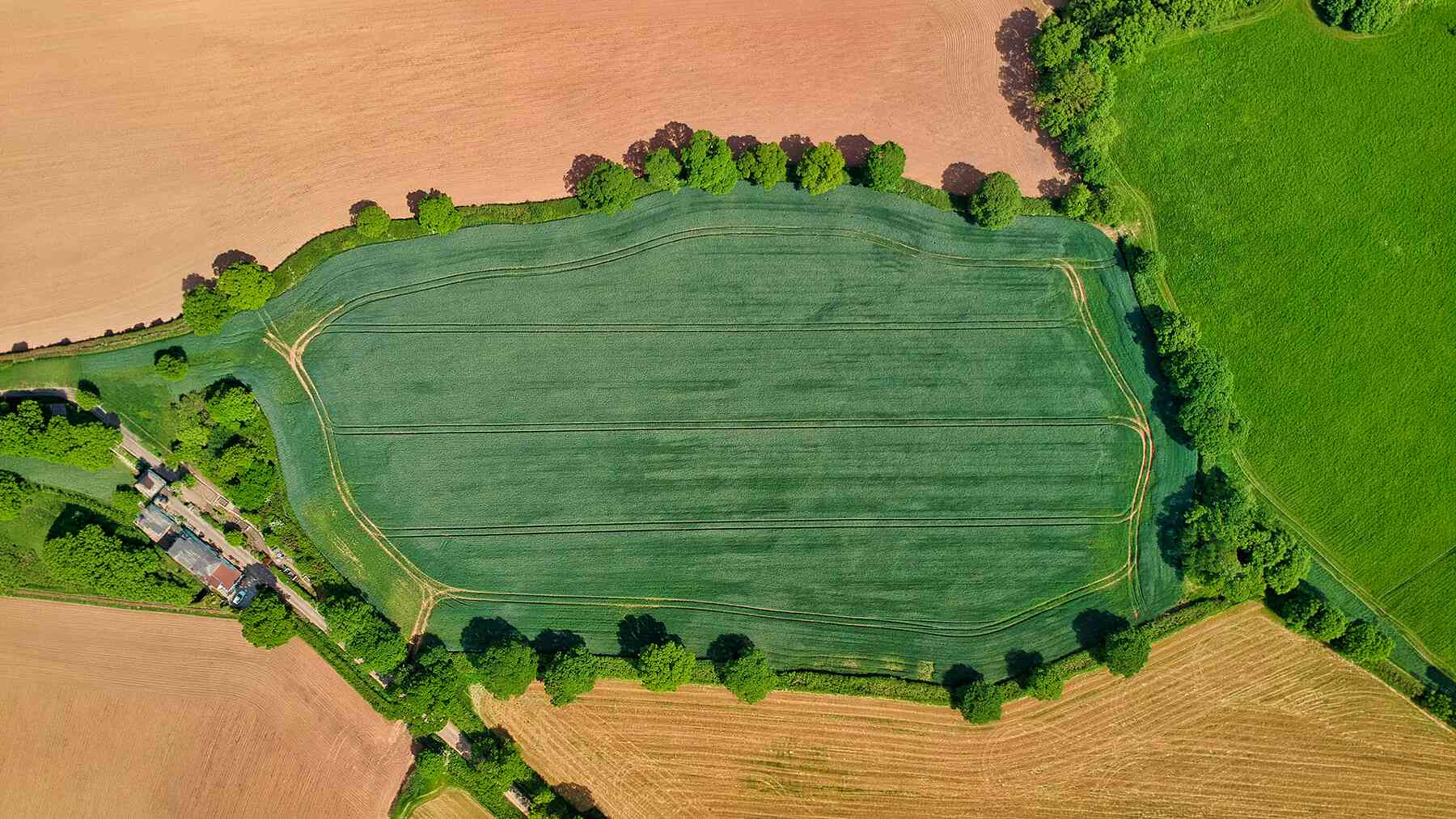
Developers started carrying out geophysical scanning and trial trenching of one 76-acre section.
Perhaps a few parts of modern farm tools would come up in the clay, but workers didn’t expect anything exciting.
But the sensors lit up and revealed something extraordinary. There was a sprawling, intricate network hidden just below the topsoil of the field.
The project developers had to abandon their plans. This tract of land could not be touched by technology, and not a single panel would be installed there.
The future of clean energy had met a roadblock that was invisible at first.
What significant find led to the undoing of these best-laid plans?
Scheduled Monument status was slapped on the land
The public body Historic England got involved immediately. Brockwell Storage and Solar didn’t even have a chance to process the delay.
The government’s Department for Culture, Media, and Sport granted the site official scheduled monument status.
This is a form of legal protection for treasures of national importance, and it can’t be messed with.
The scale of the protection sees the entire 76 acres covered, which is the equivalent of 43 football pitches.
The discovery was far more important than some coins or broken tools. The complexity of the intact system transcended anything that modern technology had to offer.
Brockwell Storage and Solar, the company in control of the project, had to backtrack and make new plans.
Their layout was reworked to include a buffer zone. The point was to make sure that no cables or metal parts would ever disturb this ground.
What kind of ancient blueprint was important enough to derail a multimillion-pound plan?
The Romans were here: An entire town under the dirt
Survey teams found way more than a couple of stray artifacts. The network that showed up on the scans was actually an entire town from Roman times.
The well-preserved remains prove that an ancient community lived near Great Staughton in the mid-first century AD. This is nearly 2,000 years ago.
The scans of the underground layers revealed the ancient footprint lying just inches below where crops used to grow.
A clear network was mapped from the data. There were main roads and clear, smaller side roads. Off the side roads were domestic structures, some open-air, presumably communal courtyards, and industrial zones for work.
A Roman economy thrived in the middle of the British countryside two millennia ago
It wasn’t all roads and buildings. Artifacts dug up indicate that the local economy thrived for around 400 years.
Ultimately, the town was reclaimed by the quiet English countryside. It took a green energy project to bring it to light.
We are reminded in a stunning fashion how our modern times overlap with the past.
There’s no doubt that we’re walking over the remains of forgotten civilizations every day, like what was lying under one Ohio golf course.
How many more will be discovered in our lifetimes as we pursue clean energy solutions?
Read the whole thing?
Get the week's signal, not the noise
Our sharpest reporting on energy, climate and nature — free, once a week.